SK Hynix and SanDisk Unveil HBF Standard in the U.S., Supporting Up to 512GB
en.Wedoany.com Reported - SK Hynix announced on August 4 that it has jointly published the first standard specification for High Bandwidth Flash (HBF), a next-generation storage technology, in collaboration with SanDisk. The specification was released on the opening day of FMS 2026, held in Santa Clara, California, just six months after the two companies formed their alliance.
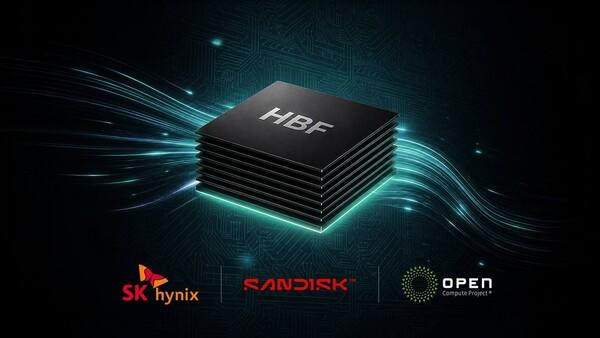
HBF targets a position between High Bandwidth Memory (HBM), which excels in data processing speed, and Solid State Drives (SSD), which offer advantages in large-capacity storage. As AI inference models continue to scale up and data volumes expand rapidly, existing memory architectures struggle to simultaneously deliver both speed and capacity. HBF adopts 8-layer and 16-layer NAND stacking configurations, supporting up to 512GB capacity, and provides bandwidth ranging from 0.4TB/s to 3.0TB/s depending on performance tiers.
To promote technology adoption, the standard also focuses on building an open ecosystem. By leveraging the industry-standard interface UCIe, HBF can flexibly connect to various processors such as GPUs and CPUs, and the relevant specifications have already been published by OCP (Open Compute Project), the world's largest data center collaboration organization. Currently, Google and Tenstorrent have joined the HBF consortium to jointly advance the technology.
At the exhibition, SK Hynix proposed that adapting to the era of "agentic AI" requires building a tiered memory architecture. Department head Kim Chun-sung and director Kang Wook-sung will deliver keynote speeches, arguing that rapidly expanding data volumes cannot be handled by any single storage product, and that integrating and optimizing multiple memory types with diverse characteristics into a unified framework is the cornerstone of next-generation AI infrastructure.
Discussions on collaboration with global tech giants will also continue. On August 6, a panel discussion focused on breaking through the "memory wall" will be held, with representatives from Google DeepMind and SanDisk participating, along with delegates from companies in the memory, storage, and AI software sectors, to explore the structural changes and performance improvements HBF could bring to real-world service environments.
Next-generation NAND technology was also showcased at the booth. SK Hynix publicly demonstrated, for the first time globally, the 10th-generation (V10) 375-layer 4D NAND wafer and products currently under development. This product delivers 2.5 times better performance per watt compared to the previous generation and has been optimized for power-sensitive AI data center environments.
The company plans to begin mass production of high-performance enterprise solid state drives (eSSD) featuring 375-layer NAND early next year.
Kim Chun-sung stated: "The widespread adoption of AI has made a fundamental redesign of data processing architectures necessary. Through HBF, we aim to break down the boundaries between memory and storage, contributing to improved overall system efficiency."
Related Products

TWP16 P-Band Tropospheric Wind Profile Radar
China Huayun Meteorological Technology Group Co., Ltd.
MUX Series Communication Interface Device for Security and Stability Control System
Nanjing NR Electric Co., Ltd.
Mine Explosion-proof and Intrinsically Safe Industrial Ethernet Ring Network (10 Gigabit/Gigabit)
Chongqing Mas Sci&Tech Co., Ltd.
Automatic Aiming Laser Remote Obstacle Removal Robot
Pinggao Group Weihai High-Voltage Apparatus Co., Ltd.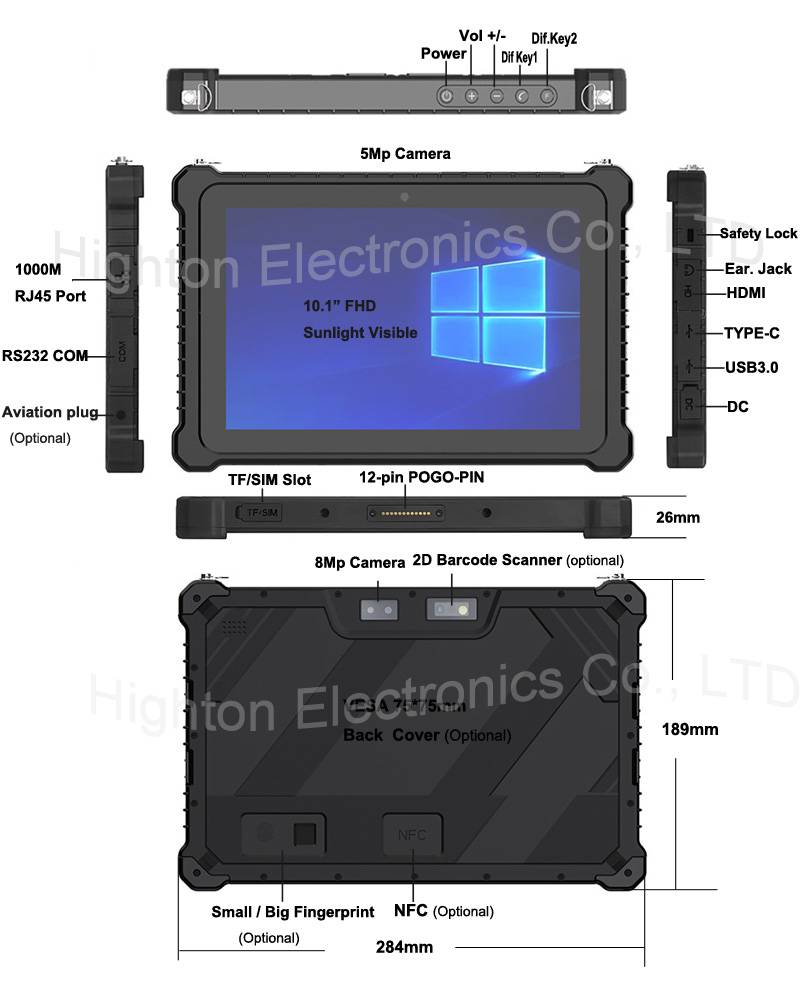
Hot Selling 10 Inch Intel N5100 I5 I7 FHD 8 +128GB 16+256GB Win10 Pro Win11 Pro 4G 5G Rugged Tablet PC Pad with NFC Barcode
Highton Electronics Co., Ltd.

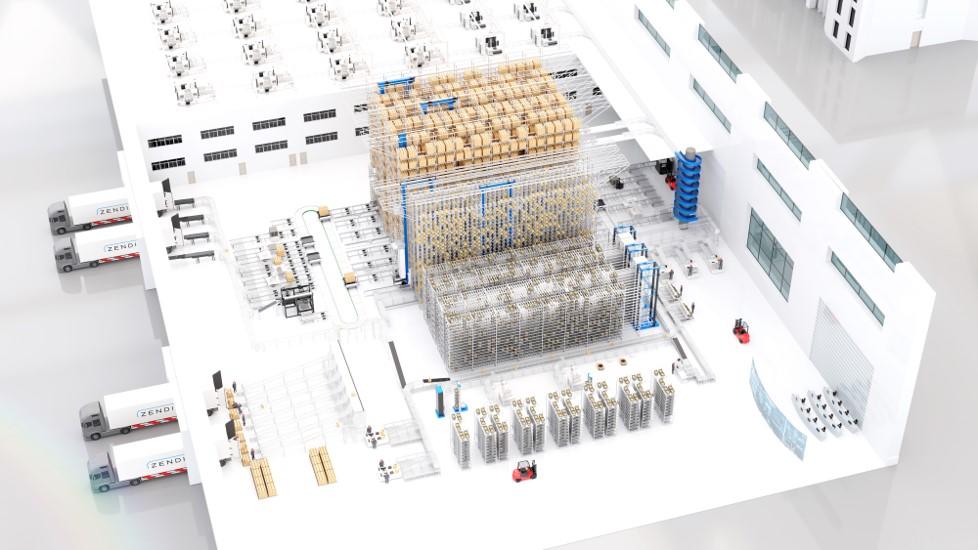
One-Stop Steward Service for the Entire Logistics System Integration Chain
Zhongding Intelligent (Wuxi) Technology Co., Ltd.