Samsung SDI to Begin US 30GWh LFP Cell Production in October
en.Wedoany.com Reported - Samsung SDI plans to begin production of lithium iron phosphate (LFP) battery cells in the United States in the third quarter of this year. The company released its Q2 2026 earnings report on July 30, posting its first quarterly operating profit in seven quarters.
According to the earnings report, Samsung SDI recorded Q2 revenue of KRW 3.77 trillion (approximately USD 2.59 billion), up 18.5% year-on-year and 5.4% quarter-on-quarter; operating profit reached KRW 203.8 billion, with net profit of KRW 471.6 billion, up 740.5% quarter-on-quarter, returning to profitability earlier than the second-half timeline previously guided. The company's last profitable quarter was Q3 2024, before battery revenue declined sharply due to slowing electric vehicle (EV) battery sales and the expiration of US consumer EV tax credits in September 2025. In the quarter, the battery division posted revenue of KRW 3.52 trillion, up 18.8% year-on-year, with operating profit of KRW 159.3 billion, driven by high-power batteries for UPS applications, battery backup units (BBU), power tools, and European EV sales.
The earnings recovery was driven by robust demand from AI data center applications, particularly high-power products for utility-scale battery energy storage systems (BESS), UPS, and BBU systems; improved product mix, higher US Advanced Manufacturing Production Credit (AMPC), and favorable tariff impacts also contributed to profits. In its Q3 2025 report, the company stated it would make energy storage system (ESS) sales the core of its turnaround strategy, focusing on the US market while continuing to leverage EV adoption trends in Europe. Management expects the earnings recovery to continue in the second half of this year, driven primarily by US ESS battery sales and European EV battery sales. The company recently signed a supply contract with Mercedes-Benz and is already a supplier to BMW and Audi.
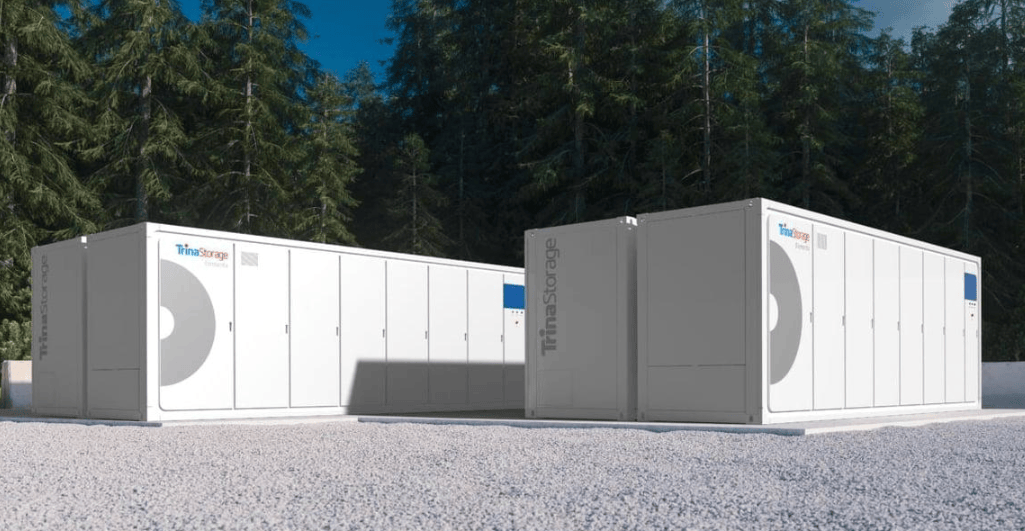
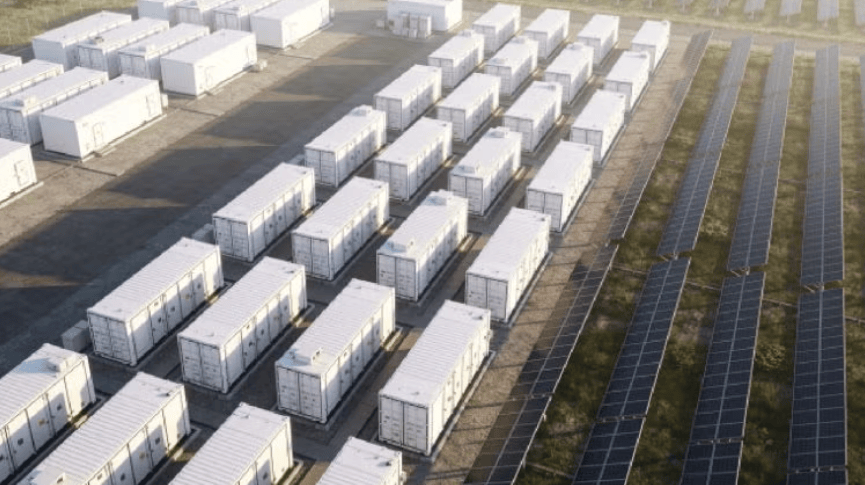
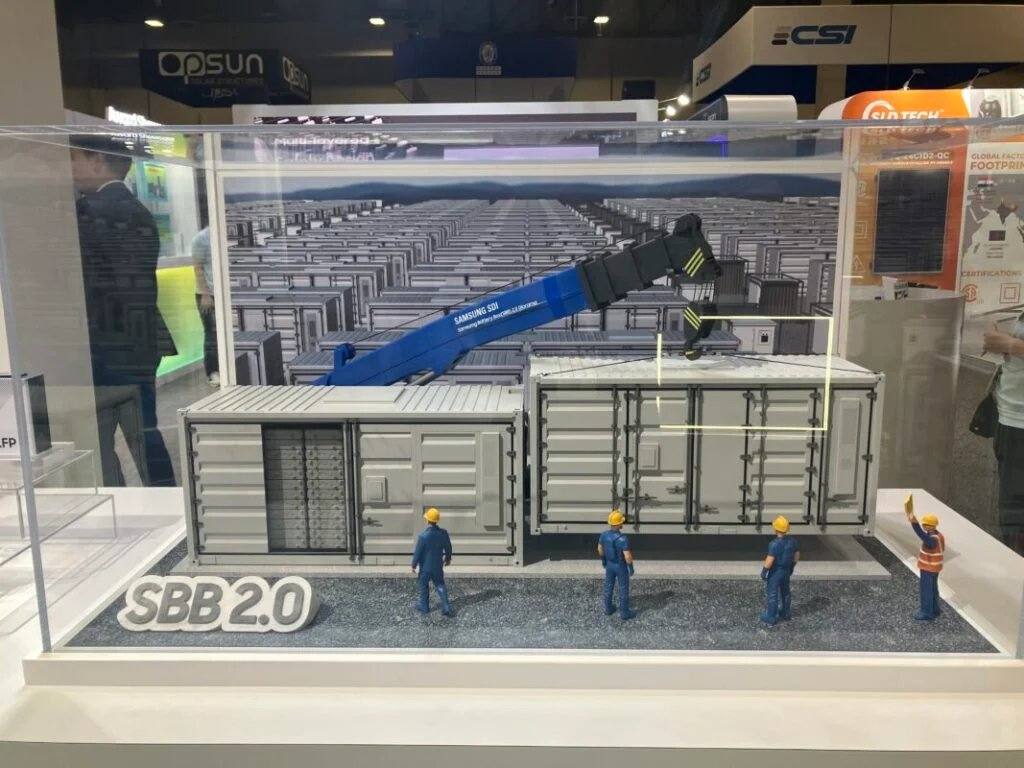
Regarding US production lines, Samsung SDI announced last year that it would begin producing battery cells for stationary energy storage applications on its US production lines, along with two complete BESS solutions. The two solutions debuted at the RE+ trade show in Las Vegas last September, forming the Samsung Battery Box (SBB) series: the SBB 2.0 uses LFP cells in a 20-foot container, while the SBB 1.7 uses nickel cobalt aluminum oxide (NCA) cells. Producing within the United States enables Samsung SDI to qualify for production tax credits (PTC), while customers deploying the systems can receive investment tax credits (ITC), including a 10% domestic content bonus.
Since the passage of the One Big Beautiful Bill Act (OBBBA) last year, projects using Chinese imported cells from foreign entities of concern (FEOC) are no longer eligible for tax credits, prompting Samsung SDI, LG Energy Solution (LG ES), and SK On to convert EV cell production lines to produce BESS cells, and also attracting Ford and General Motors into this market. Samsung SDI proposed last November to open 30GWh of annual BESS cell capacity in the United States by the end of 2026.
During the Q2 earnings call, Samsung SDI Executive Vice President Yonghui Cho stated that the US prismatic LFP cell production line for ESS applications is "currently undergoing mass production quality validation." Cell production will begin in October, with customer deliveries of the SBB 2.0 starting before the end of this year. Establishing the LFP materials supply chain is a key priority in preparing a non-FEOC supply chain; the company has secured the required quantity of LFP cathode materials in advance through partnerships with Korean and US suppliers. Other key components have also been secured through localized partners to establish a supply chain compliant with non-FEOC requirements.
Cho revealed that the BESS division is seeing strong order momentum, with orders secured to date covering a significant portion of capacity through 2029, and demand is expected to exceed capacity starting in 2028. The company is evaluating options to secure additional capacity for US BESS cell manufacturing and will update the market once plans are more concrete.
Samsung SDI also secured project orders awarded in the third central contract market tender by the Korean government. Like LG ES, the company is also advancing development of sodium-ion (Na-ion) batteries for data center and large-scale BESS applications, without providing a commercialization timeline. During the quarter, the company signed long-term supply agreements with US BESS customers, believed to include a KRW 1.5 trillion (USD 1 billion) deal announced in March with an undisclosed customer, covering LFP and NCA cells to be produced at the StarPlus Energy plant in Indiana. The plant is a joint venture between Samsung SDI and automaker Stellantis. LG ES is further ahead of Samsung SDI in establishing US BESS cell production lines and also recently reported a return to profitability.
Regarding the US ESS market outlook, Samsung SDI management stated that demand extends far beyond the AI data center boom. Executive Vice President Yonghui Cho of the ESS business said that even if US data center construction slows, the structural growth trend of the US ESS market will remain unchanged. The rationale is that amid electricity demand growth and improving economic conditions, continued growth in solar PV and wind power is driving steady increases in ESS demand to manage intermittent supply and support grid stability. A growing number of states are setting ESS deployment targets and raising planned installation capacities, and ESS is being used as critical infrastructure to stabilize aging grids and facilitate smoother grid interconnection, so the company expects that a slowdown in AI data center investment will have only limited impact on the ESS business.
Related Products

Hydrogen Production Technology: Hydrogen Purification by Pressure Swing Adsorption
Chengdu Yizhi Technology Co., Ltd.
6kV-35kV Medium and High Voltage Direct-Connected Energy Storage System
Hainan Jinpan Smart Technology Co., Ltd.
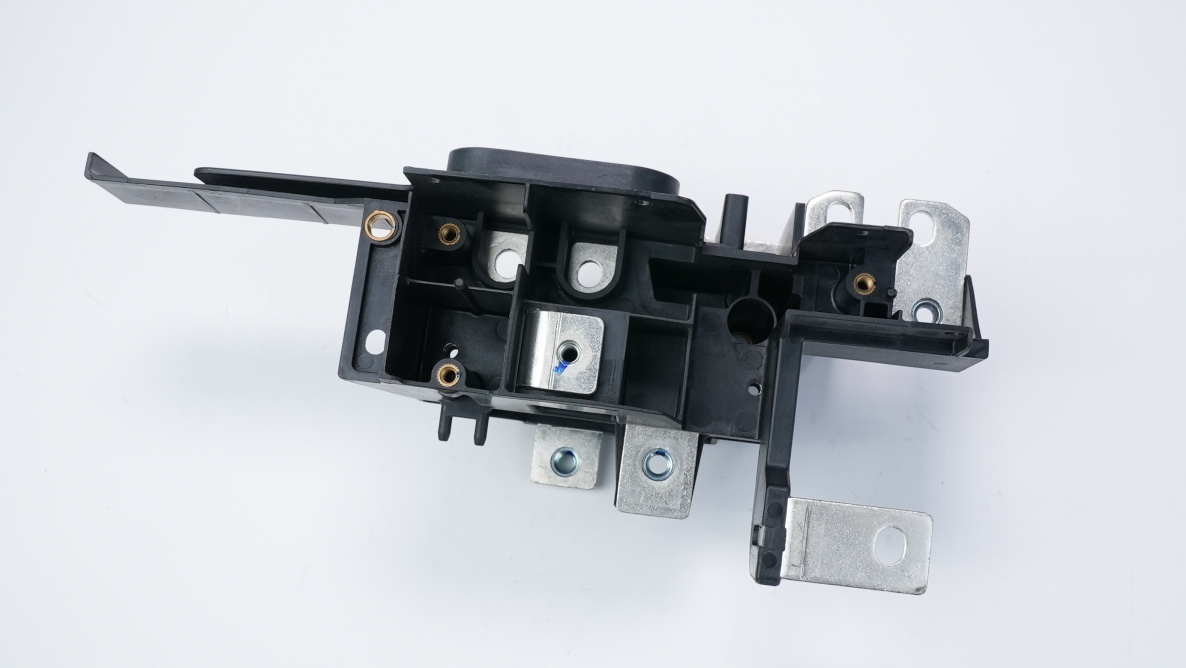
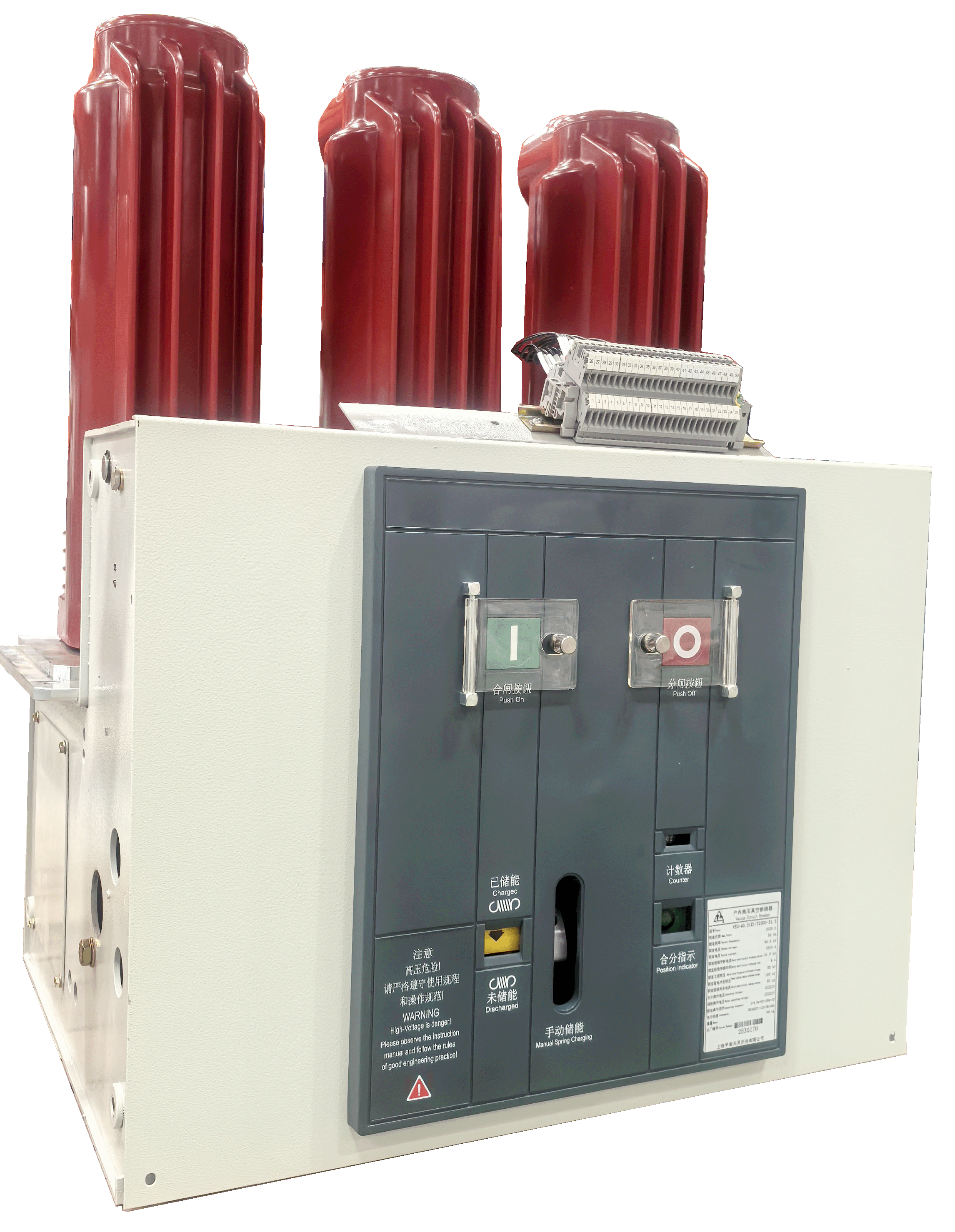
VEG-12/24/40.5 Series Vacuum Circuit Breaker
SHANGHAI PINGGAO TIANLING SWITCHGEAR CO., LTD.
Aero Piston Engine - FF600 Two-Stroke Opposed Two-Cylinder Engine
China Times Prospect Science & Technology Co., Ltd.