Solvay and BASF Join Forces to Reduce Emissions in the Hydrogen-Peroxide Supply Chain
Wedoany.com Report-Jun 6, Solvay S.A. (Brussels, Belgium) and BASF SE (Ludwigshafen, Germany) have announced a joint effort to reduce Scope 3 greenhouse gas emissions within the hydrogen peroxide supply chain. As part of this initiative, Solvay has selected BASF as the primary supplier of aluminum chloride for its Linne Herten plant in the Netherlands. Aluminum chloride is a key raw material in the production of anthraquinone, which is essential for manufacturing hydrogen peroxide.
The transition from Solvay’s previous supplier in India to BASF in Germany is expected to reduce the carbon footprint related to aluminum chloride by more than 50%. This decision represents a strategic move toward lowering emissions across the supply chain and demonstrates how targeted sourcing can contribute to broader environmental goals.
Solvay’s Linne Herten facility plays a significant role in chemical production, including substances used in disinfectants. The site also contributes to the company's sustainability objectives through the use of renewable energy. In 2020, a solar farm was installed at the plant, now providing approximately 40% of its electricity needs and reducing annual CO₂ emissions by about 17%.
This partnership aligns with Solvay’s goal to cut Scope 3 emissions by 20% by 2030 and supports its commitment to more sustainable sourcing. It also underscores BASF’s capabilities in producing lower-carbon materials for industrial applications. Both companies are active members of the “Together for Sustainability” initiative, which encourages responsible practices across the chemical industry’s supply chains.
The collaboration between Solvay and BASF is intended to serve as a model for reducing indirect emissions through strategic partnerships. While the industry recognizes that widespread change requires multiple efforts, this project is a practical example of how companies can work together to achieve measurable environmental improvements.
By integrating lower-carbon materials and renewable energy sources into their operations, Solvay and BASF are contributing to more sustainable chemical manufacturing. The focus on reducing upstream emissions highlights the importance of supplier relationships and innovation in achieving environmental targets.
This initiative not only advances Solvay’s environmental goals but also reinforces the significance of cross-border cooperation in lowering emissions. It demonstrates how sustainability can be embedded into production processes and how informed sourcing decisions can have a meaningful impact on global emissions reduction efforts.
Related Products

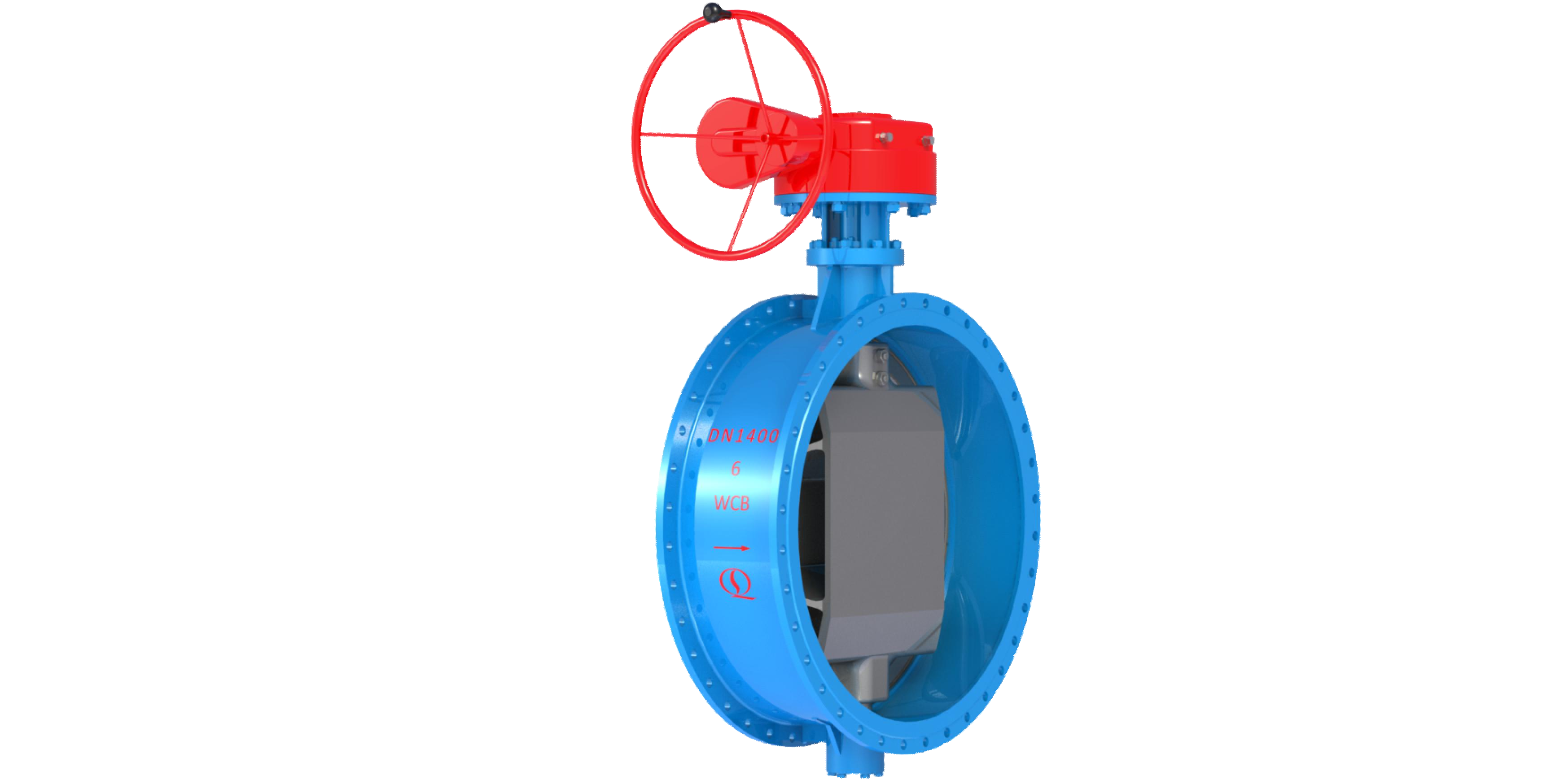
Bidirectional Metal Hard Sealed Seawater Butterfly Valve
Henan Quanshun Flow Control Science & Technology Co., Ltd.
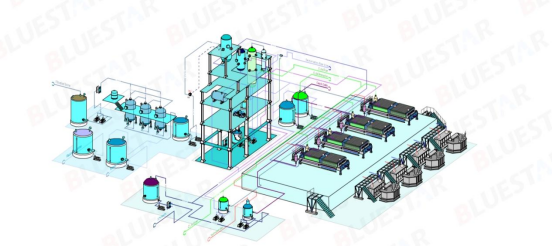
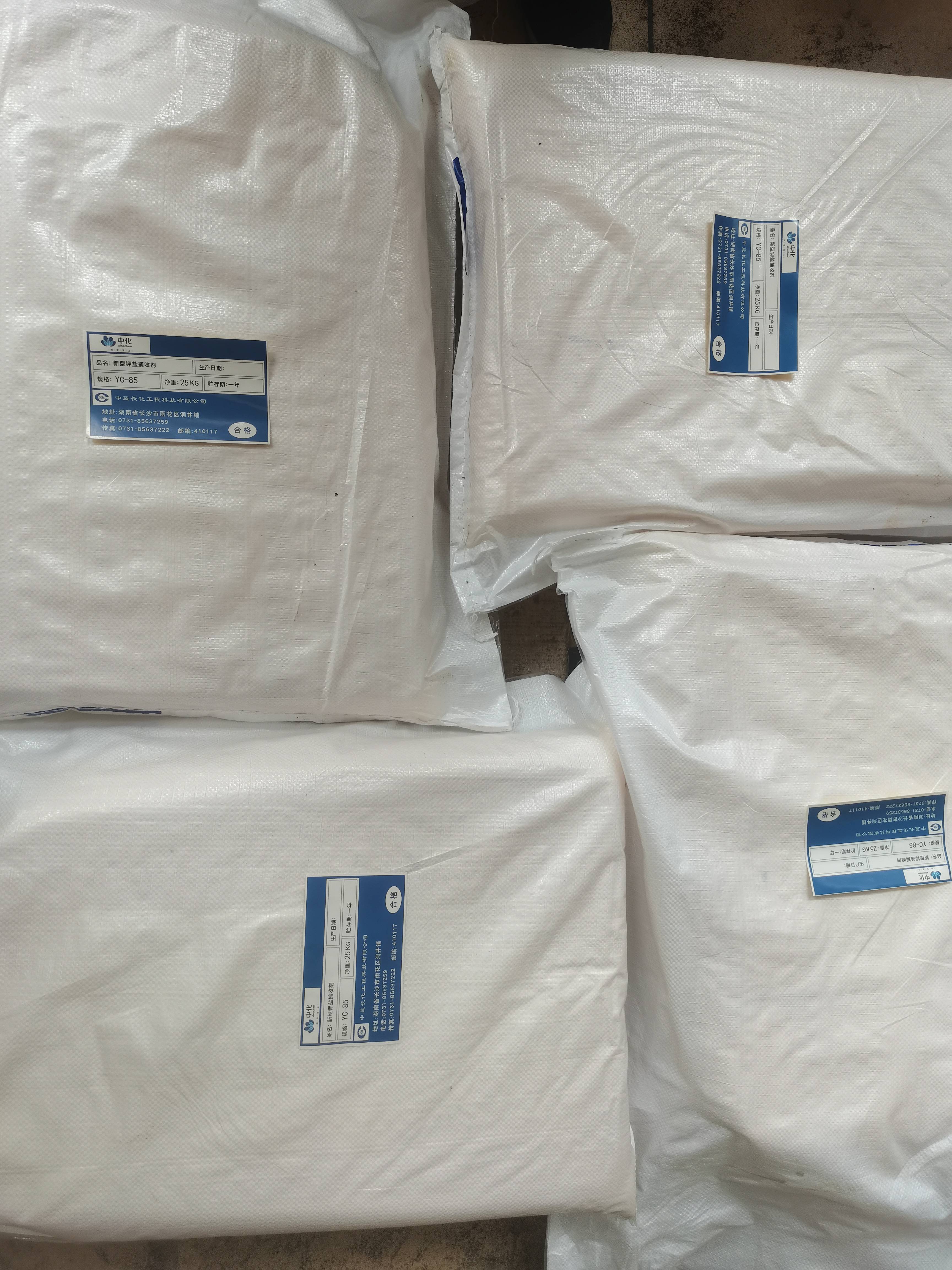
New Environmentally Friendly Green Potassium Salt Collector
Chonfar Engineering and Technology Co., Ltd.
High Thermal Conductivity Encapsulating Resin
Nantong BESALL Sealing Technology Company.,Limited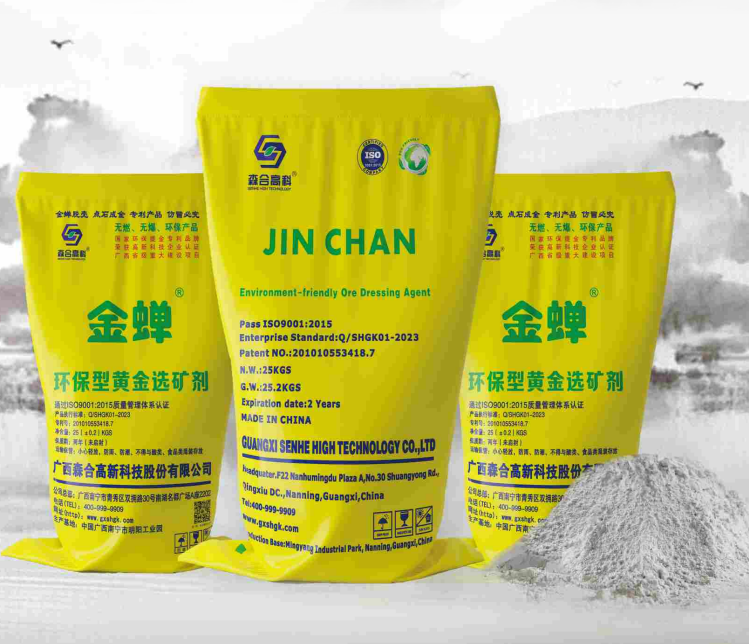
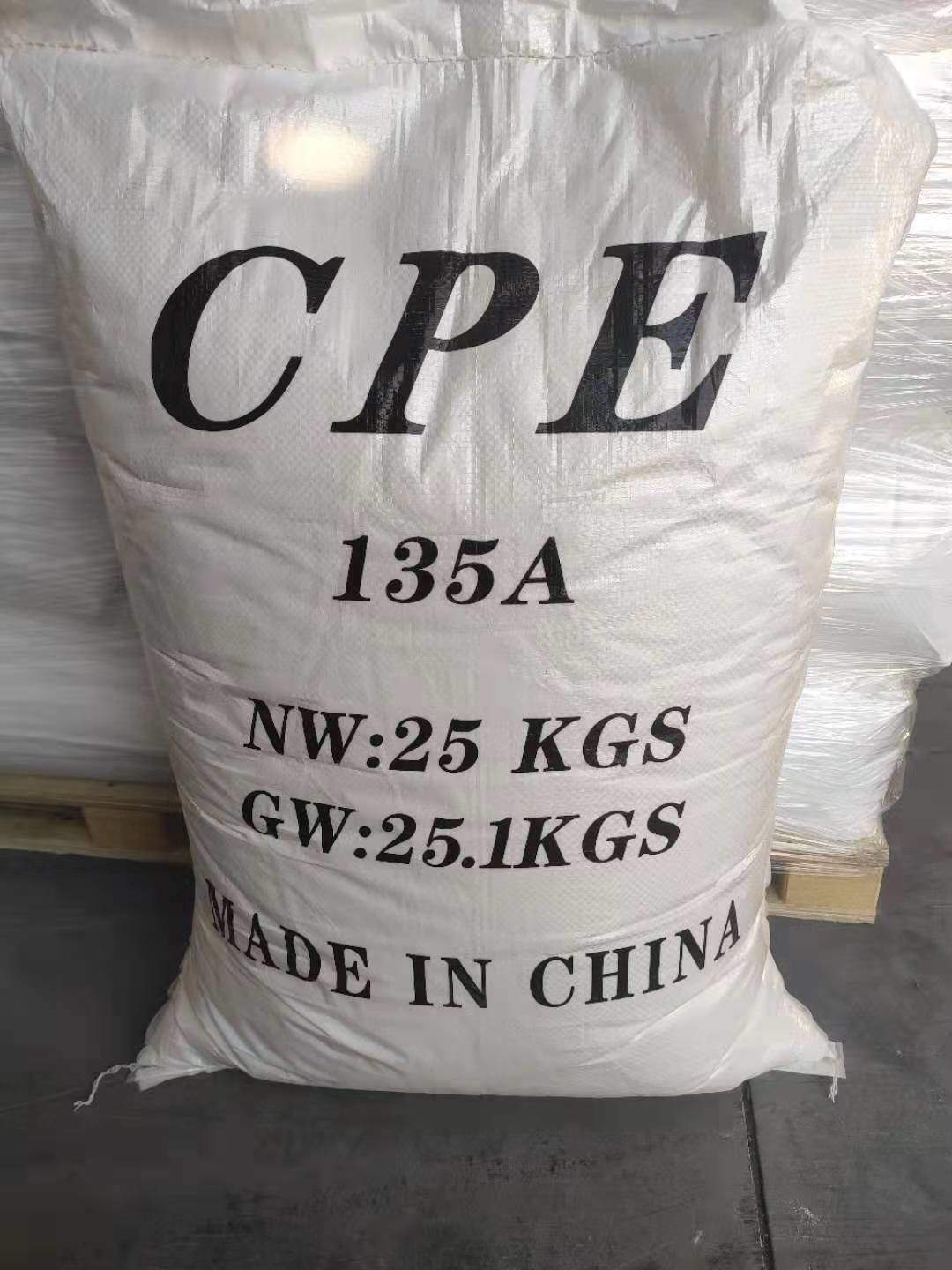
PVC Impact-Modified Chlorinated Polyethylene
Gansu Jinchuan Hengxin Polymer Technology Co., Ltd.
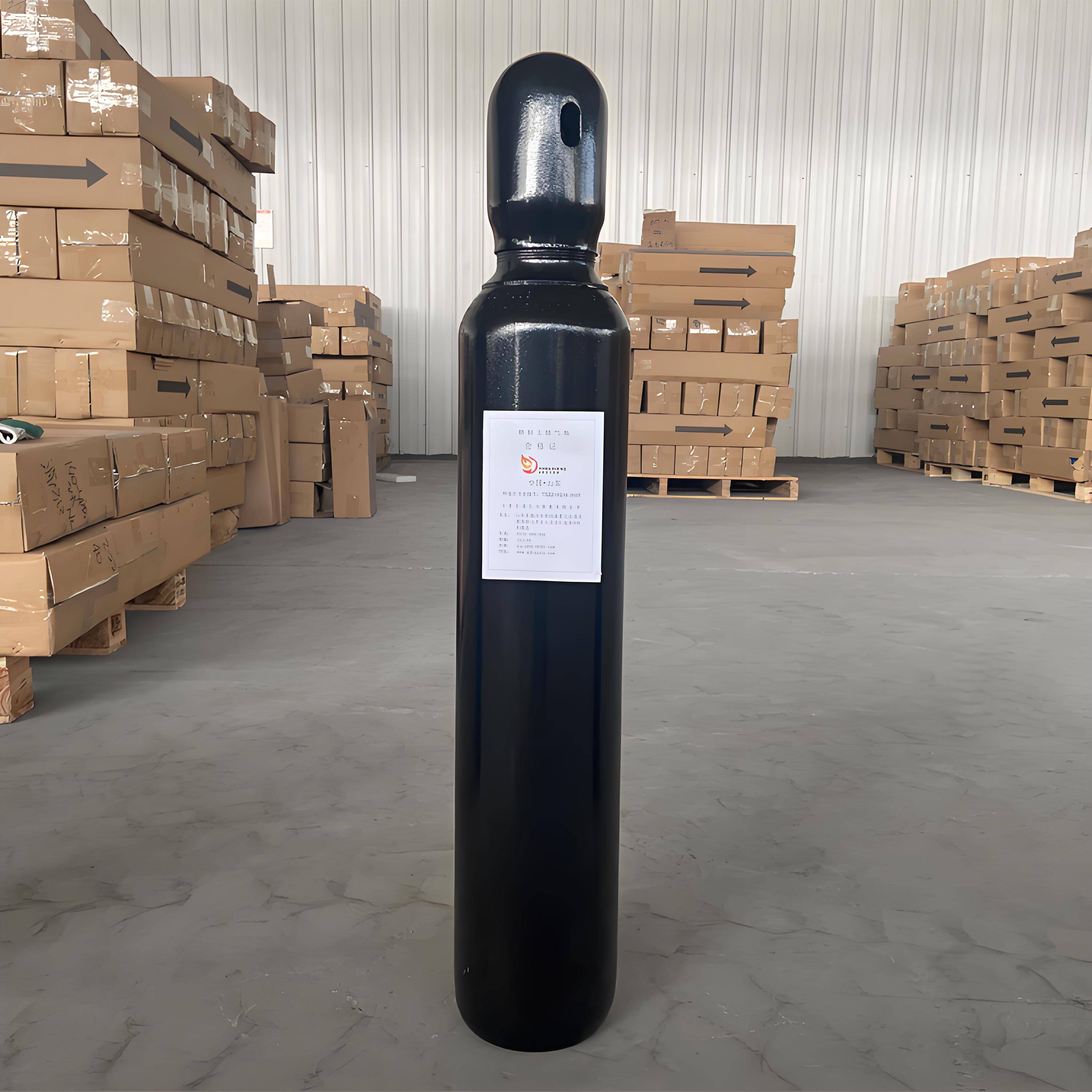
Nitrogen Export, Nitrogen Manufacturer, High-purity Nitrogen Supplier
Foshan Yuexin Industrial Gas Co., Ltd.
CAP1400 main feedwater flow nozzle flowmeter.
Jiangsu Hongda Instrument Technology Co., LTD.