Oshkosh Introduces Fluorine-Free (F3) Foam Conversion Process for ARFF Vehicles
en.Wedoany.com Reported - Oshkosh Airport Products has introduced an operational process covering system cleaning, proportioning adjustments, and foam testing and verification to support airport rescue and firefighting (ARFF) fleets transitioning from aqueous film-forming foam (AFFF) to fluorine-free (F3) foam, helping airport fire departments update existing equipment and adapt to the new foam system.
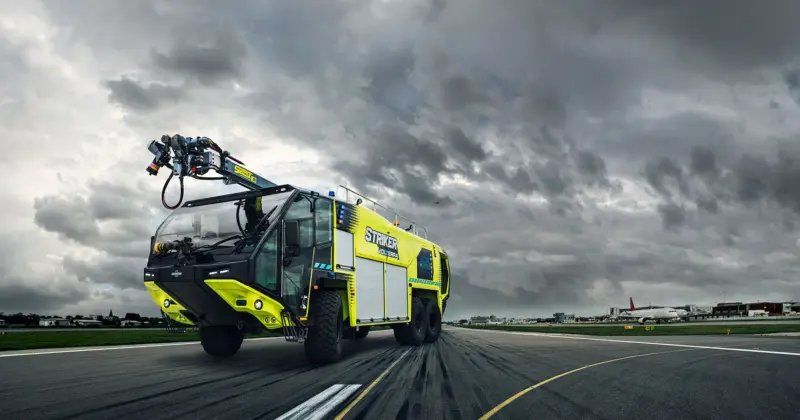
AFFF has been the industry standard for suppressing fuel-related fires in ARFF operations for decades, but its per- and polyfluoroalkyl substances (PFAS) are considered "forever chemicals" that pose environmental and health risks, leading regulators and airports to phase them out. F3 foams have different physical properties than traditional AFFF, particularly higher viscosity, which alters how the foam flows through the system and its proportioning state when discharged. Therefore, transitioning from AFFF to F3 is not simply a matter of draining one agent and refilling with another.
Oshkosh previously collaborated with the Federal Aviation Administration (FAA) to study F3 foam conversion requirements and has completed conversions at Chicago O'Hare Airport, Portland International Airport, and Cincinnati/Northern Kentucky International Airport, and has conducted foam testing with Dallas Fort Worth Airport (DFW) and Solberg Airport. The company's dealer network and technical support team can assist at various stages of the conversion process.
The first step in the conversion process is removing PFAS residue from the foam system. Simply draining the AFFF system is not sufficient—PFAS can adhere to the interior surfaces of tanks, hoses, piping, and proportioning components, and residue may remain after draining and contaminate the new foam, requiring thorough cleaning. Oshkosh recommends that airport departments contact their local environmental agencies to determine the appropriate cleaning path for their airport.
The second step is adjusting the system for F3 foam. Because F3 foam is typically more viscous than AFFF, its flow characteristics change, and the vehicle must maintain the correct foam-to-water ratio, which may require modifications to the proportioning system. The type of foam proportioning system used on the vehicle plays a critical role in this process. Due to the many variables in foam manufacturing and vehicle configurations, Oshkosh cannot determine the correct orifice size directly before conversion; testing must be completed first, followed by adjustment recommendations based on initial test results.
For vehicles equipped with the Oshkosh® ECO EFP™ electronic proportioning system, the system monitors and adjusts foam flow in real time through electronic controls, accommodating the higher viscosity of F3 foam and maintaining accurate foam concentration without mechanical modifications. The third step is foam testing and verification: the vehicle must measure system performance and confirm correct foam proportioning at each discharge point, which can be performed in accordance with FAA guidelines. Since traditional test methods were designed for AFFF, which has a viscosity close to water, while F3 foam is thicker, test procedures need to be adjusted accordingly—for example, allowing longer discharge times before collecting discharge test samples.
For departments seeking to streamline the conversion process, Oshkosh Airport Products offers the ECO EFP retrofit kit as an aftermarket upgrade option compatible with ARFF vehicles. Unlike traditional fixed-orifice systems, this kit uses electronic controls to regulate foam flow and is available for select Striker® ARFF vehicles, including models equipped with poppet valves or existing EFP systems. The Oshkosh technical support team reviews vehicle specifications prior to installation to confirm compatibility.
Oshkosh states that whether handling a single ARFF vehicle or an entire ARFF fleet, its technical support team and dealer network can leverage their expertise to help streamline the conversion process and reduce downtime, assisting departments in transitioning their ARFF vehicles to F3 foam. Interested airport departments can contact their local dealer for conversion support or begin designing new ARFF vehicles.
Oshkosh Airport Products is a division of Pierce Manufacturing Inc., which is part of Oshkosh Corporation (NYSE: OSK). The company designs and manufactures airport firefighting vehicles, with its flagship Striker® ARFF vehicle sold worldwide for its durability and superior performance. More information is available at www.oshkoshairport.com.
Related Products

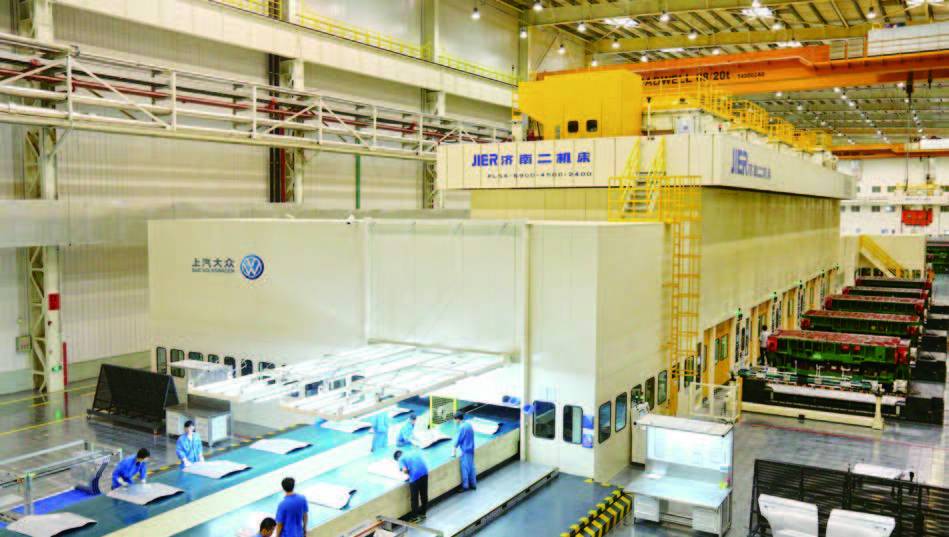
High-Speed Flexible Fully Automatic Stamping Production Line
JIER Machine-Tool Group Co., Ltd.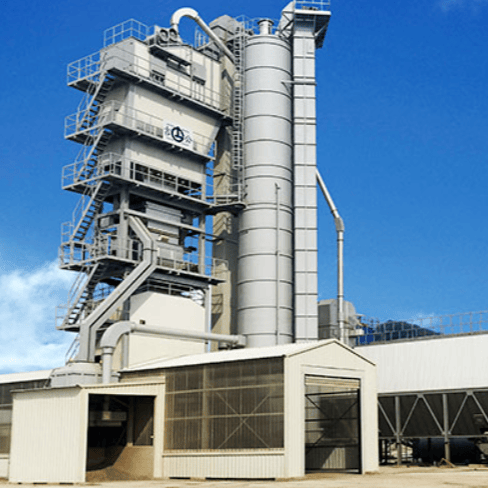
LBH4000 Batch Environmental Protection Asphalt Mixing Plant | Asphalt Batching Plant | Asphalt Mixing Plant
Jilin Province Road Construction Machinery Co., Ltd.
CAP1400 main feedwater flow nozzle flowmeter.
Jiangsu Hongda Instrument Technology Co., LTD.
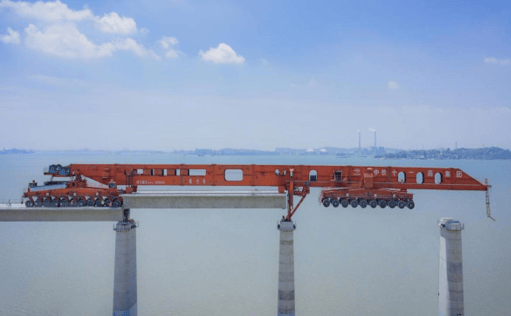
High-Speed Railway Lifting, Transporting, and Erecting Equipment: Integrated Transport and Erection Machine
Hanjiang Heavy Industry Co., Ltd. of China Railway 11th Bureau Group
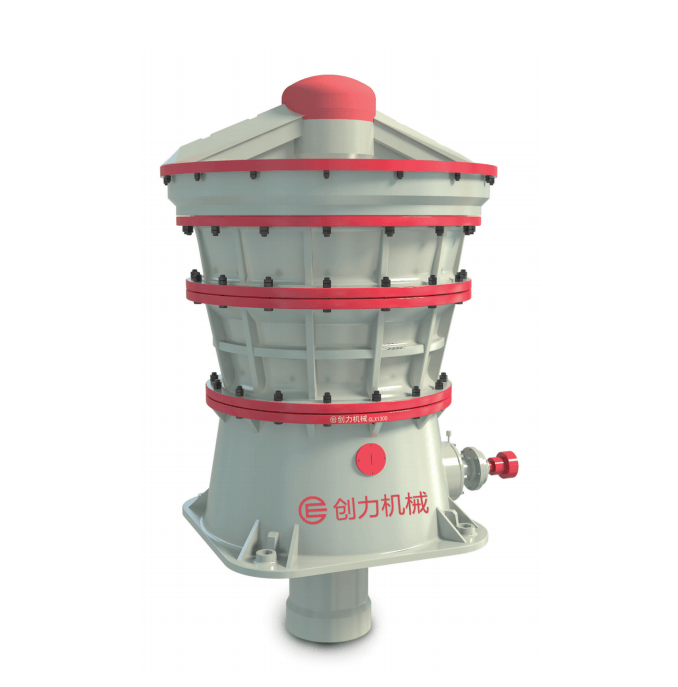
CLX Series Intelligent Hydraulic Gyratory Crusher
Guangdong CHUANGLI intelligent machinery Equipment Co., LTD