Beijing NEV Production Exceeds Full-Year 2024 Level in First 7 Months
Wedoany.com Report-Aug. 20, Beijing’s new energy vehicle (NEV) production reached over 310,000 units in the first seven months of 2025, surpassing the city’s total output for the previous year, according to the Beijing Municipal Bureau of Economy and Information Technology. In July alone, production hit 52,000 NEVs, reflecting a 140% year-on-year increase.
The surge is driven by advanced manufacturing at facilities like Xiaomi’s auto super factory in the Beijing Economic-Technological Development Area, where continuous operations and robotic automation enhance productivity. “Surging orders of popular models such as Xiaomi’s SU7 and YU7 led companies to optimize production through smart tech upgrades,” an official from the bureau stated, noting improvements in equipment utilization and efficiency to meet delivery demands.
Beijing’s industrial growth is bolstered by sectors like NEVs, electronics, intelligent equipment, new energy storage, and aerospace. The electronics manufacturing sector grew 24.2% year-on-year from January to July, contributing 3.5 percentage points to the city’s overall industrial expansion. The intelligent equipment sector also saw an 8.6% increase, driven by significant rises in lithium-ion battery and wind turbine production.
The robust performance of Beijing’s NEV sector underscores its role in advancing sustainable transportation. “Smart technology integrations have allowed us to scale production efficiently,” a bureau representative said, highlighting the city’s focus on innovation to meet growing market demand. These advancements support Beijing’s broader economic objectives, fostering job creation and technological leadership.
The city’s emphasis on high-tech manufacturing strengthens its position as a hub for clean energy solutions. By leveraging automation and intelligent systems, Beijing’s NEV industry continues to drive economic growth while contributing to environmental sustainability, aligning with global trends toward greener transportation.
Related Products

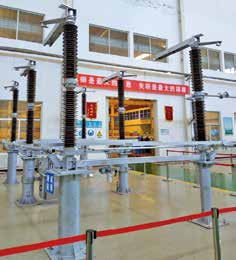
GW4-40.5/72.5/126/145/170/252/363/420 Series Double-column Horizontal Rotary High-voltage AC Disconnect Switch
SHANDONG TAIKAI DISCONNECTORS CO., LTD.
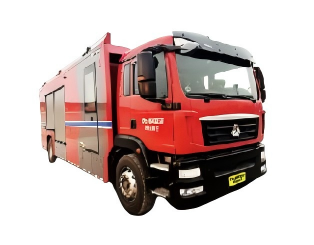
Modular Multifunctional Water Supply and Drainage Vehicle (18T)
Changsha Dewater Machinery Technology Co., Ltd.
CITIC Heavy Industries Offshore Wind Power Equipment Hydraulic Pile Hammer
CITIC Heavy Industries Co., Ltd.
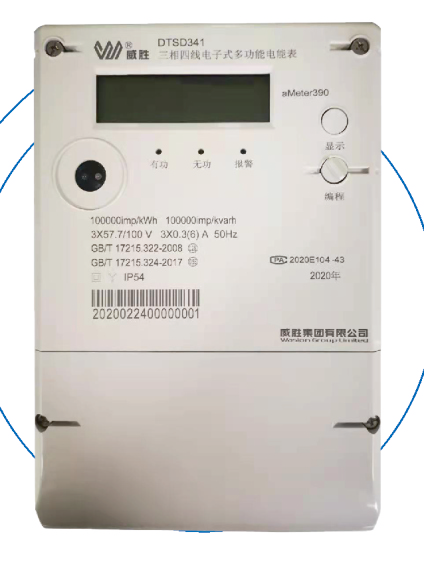
Overseas IEC Gateway Energy Meter - DTSD341/DSSD331-aMeter390
Wasion Group Limited Co., Ltd.