Wedoany.com Report-Sept. 28, NTPC Green Energy Ltd (NGEL), the renewable energy division of India’s leading power generator, has invited Indian and international developers to establish green hydrogen and green chemical projects at the National Green Hydrogen Hub in Pudimadaka, Andhra Pradesh. The expressions of interest (EoI), announced on September 24, 2025, and open until October 24, 2025, target one of the world’s most ambitious green molecule production zones, aiming for an annual capacity of 2.5 million tonnes of green ammonia, methanol, sustainable aviation fuel, and green urea.
Developers selected for the hub must utilize renewable power, water, and green hydrogen supplied exclusively by NGEL, which is developing essential infrastructure, including 7 GW of electrolyser capacity, 7.5 GW of grid transmission, a desalination plant, chemical storage facilities, and a dedicated port for exports. The project, supported by a ₹1.85 trillion ($22.2 billion) investment in collaboration with the Non-conventional Energy Development Corporation of Andhra Pradesh (NREDCAP), offers agreements for land sub-leases, water and renewable energy supply, biogenic CO₂ delivery, and potential joint ventures with NGEL.
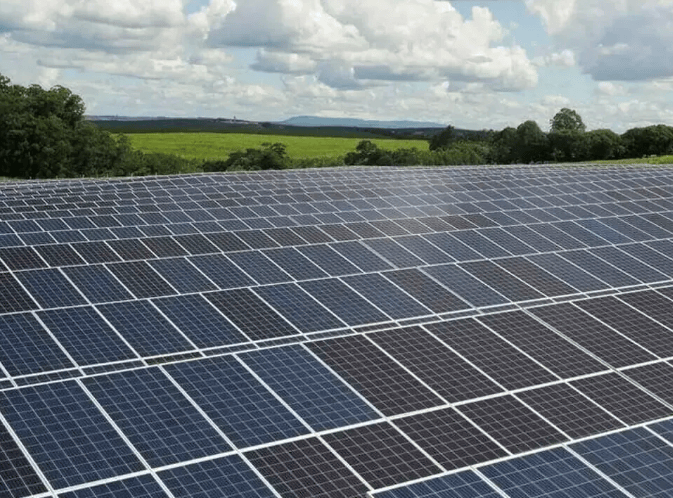
The Pudimadaka hub, officially launched in January 2025, is designed to produce 1,500 tonnes of green hydrogen and 7,500 tonnes of its derivatives daily. NGEL’s broader strategy includes a ₹5 trillion ($60 billion) investment by 2030 to achieve 60 GW of renewable energy capacity, with 90% from solar. To support this goal, NGEL and ONGC acquired Ayana Renewable Power in March 2025 to accelerate renewable energy development.
The initiative is expected to drive economic growth in Andhra Pradesh by creating jobs and fostering innovation in green energy technologies. By establishing a robust supply chain for green hydrogen and its derivatives, the hub will support India’s transition to sustainable energy and enhance its position in global clean energy markets. The project aligns with efforts to promote environmentally friendly production and consumption, contributing to both regional development and global sustainability goals.