Wedoany.com Report-Oct. 21, Construction work on Germany’s A26 Autobahn in Hamburg has been suspended following a ruling by the Federal Administrative Court in Leipzig. The decision halts progress on the planned A26-East harbour section due to environmental concerns raised by the environmental organizations NABU and BUND Hamburg.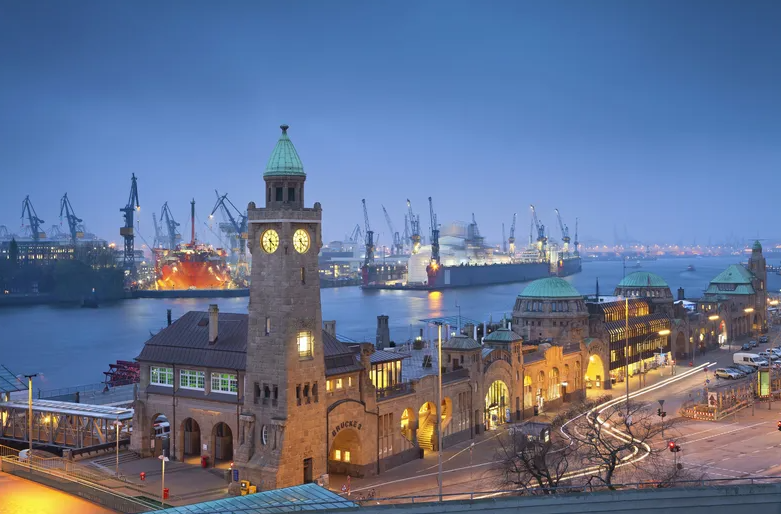
Work on a key link in Hamburg has been stopped following a court ruling
The contested section of the A26 East runs between Moorburg and Stillhorn, passing through sensitive moorland areas. The court’s decision follows a lawsuit filed by the two environmental bodies, which argued that the route could cause ecological damage. NABU has proposed an alternative plan to upgrade the existing main port route instead of building the new stretch of the A26.
The A26 project is of significant economic importance to Hamburg, as the city’s port ranks among the busiest in Europe. The route was designed to strengthen the city’s transport infrastructure by connecting two major Autobahn routes — the A1 in the west and the A7 in the east. Both highways play crucial roles in facilitating national and regional logistics.
Authorities had expected the A26-East to ease congestion and improve access to the port area, supporting freight transport efficiency and boosting the movement of goods through Hamburg. The suspension, however, introduces uncertainty for logistics planning and regional trade development.
The ruling also highlights growing scrutiny over infrastructure projects that may affect protected ecosystems. Environmental organizations have emphasized that construction through moorland areas could disrupt habitats and damage natural landscapes. By contrast, upgrading existing infrastructure could minimize ecological impact while maintaining transport efficiency.
The A26-East was part of a broader initiative to enhance Hamburg’s highway network and strengthen its role as a logistics hub within northern Europe. The delay now raises concerns among transport planners and business stakeholders about potential traffic bottlenecks, as well as longer-term implications for port operations and trade competitiveness.
Officials in Hamburg are expected to review alternative routing or design adjustments that balance infrastructure needs with environmental protection. The outcome of this process will likely influence how future large-scale transport projects are planned and approved across Germany, particularly those intersecting with ecologically sensitive zones.
The Federal Administrative Court’s decision underscores the growing importance of integrating environmental considerations into transport development strategies. For Hamburg, resolving this issue swiftly will be essential to maintaining efficient connectivity between its major Autobahn corridors and sustaining the economic vitality of its port, a cornerstone of the city’s trade and industrial activity.