China Rolls Out Subsidy for Green Fuels Production
Wedoany.com Report-Oct. 25, China has announced a new green hydrogen policy, introducing state budget subsidies to support the production of low-carbon fuels. The policy, unveiled by the National Development and Reform Commission (NDRC) last week, aims to integrate decarbonization investments into national planning and promote mainstream adoption of green energy technologies. The announcement coincided with the week that International Maritime Organization (IMO) member states did not adopt a Net-Zero Framework for global shipping.
Sinopec and Longi launched in 2023 the first 10,000-ton green hydrogen project (Longi)
A central feature of the policy is a 20 percent subsidy on capital expenditure for five categories of decarbonization projects. These include net-zero demonstration initiatives such as green methanol, sustainable aviation fuels (SAF), carbon capture, utilization and storage (CCUS), and projects supporting carbon market mechanisms. Experts estimate that a 20 percent subsidy on green fuel investments could lower overall project costs by around 5 to 8 percent.
Kai Yu, a researcher in China’s clean energy sector, noted: “For years, China’s green hydrogen and e-fuels projects ran on ambition. Subsidy is limited to fuel cell manufacturing, mainly, and fuel cell electric vehicles. This has now changed with a national subsidy for green hydrogen investment.” The policy represents a shift from prior programs that focused primarily on fuel cells to broader support for green hydrogen production, reflecting its increasing importance in China’s energy transition strategy.
As the world’s largest producer of clean energy, China views green hydrogen as a key sector to utilize renewable electricity. However, the industry faces several challenges, including high capital costs, limited distribution infrastructure, and unstable demand for hydrogen and derivative fuels, which have contributed to project delays. According to a 2024 report by China’s National Energy Administration (NEA), more than 600 green hydrogen projects had been planned, but only 90 were completed and 80 had started construction. Stimulating demand, particularly in transportation and shipping, remains a priority, with cross-border hydrogen trading seen as a key element.
The newly released subsidy is widely interpreted as a tool to remove some of these demand barriers and accelerate the commercialization of green hydrogen projects. Observers note that the policy provides domestic shipping and other industries with incentives to adopt low-carbon fuels, aligning with China’s broader energy transition goals.
Chris Chatterton, Managing Director & Partner at Green Marine Group, commented: “While some nations oppose multilateral carbon frameworks as ‘taxes,’ China is quietly building a domestic incentive system that rewards the same goal—industrial transition toward net-zero. Policy leadership comes in many forms, sometimes through action, not abstention.”
Overall, the subsidy program represents a strategic effort to strengthen China’s position in green hydrogen production, support renewable energy utilization, and foster a domestic market for low-carbon fuels, contributing to the country’s long-term sustainability objectives.
Related Products
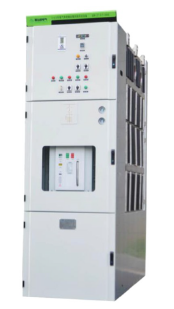

GSR6-27.5kV SF6 Free Gas-insulated Metal-enclosed Switchgear
Zhejiang Juhonkia Intelligent Electric Co., Ltd.
Wheel and Track Technology Business
Beijing Research & Design Institute of Rubber Industry Co., Ltd.
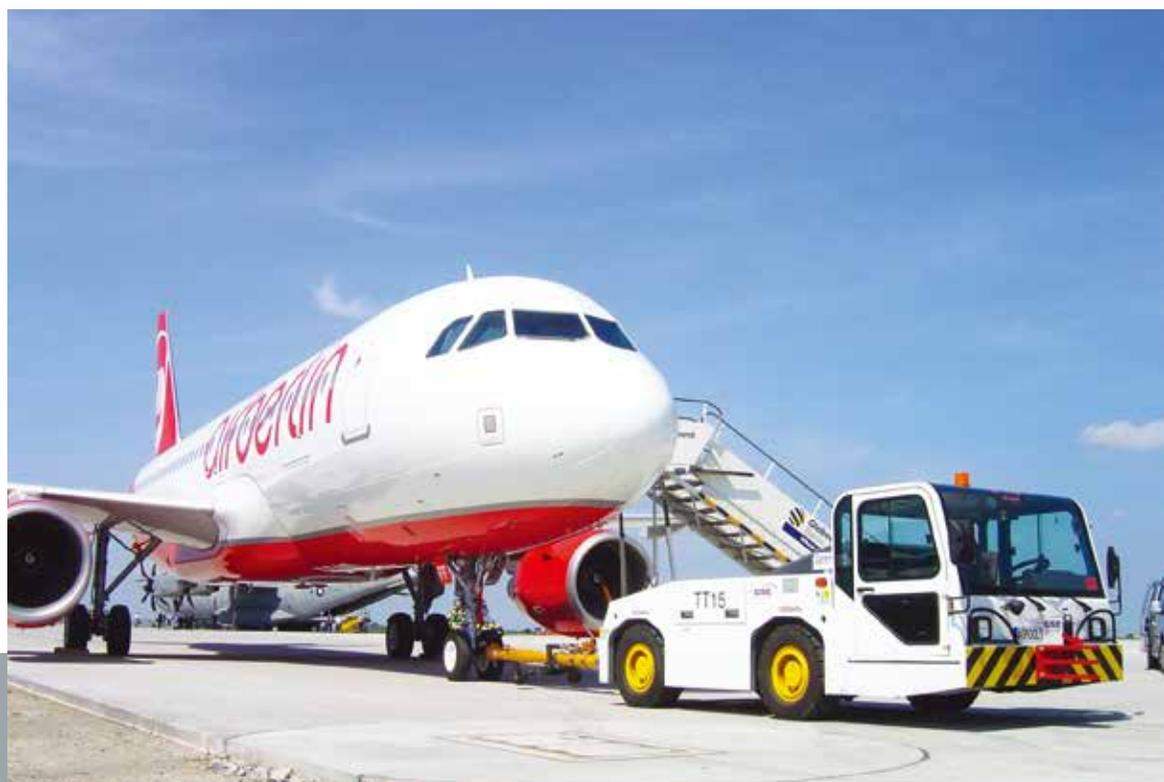
WGQY Series Aircraft Tow Tractor-WGQY15, WGQY27
Weihai Guangtai Airport Equipment Co., Ltd.

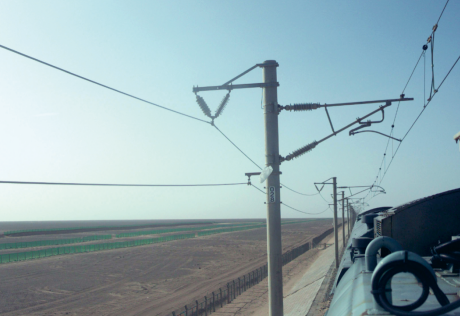
Pantograph-Catenary Comprehensive Detection Device (1C)
CHENGDU TANGYUAN ELECTRIC CO., LTD.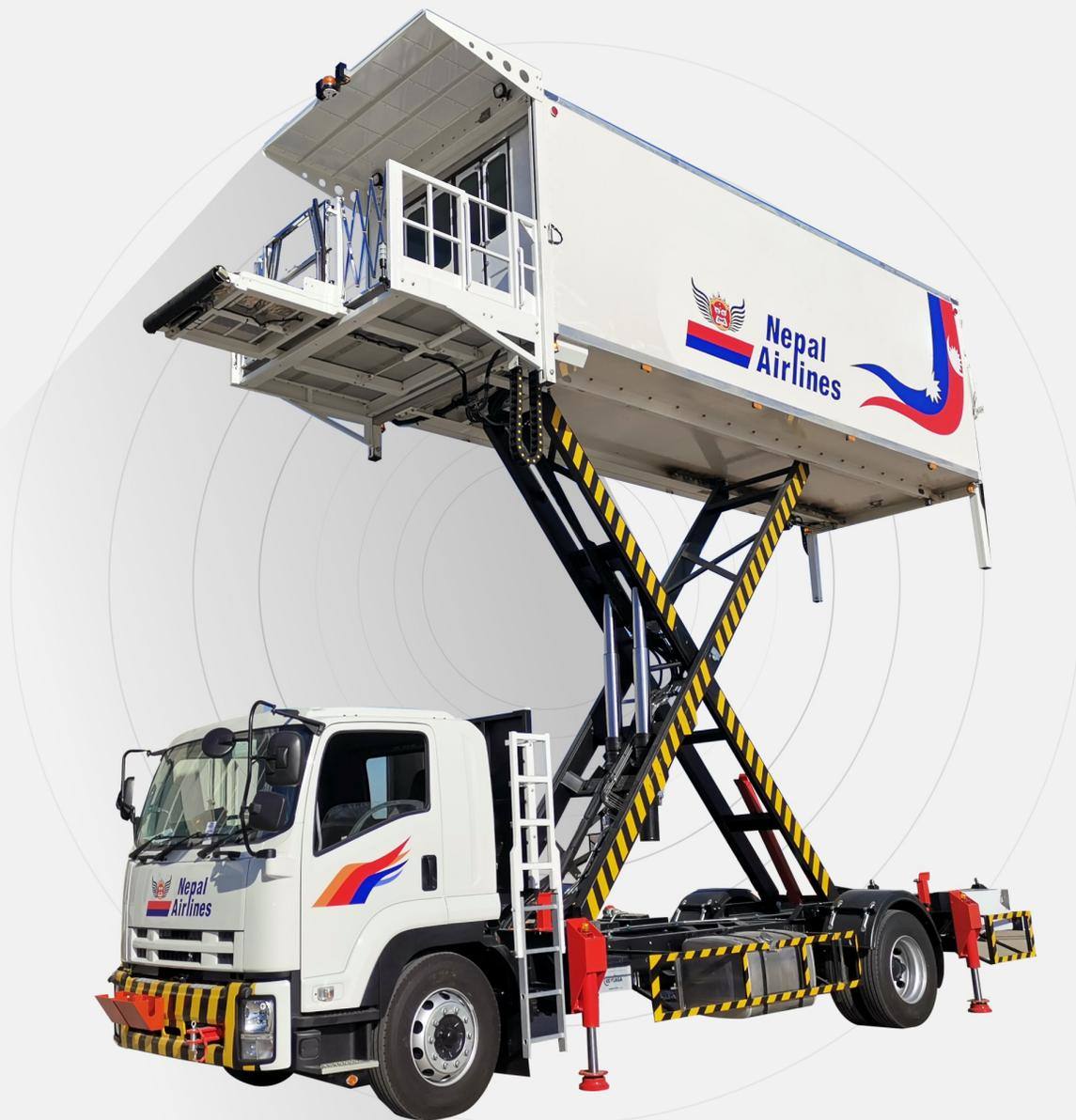
XC-6000e Type Aviation Catering Truck (Fuel Type)
Shenzhen CIMC-TianDa Airport Support Ltd.