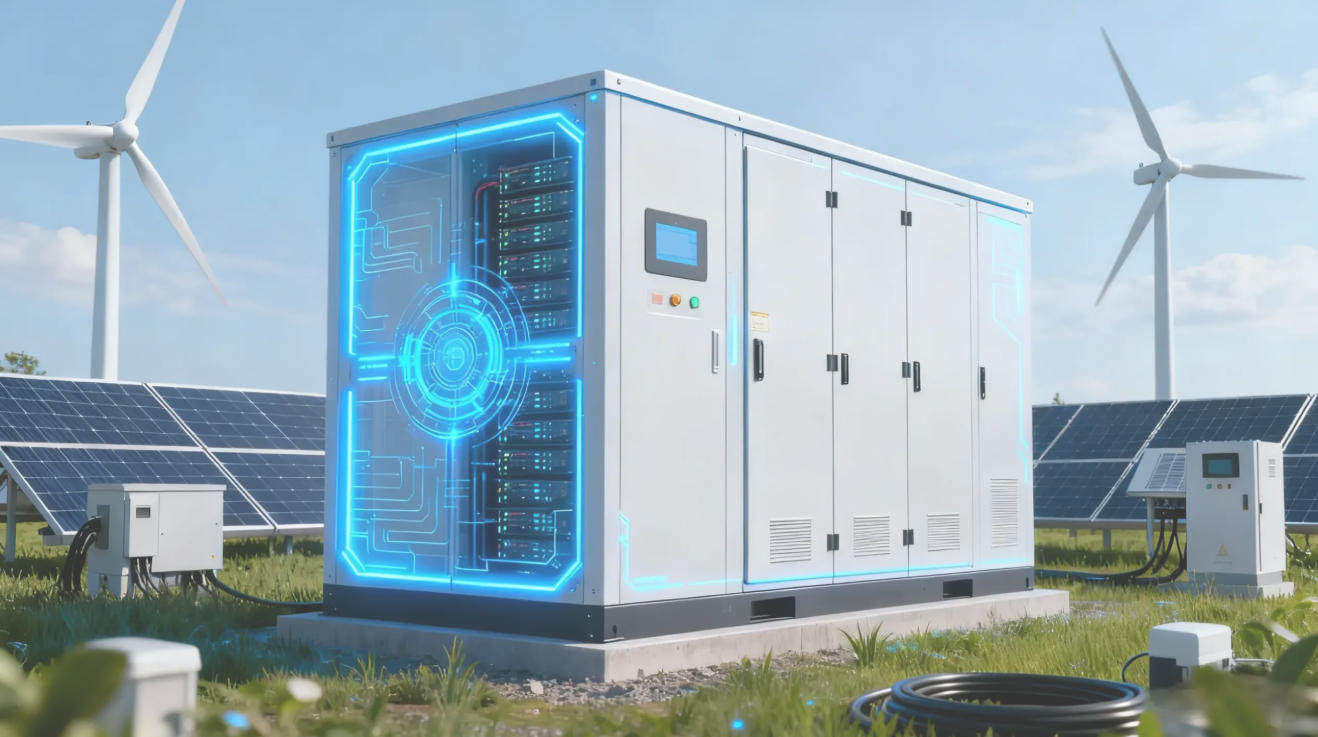
Wedoany.com Report-Oct. 27, Indonesia’s state-owned oil and gas company SKK Migas and INPEX Masela Ltd. have completed a technical study of Carbon Capture and Storage (CCS) at the Abadi gas field in the Masela Block. The study was conducted to assess subsurface readiness before advancing the project.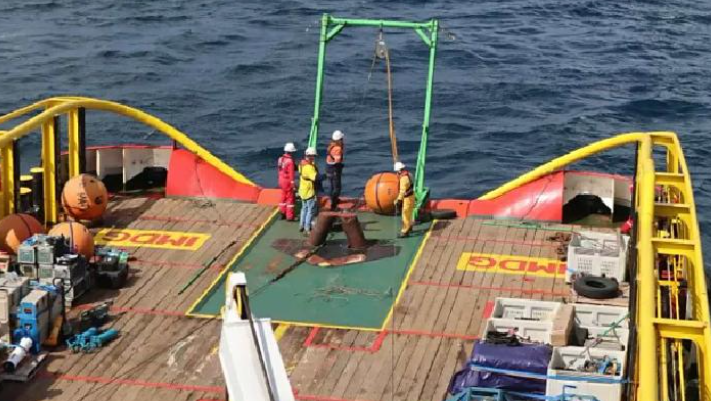
Deputy of Exploitation at SKK Migas, Taufan Marhaendrajana, said: "The results of the study are a crucial basis for the project's subsequent phases to remain in line with sustainability principles and environmental protection." He noted that the milestone marks progress in designing CCS technology suited to the Maluku region’s geological conditions. The study was conducted in collaboration with the Affiliated Research Institute and Industry of Bandung Institute of Technology (LAPI ITB). Taufan added that the CCS study supports the Abadi Project’s commitment to Net Zero Emission targets and global competitiveness.
With the study completed, INPEX is prepared to move to the Front End Engineering Design (FEED) phase. Executive Project Director Jarrad Blinco said: "The Abadi LNG project will be the first project in Indonesia to implement CCS technology, which not only reduces carbon emissions but also ensures energy supply for the country."
Initiated in 2022, the CCS study included reviewing subsurface readiness and estimating CO₂ storage capacity. Research in 2024–2025 involved laboratory analyses, 3D geomechanics modeling, and 4D coupled flow-geomechanics simulations to assess risks and underground carbon behavior.
The FEED phase for the Abadi gas field project in the Arafura Sea’s Masela Block began on August 28, 2025. Deputy Minister of Energy and Mineral Resources Yuliot Tanjung said the government supports project acceleration through regulatory simplification and licensing. INPEX Masela Ltd. appointed PT Adhi Karya as the main FEED contractor, with global EPC companies KBR and Samsung Engineering & Construction also involved.
The project aims to produce 9.5 million tons of LNG per year, 150 MMSCFD of pipeline gas, and 35 thousand barrels of condensate daily. The onshore LNG facility will integrate CCS technology to reduce emissions and contribute to national reduction targets. Yuliot noted the project will strengthen energy resilience, reduce import dependency, and provide benefits to local communities.
The Masela Block covers about 4,291.35 km² in the Arafura Sea, roughly 800 km east of Kupang, East Nusa Tenggara, and 400 km north of Darwin, Australia, at depths of 300–1,000 meters. The block has potential output of 1,600 MMSCFD of gas, equivalent to 9.5 million tons of LNG per year, 150 MMSCFD of pipeline gas, and 35 thousand barrels of condensate per day. Operations are targeted to begin in Q4 2029.
LNG is natural gas cooled to –162°C, reducing its volume by up to 600 times for easier storage and distribution. It serves as fuel for industries and power plants, lowering CO₂ emissions by roughly 25% and NOx emissions by 90%, with no sulfur, dust, or other particle emissions.
The project also includes construction of an LNG refinery port to support movement of goods, equipment, and processed gas. The Masela Block contract, initially signed on November 16, 1998, was extended to November 15, 2055, following earlier extensions.