Wedoany.com Report-Nov. 3, UK-based renewable and shore power system developer Net Zero Marine (NZM), together with towage services provider Svitzer, has completed the installation of what is described as “the largest shore power facility” on the River Thames. The 0.55 MW system, located at Denton Wharf, was finalized on October 21 and marks a major advancement in the maritime green energy transition. According to the companies, the facility is expected to reduce carbon dioxide emissions by more than 280,000 kilograms annually.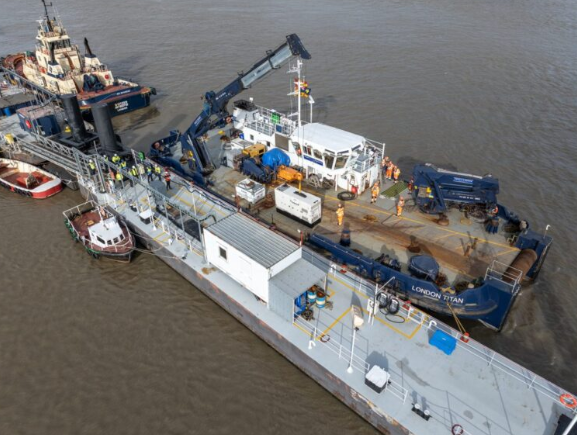
The project is also recognized as one of the largest non-subsidized shore power installations in the United Kingdom. The new system provides zero-emission electrical power to Svitzer’s tug fleet operating from Denton Wharf, utilizing a 100% renewable energy tariff from TotalEnergies. This initiative directly contributes to the Department for Transport’s (DfT) Maritime Decarbonisation Strategy for 2025, which aims to reduce the environmental impact of the UK’s maritime sector.
Miles Cole, Head of Origination at Net Zero Marine Limited, expressed satisfaction with the progress: “NZM are focused on improving air quality in the UK maritime sector. We are very proud to be part of this project, and our ambition is to roll out many more of these projects over the coming years.” He emphasized that shore power systems like this play an important role in achieving cleaner port operations and reducing local air pollution.
Michael Paterson, Managing Director of Svitzer UK, highlighted the company’s commitment to long-term sustainability goals: “At Svitzer, we’ve set ambitious yet achievable targets to decarbonise our global operations together with our customers and the communities we are part of. This is another important step in becoming net zero by 2040.”
The installation at Denton Wharf is part of a broader collaboration between NZM and Svitzer to expand shore power and vessel charging infrastructure across the UK’s ports. Their joint strategy aims to support the transition of maritime operations to low-carbon energy sources, aligning with international environmental standards and national carbon reduction goals.
As part of this ongoing effort, Svitzer introduced the first of its electric tug fleet in 2025. Each electric tug is expected to reduce carbon emissions by 600 to 900 tons annually compared to conventional tugboats. The company’s fleet electrification initiative forms a core element of its global decarbonization plan, contributing both to fuel cost savings and operational efficiency.
The completion of the Thames shore power project demonstrates the growing momentum of renewable energy integration in the maritime sector. Through partnerships such as this, UK ports and operators are taking concrete steps to modernize infrastructure, reduce greenhouse gas emissions, and promote sustainable energy use in port operations. Both NZM and Svitzer plan to continue developing similar facilities across other major UK maritime hubs in the years ahead.