China’s First Double-Deck Cable-Stayed Suspension Bridge Opens to Traffic Over Yangtze
Wedoany.com Report-Nov. 10, China’s first double-deck cable-stayed suspension bridge, the Tongling Yangtze River Third Bridge, officially opened to traffic on Thursday in Tongling City, Anhui Province. Spanning 11.9 kilometers, the bridge is the 11th crossing over the Yangtze River in Anhui and marks a major step in enhancing the region’s transportation infrastructure.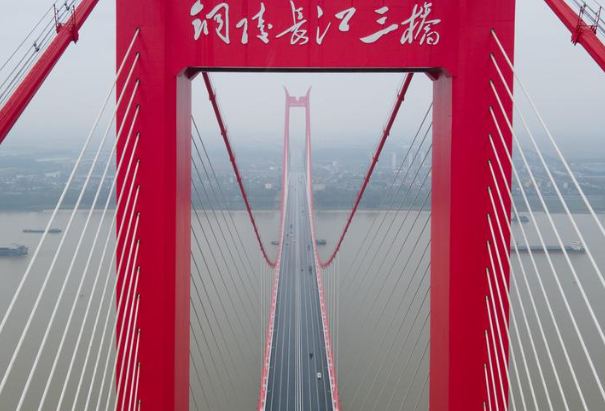
The project integrates expressways, intercity railways, and freight lines, while also supporting intermodal transport between rail and water. On Thursday, the road section of the bridge was put into operation, allowing vehicles to use the route immediately. The opening is expected to further improve connectivity across the Yangtze River Delta region and provide new momentum for local economic growth.
Engineered with strict ecological standards, the bridge passes through the Tongling River Dolphin National Nature Reserve and a protected drinking water source area. Designers and builders emphasized minimizing environmental impact while maintaining high structural and operational standards.
The double-deck design enables the bridge to carry multiple transport modes simultaneously, increasing capacity and efficiency. By combining road and rail transit, the bridge addresses growing demands for passenger and freight movement across the region. The project also enhances integration with existing infrastructure, connecting major urban centers and facilitating smoother logistics and travel.
Officials noted that the bridge will contribute to the broader regional transport network, supporting trade, tourism, and industrial development. Its strategic location within the Yangtze River Delta, one of China’s most economically dynamic areas, is expected to strengthen regional connectivity and improve transport efficiency for both passenger and commercial traffic.
The Tongling Yangtze River Third Bridge demonstrates China’s ongoing efforts to advance engineering capabilities, promote sustainable infrastructure, and enhance the resilience of transport systems. Its successful opening provides a model for future projects that require the integration of multiple transport modes in environmentally sensitive areas.
Overall, the bridge not only supports local and regional mobility but also reflects a balance between engineering innovation and ecological protection, contributing to long-term economic development in Anhui Province and the wider Yangtze River Delta region.
Related Products


Ceiling light | led Ceiling Light | LED Indoor light | LED Ceiling lighting
Queendom Group Technology Co., Ltd.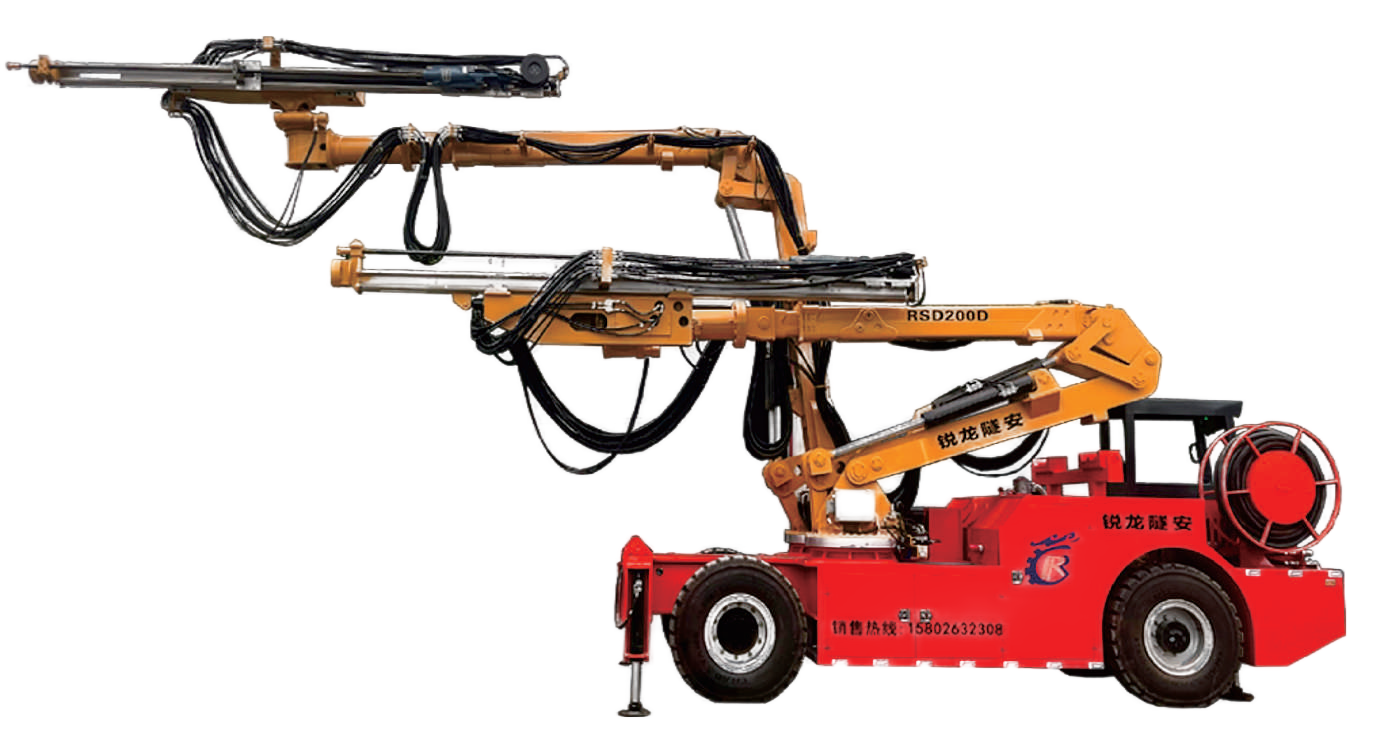
Dual-curved Arm Rock Drilling Trolley RSD200D
Chengdu Ruilong Machinery Manufacturing Co., Ltd.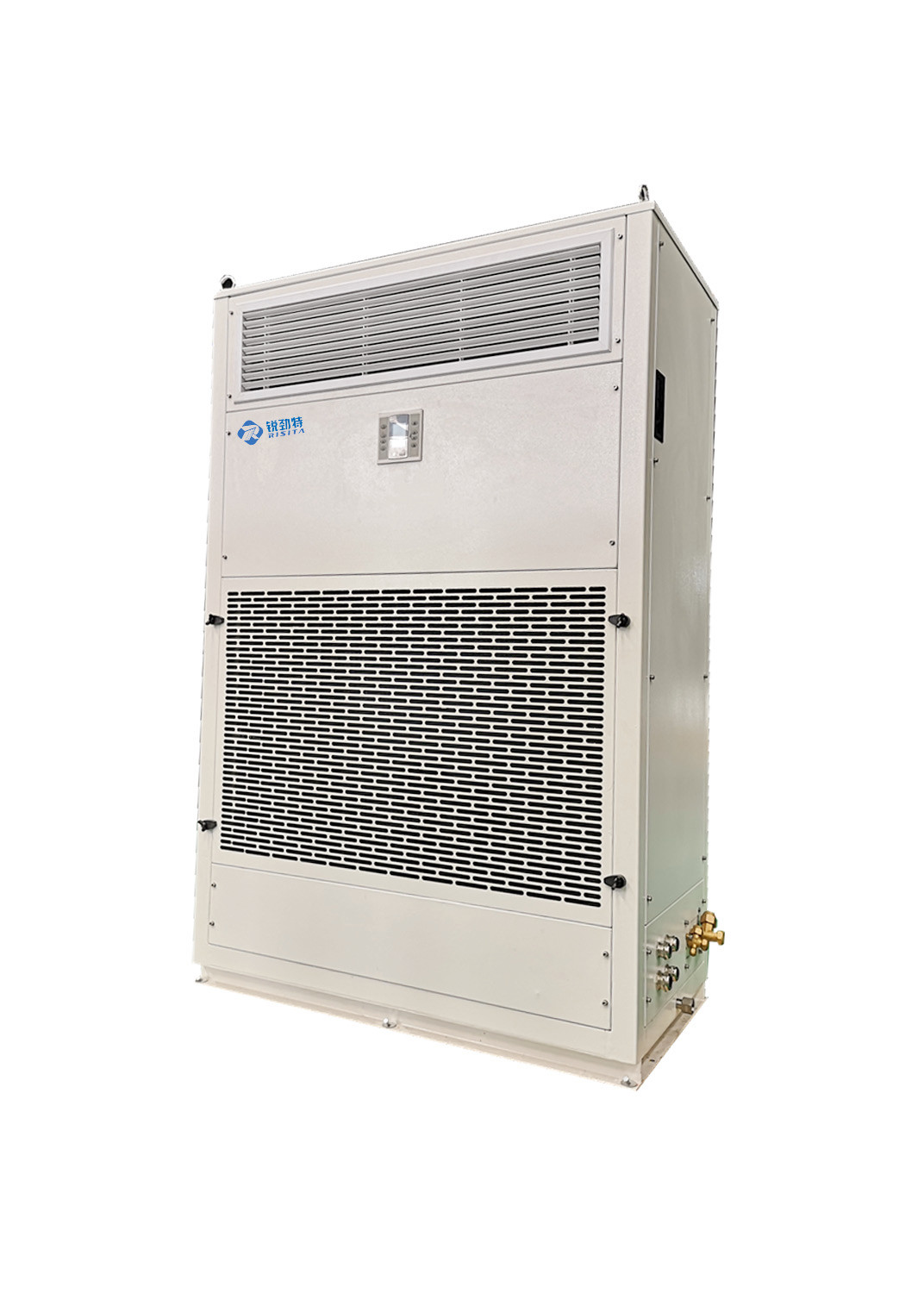
RISITA explosion-proof air conditioning
Guangdong RISITA Air Conditioning Equipment Co.,Ltd.
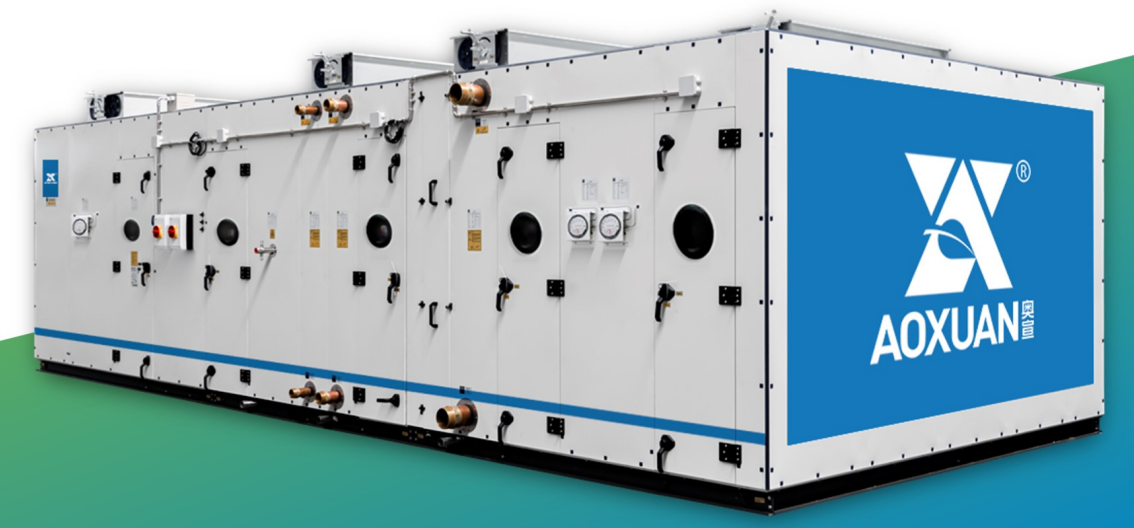
Aoxuan Intelligent Precision Air Conditioning Unit
SHANGHAI AOXUAN PURIFICATION TECHNOLOGY CO., LTD.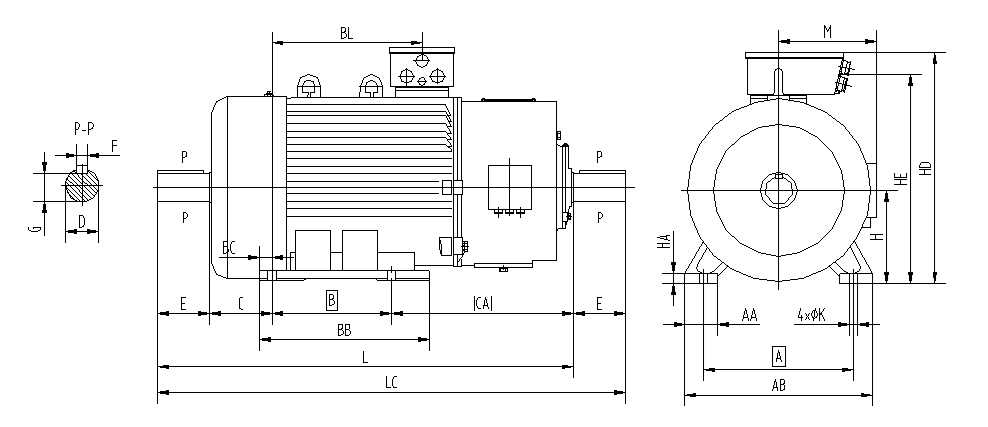
YZR (450-560) Series Wound Rotor Three-Phase Asynchronous Motors for Crane and Metallurgical Applications
Jiamusi Electric Machine Co., Ltd.

Acoustic Mineral Fiber Ceiling Tile 595x595x12mm
Shanxi Pano Trading Co., Ltd
Pure Polyurethane Wall Panel BD-AEF-PIR-01
Baodu International Engineering Technology Co., Ltd.