Exxon Boosts Forecast, Aims for $25 Billion Earnings Growth by 2030
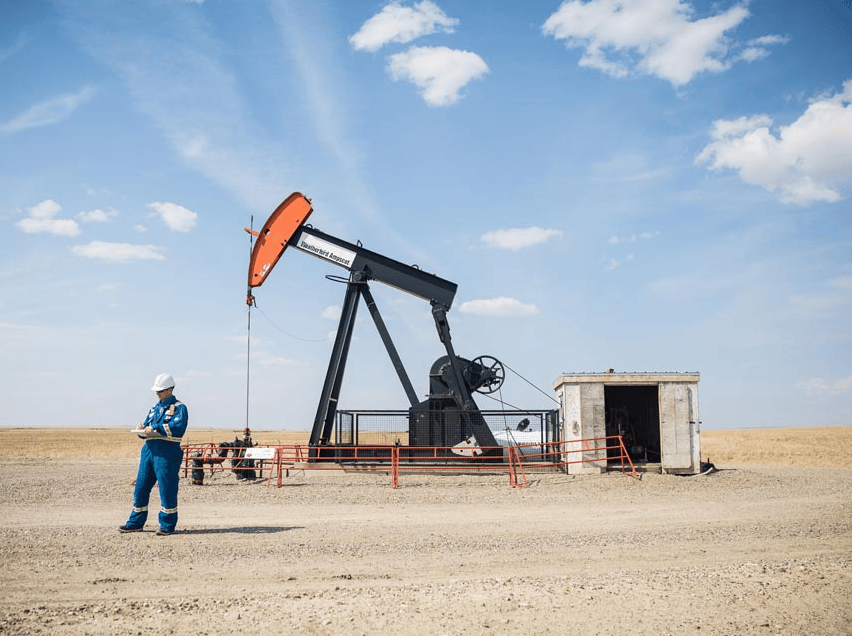
Wedoany.com Report-Dec.10, Exxon Mobil, the largest oil producer in the United States, announced on Tuesday an updated corporate plan targeting $25 billion in additional earnings by 2030 compared to 2024 levels. The company plans to achieve this through higher oil and gas production from low-cost assets, primarily in Guyana and the Permian Basin, without raising annual capital spending beyond previous guidance.
The company also disclosed that Chief Financial Officer Kathy Mikells will retire on February 1, 2026, due to a health condition that is not life-threatening. She will be succeeded by Neil Hansen, currently president of Exxon Mobil Global Business Solutions.
The revised outlook adds $5 billion to the earlier earnings growth target while maintaining disciplined investment. Exxon shares rose 3% in morning trading following the announcement.
Production is projected to reach 5.5 million barrels of oil equivalent per day by 2030, an increase from the prior forecast of 5.4 million boepd. Growth will be driven significantly by the Permian Basin, where output is now expected to reach 2.5 million boepd, up from the previous target of 2.3 million boepd.
"We are more profitable than we were five years ago, and we expect that to continue as the advantages we’ve unlocked position us for even greater opportunities in the years ahead," Chairman and CEO Darren Woods said in prepared remarks.
Earnings from upstream operations are forecast to increase by more than $14 billion over the period. The company highlighted the use of artificial intelligence to optimize drilling and reduce operating costs, contributing to a lower cost of supply in the Permian Basin, now estimated at around $30 per barrel.
Exxon has expanded its structural cost reduction program by an additional $2 billion, bringing total planned savings to $20 billion by 2030. Cash flow is expected to grow by $35 billion by the end of the decade, also $5 billion above the previous projection.
Capital spending will remain between $27 billion and $29 billion in 2026, rising to $28 billion to $32 billion annually from 2027 to 2030 as major liquefied natural gas projects advance.
The company continues to strengthen its global LNG portfolio while maintaining focus on high-return oil developments. These initiatives, combined with ongoing efficiency improvements, are designed to deliver sustained value through varying market conditions and support long-term energy demand growth.
Related Products



220kV Composite Outdoor Cable Terminal
Shenyang Guolian Cable Accessories Manufacture Co., Ltd.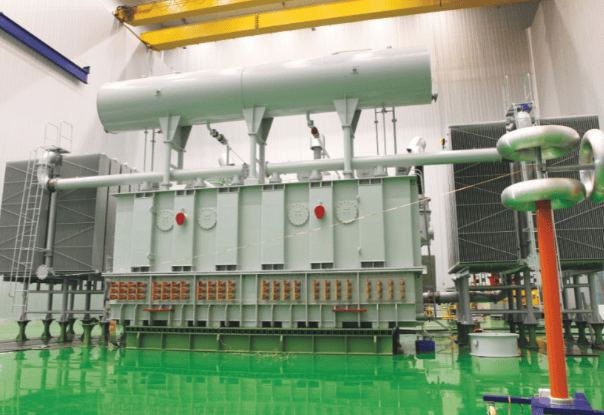


Environmentally Friendly Flame-retardant PVC Double-layer Insulated Wire
Sichuan Chndo Cable Co., Ltd.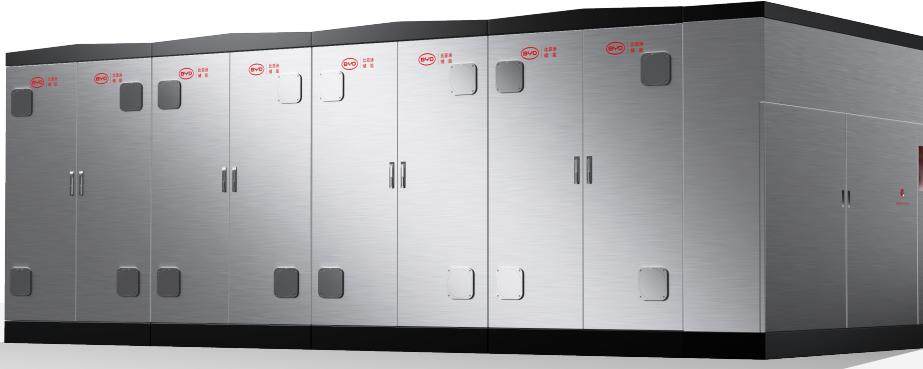

GW4-40.5/72.5/126/145/170/252/363/420 Series Double-column Horizontal Rotary High-voltage AC Disconnect Switch
SHANDONG TAIKAI DISCONNECTORS CO., LTD.