Malaysia’s Building Materials Sector Set for Strong 2026
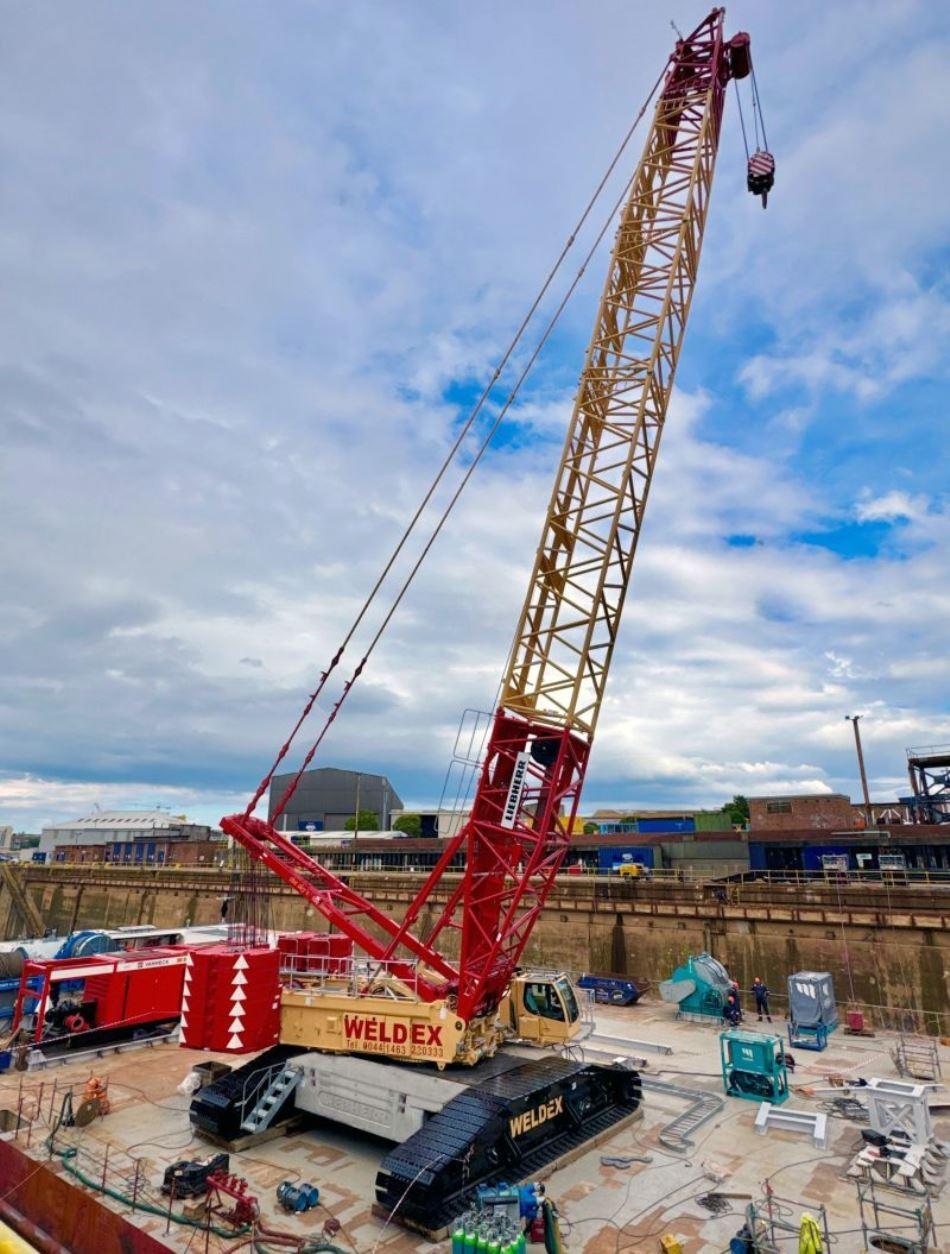
Wedoany.com Report-Dec.13, Malaysia's building materials sector is projected to experience strong growth in 2026, driven by increased demand for cement and steel associated with large-scale infrastructure projects under the 13th Malaysia Plan, alongside rising needs from data centre construction and industrial expansions, according to analysis from CIMB Securities.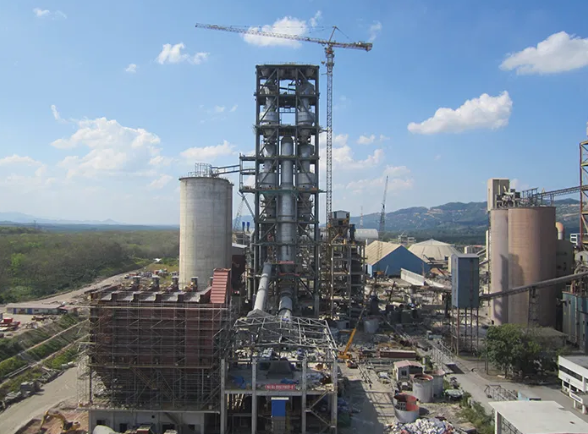
The industry is also anticipated to see advantages from elevated product prices, primarily resulting from higher transportation expenses. Manufacturers operating facilities in Penang, Selangor, and Johor are positioned to achieve logistical efficiencies, providing timely supply to major consumption areas.
Since November 2025, transportation charges and quarry material costs have risen by 15 to 40 percent following enhanced enforcement of vehicle load regulations. These adjustments have influenced overall supply chain expenses.
CIMB Securities forecasts core earnings for the sector to increase by 15 percent in the current year, followed by a substantial 68 percent growth in 2026, before easing to 16 percent in 2027.
Within the steel segment, producers are expected to transfer additional logistics costs to customers, particularly given current margin constraints from moderate international steel pricing trends. As carbon-related measures approach, companies investing in environmentally friendly production methods may secure advantages through access to growing markets for lower-emission steel and potential price premiums in Malaysia and Singapore, although significant upfront capital will be necessary.
In a separate development, Matrix Concepts has introduced its ONEFest Celebration homeownership campaign. The program provides incentives including waivers on certain fees, complimentary broadband services, club memberships, loyalty benefits, and participation in a "Lucky Spin" prize draw.
The promotion integrates elements from Christmas, Chinese New Year, and Hari Raya Aidilfitri celebrations to encourage property acquisitions across the company's projects in the southern region, Negeri Sembilan, and the Klang Valley.
These combined factors indicate positive momentum for Malaysia's construction-related industries, supported by infrastructure development and targeted consumer initiatives.
Related Products

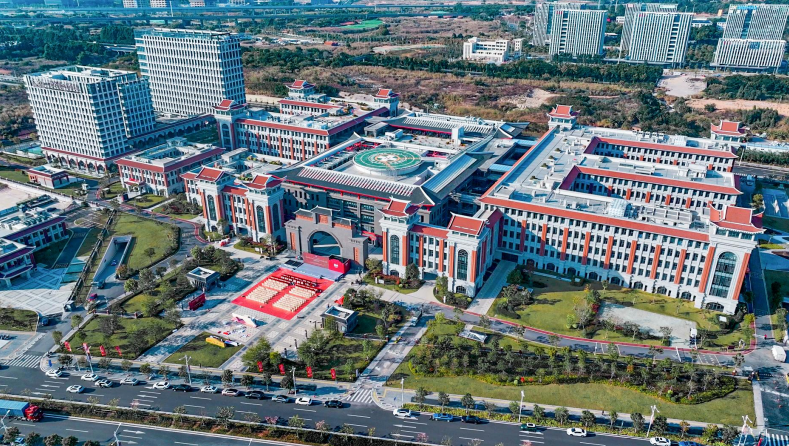
West China Xiamen Hospital of Sichuan University
Wuhan Huakang Century Clean Technology Co., Ltd.
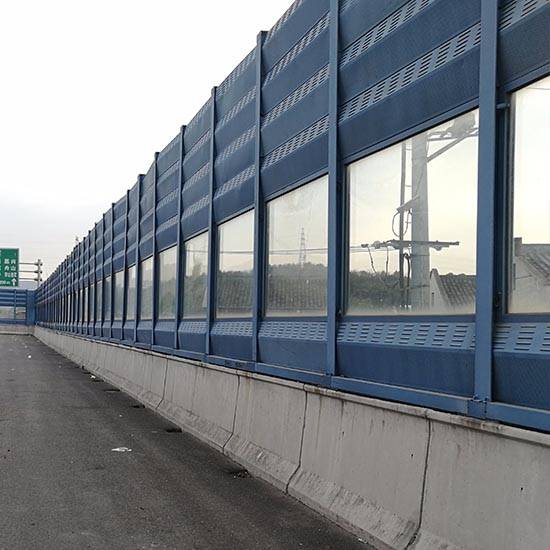
Metal sound barriers that can reduce the transmission of road noise
Hebei Jinbiao Construction Materials Tech Corp., Ltd.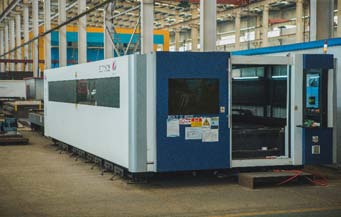
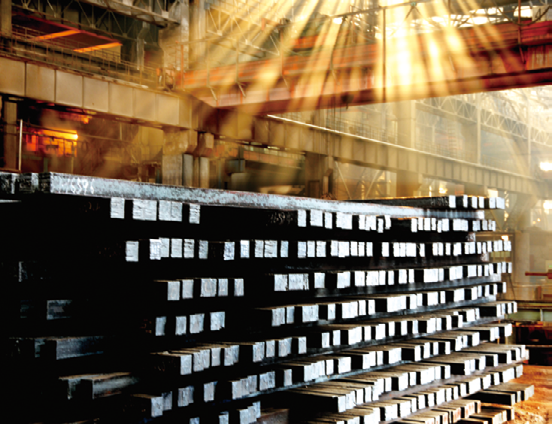
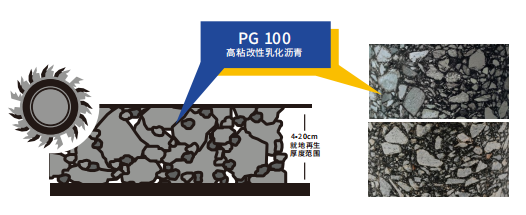
High-toughness in-Situ Cold Recycling Technology for Original Structural Layers
Central Fortune Creation Technology Group Co., Ltd.
Industrial and Commercial Point-Type Gas Detector
Jinan Benan Technology Development Co., Ltd.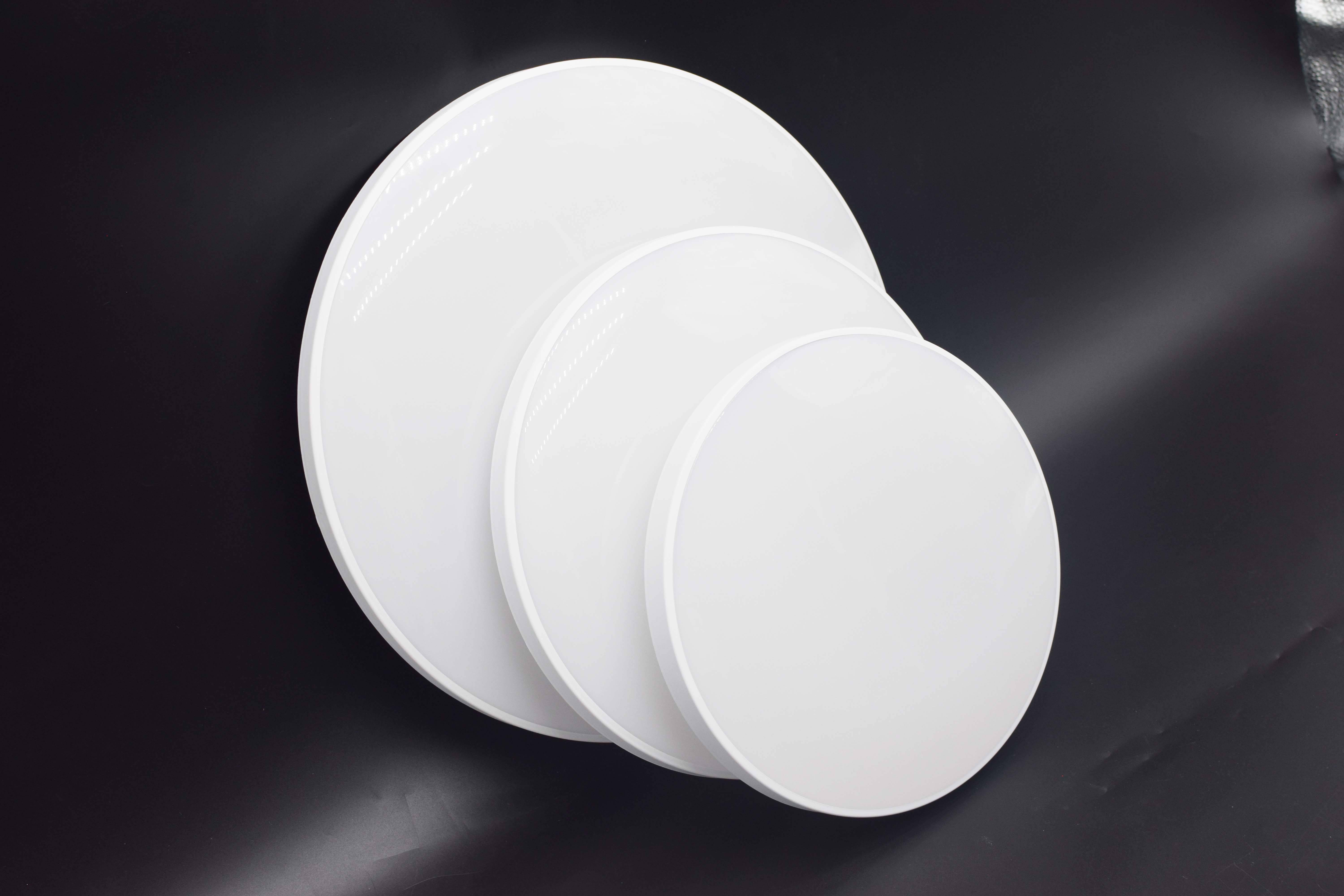
Ceiling light | led Ceiling Light | LED Indoor light | LED Ceiling lighting
Queendom Group Technology Co., Ltd.