Korea Zinc recently announced that it has adjusted the financing plan for its U.S. smelter project through a stock issuance. After this adjustment, the total financing amount is set at 2.833 trillion won (approximately $1.94 billion), a slight change from the original plan. The company stated that the fine-tuning of the financing scale is based on the final determined stock issuance price and market exchange rate fluctuations.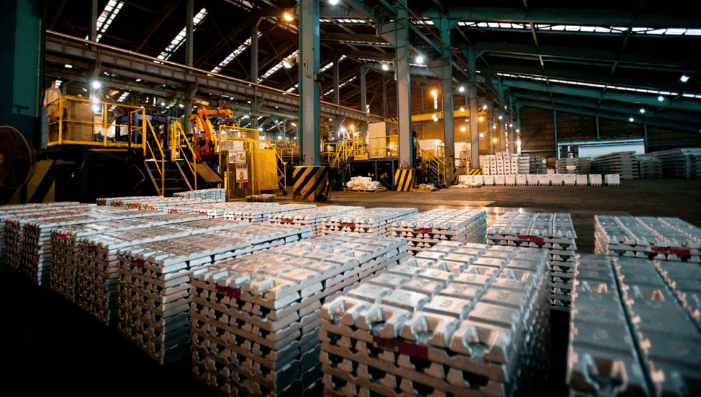
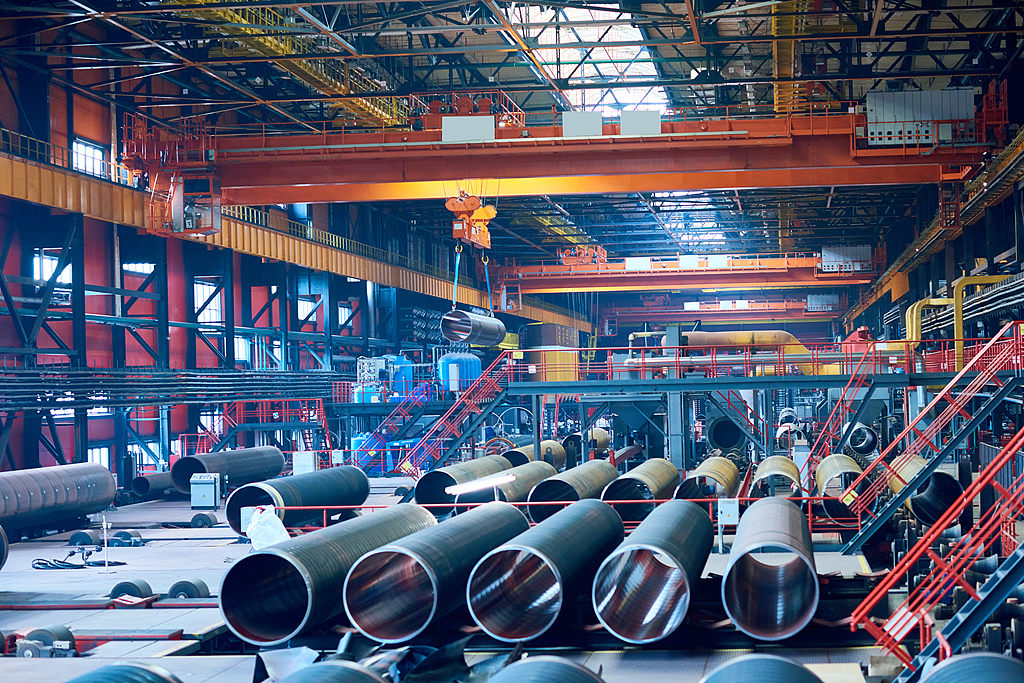
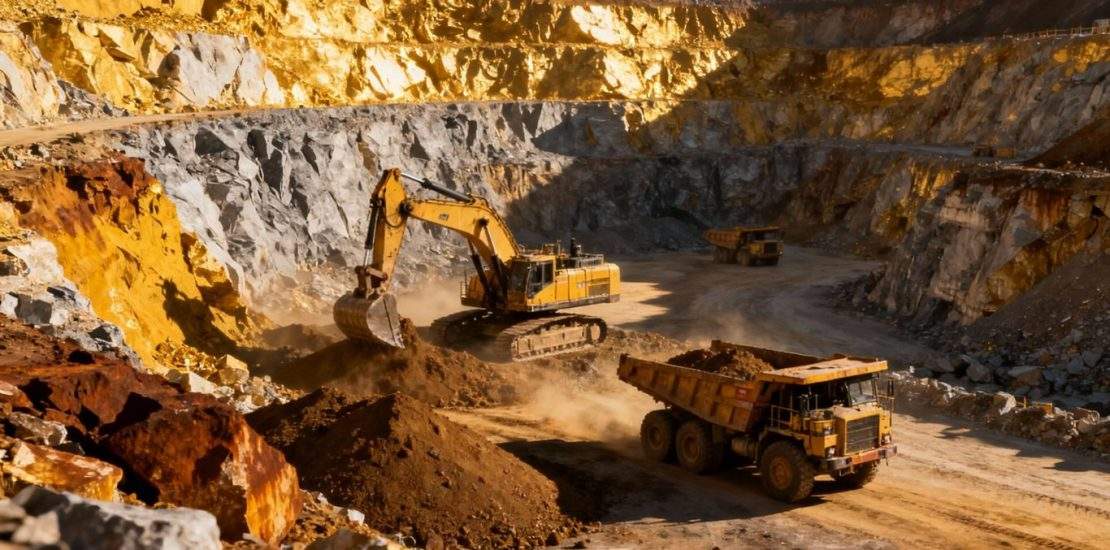
According to the company's official statement, this approximately $1.94 billion in funds will be specifically allocated for the construction of a new non-ferrous metal smelting facility in Tennessee, USA. This facility will produce metal materials classified as critical minerals, such as antimony and gallium.
The main purpose of this investment project is to support the enhancement of the United States' domestic self-supply capacity for critical minerals. Critical minerals like antimony and gallium are indispensable raw materials in fields such as electronic devices, advanced manufacturing, and the defense industry. Korea Zinc's move to build a smelter in the United States helps respond to the strategic need of the U.S. to strengthen the resilience of its critical mineral supply chain.