U.S. Department of Energy Seeks Public Input for 2026 Critical Energy Materials Assessment
Wedoany.com Report on Jan 31st, The U.S. Department of Energy recently issued a Request for Information, soliciting public input to inform and guide the upcoming 2026 Critical Energy Materials Assessment. This initiative aims to gain a more comprehensive understanding of the perspectives from industry, academia, and the public regarding the application of critical materials in the energy sector, the current state of supply chains, and future needs, in order to support related strategic planning and policy formulation.
This Request for Information is managed by the Office of Critical Minerals and Energy Innovation under the Department of Energy. The office stated that by broadly collecting feedback from various fields, it can more accurately identify critical materials that significantly impact the energy transition and national security, and assess their supply risks, technological development potential, and environmental impact. The collection of public input will contribute to the development of a more representative and scientific assessment report, providing a basis for subsequent R&D investment, international cooperation, and industrial policy.
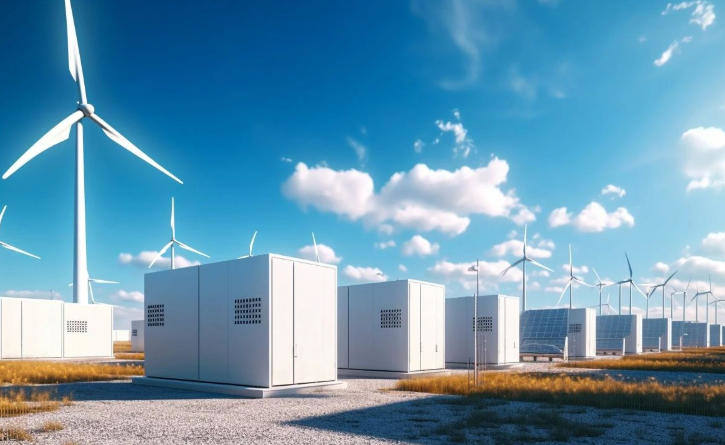
Critical energy materials typically refer to those minerals and metals that are indispensable for clean energy technologies (such as wind power, solar cells, electric vehicle batteries, etc.) and whose supply chains may face challenges. As the global energy structure shifts towards decarbonization, demand for these materials continues to grow, and ensuring their stable supply has become a focus for many countries. The upcoming U.S. Department of Energy assessment will focus on aspects such as the economic importance of materials, supply vulnerability, and substitutability to address potential supply chain disruption risks.
Interested organizations and individuals can submit written comments through official Department of Energy channels; the deadline will be announced separately. The Department of Energy encourages active participation from businesses, research institutions, environmental organizations, and ordinary citizens to ensure a transparent and inclusive assessment process. The collected feedback will be compiled and analyzed, serving as important input for the 2026 Critical Energy Materials Assessment report. The final results are expected to be made public to promote collaborative innovation and sustainable development in related fields.
Related Products


Hydraulic Turbine Genset
Dongfang Electric Corporation Dongfang Electric Machinery Co., Ltd.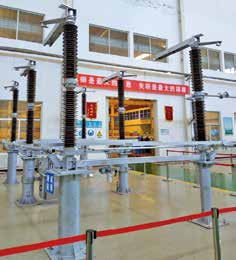
GW4-40.5/72.5/126/145/170/252/363/420 Series Double-column Horizontal Rotary High-voltage AC Disconnect Switch
SHANDONG TAIKAI DISCONNECTORS CO., LTD.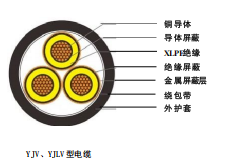
Rated Voltage 6-35kV Cross-linked Polyethylene Insulated Power Cable
TONGDING INTERCONNECTION INFORMATION CO., LTD.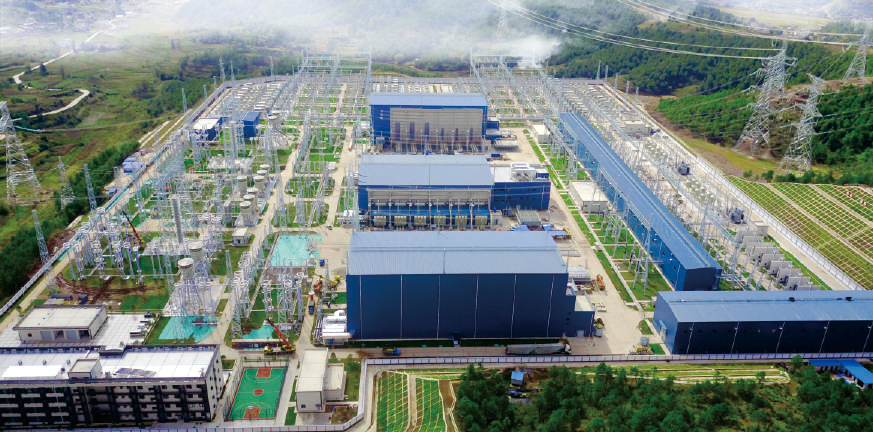
High-voltage Direct Current (HVDC) Transmission System Research and Integrated Design
XI'AN XD POWER SYSTEMS CO., LTD.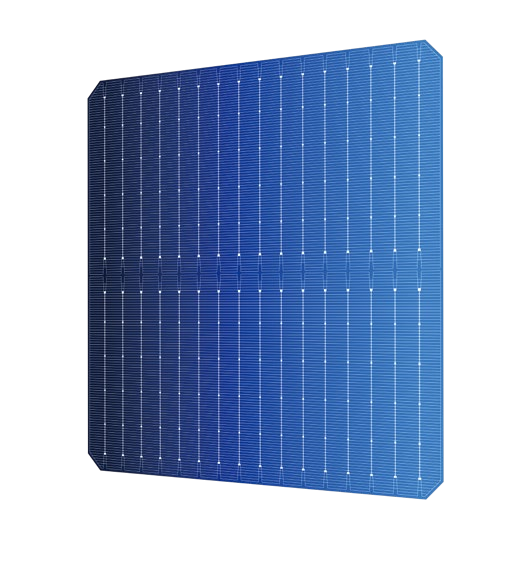
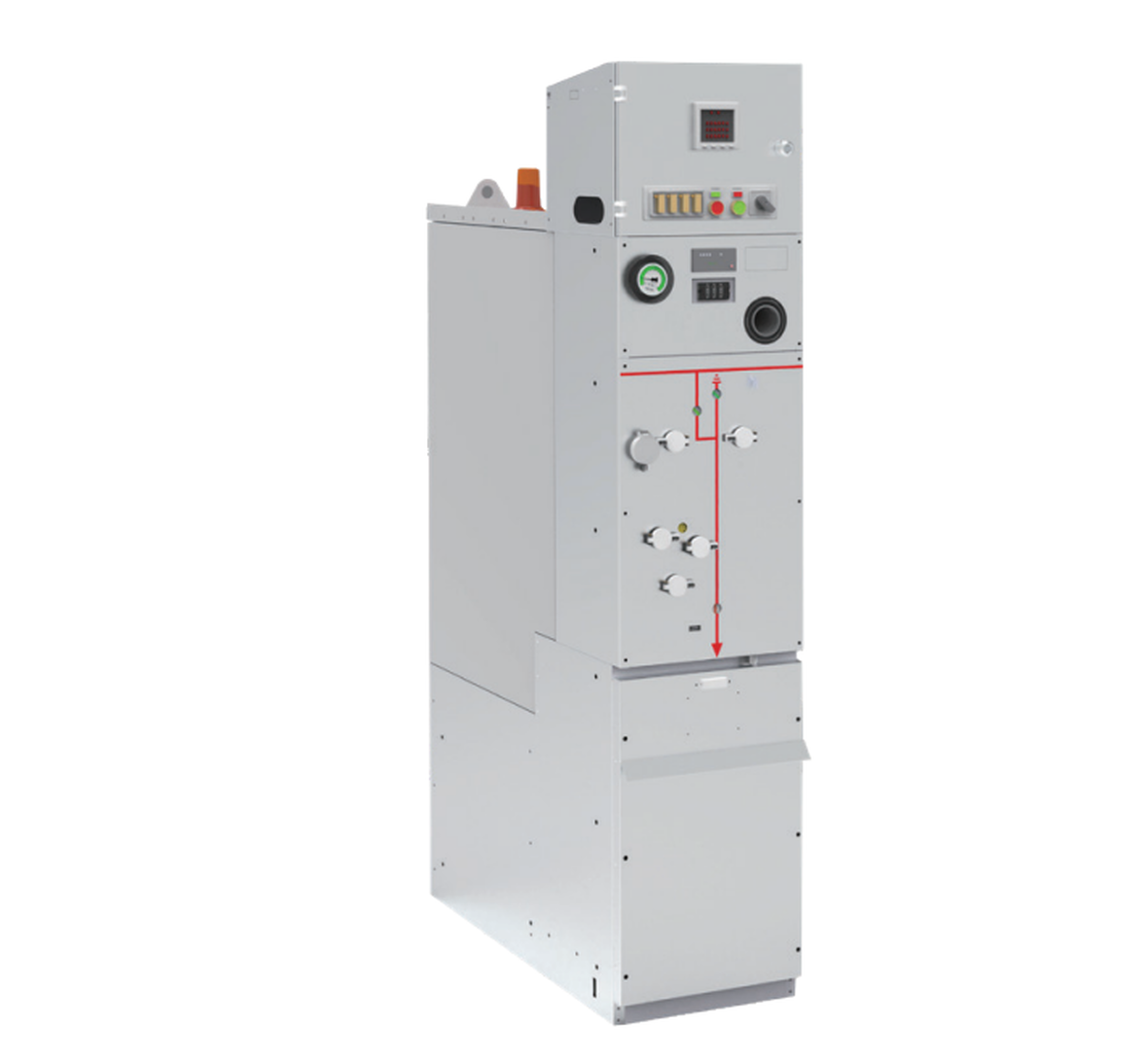
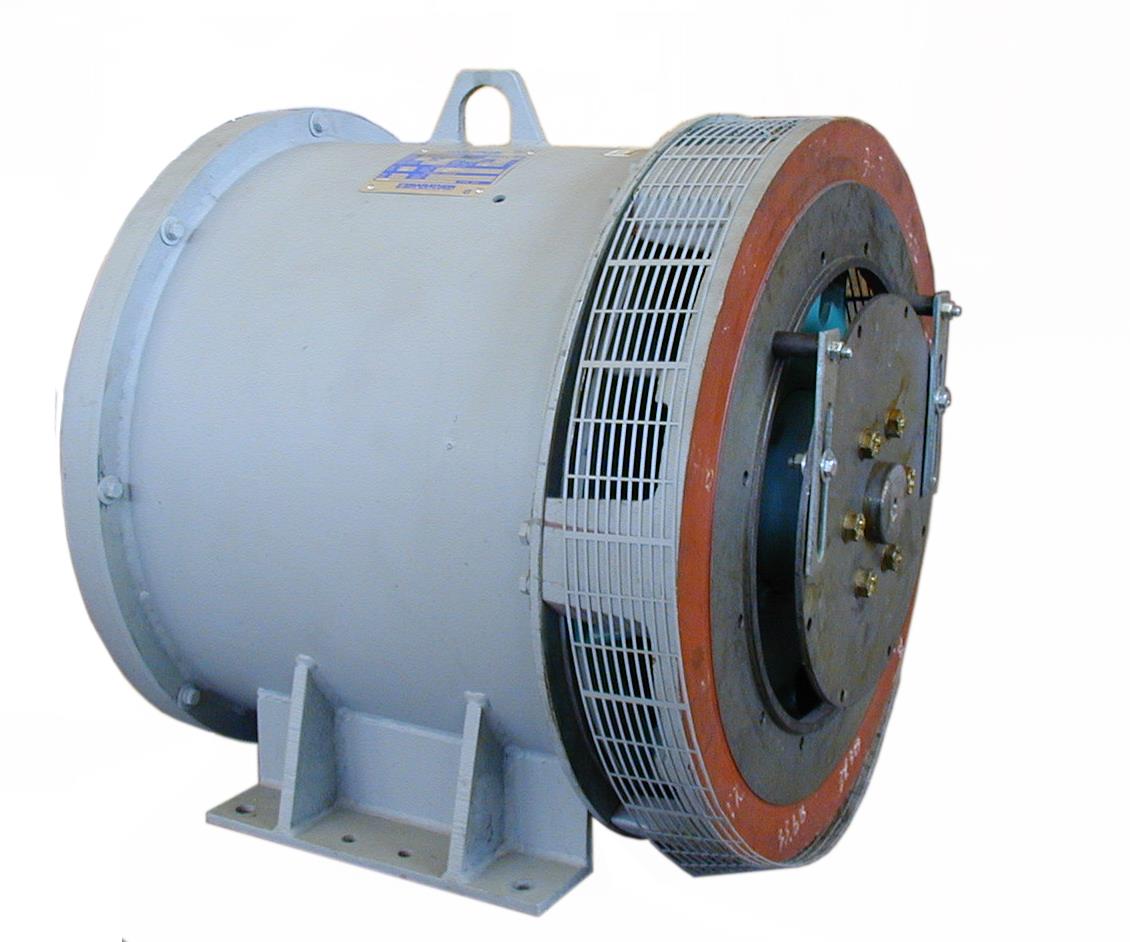
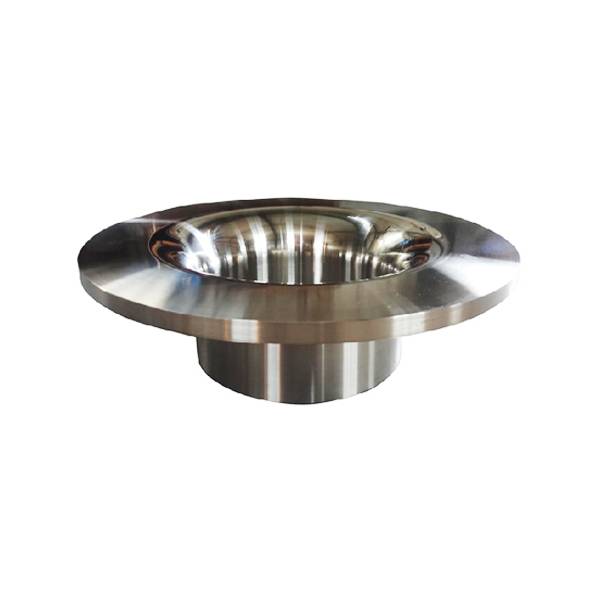
Standard Nozzle Flowmeter
Jinggong Automatic Control Instrument Complete Technology Development Company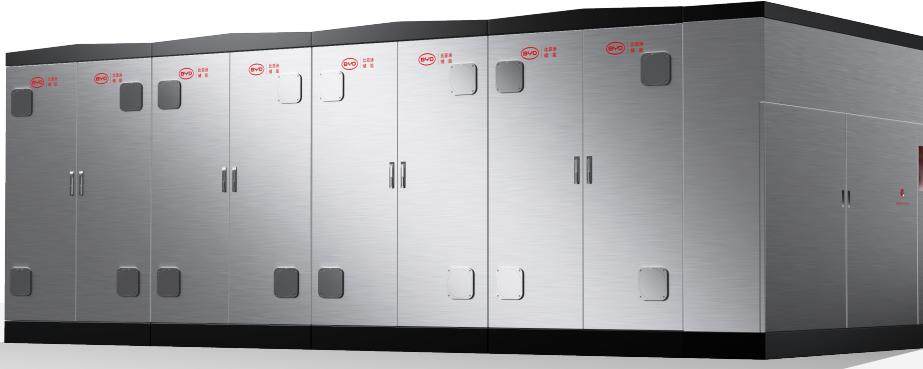
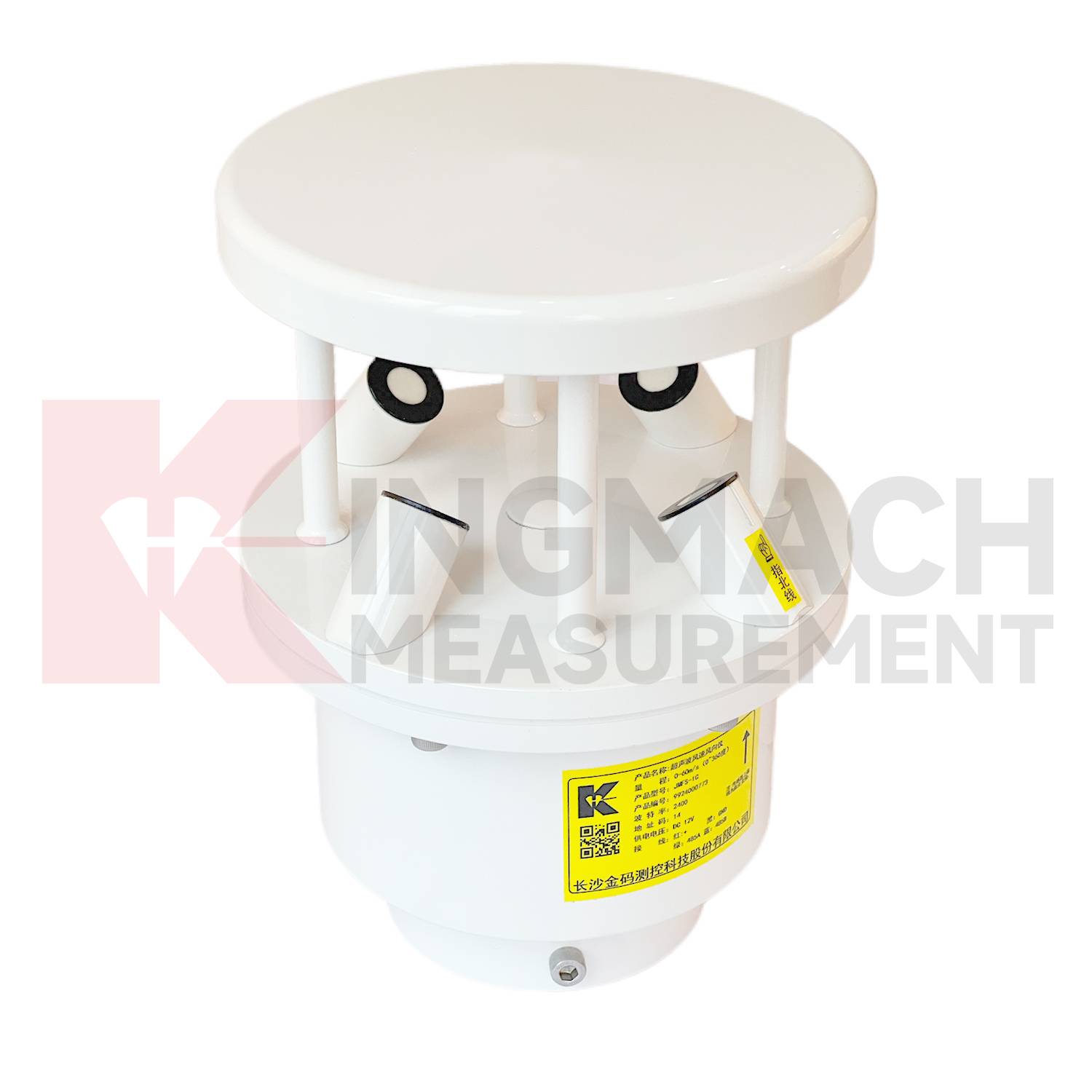
Ultrasonic Wind Speed and Direction Instrument
Kingmach Measurement & Monitoring Technology Co., Ltd.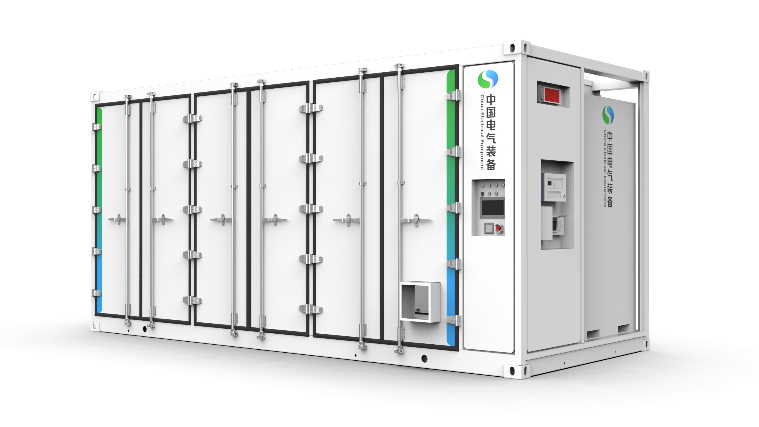
MESS8201-2507/5015-BN Prefabricated Liquid-cooled Energy Storage Battery Container
Xuchang Xuji Electric Science Energy Storage Technology Co., Ltd.