Wedoany.com Report on Feb 6th, According to a newly released white paper by the European Technology and Innovation Platform on Hydropower (ETIP Hydropower), climate change is altering water availability, energy demand, and infrastructure resilience, driving Europe's hydropower sector into a significant period of transformation. The report, titled "Hydropower and Climate Change: The Strategic Role of Hydropower in Adapting to and Mitigating the Impacts of Climate Change," states that hydropower is not only a technology vulnerable to climate impacts but should also serve as a foundational pillar for Europe's climate change adaptation and decarbonization goals.
The white paper reveals that changing hydrological conditions, rising temperatures, and the increasing frequency of extreme weather events have already impacted hydropower operations in Europe. Southern regions may face more severe water scarcity, while northern regions could benefit from increased precipitation. Simultaneously, earlier snowmelt, glacier retreat, and more intense rainfall present new operational challenges and innovation opportunities.
Hydropower currently accounts for approximately 152 GW of installed capacity in the EU, contributing about 12% of net electricity generation. Its core value lies in providing flexible, dispatchable renewable energy and large-scale, long-duration energy storage, particularly through pumped storage technology. The report clearly states: "Hydropower is one of the few renewable energy sources capable of balancing the fluctuations of wind and solar power across multiple time scales, from seconds to seasons." This flexibility, combined with frequency regulation, grid inertia, and black start capabilities, makes it a key technology for the stable operation of power grids with high shares of variable renewables.
Beyond power generation, hydropower's role in multi-purpose water resources management is becoming increasingly prominent. Reservoir and regulated river systems support functions such as flood control, drought mitigation, irrigation, navigation, and water supply. Under climate pressure, the importance of these services is further elevated, reinforcing the necessity for integrated water-energy-ecosystem planning.
To fully unlock its potential, ETIP Hydropower calls for a coordinated modernization of Europe's existing hydropower fleet. Priority actions include: upgrading aging infrastructure to enhance resilience to extreme weather; deploying digital tools for real-time monitoring and advanced hydrological forecasting; and selectively expanding reservoir capacity where environmentally and technically feasible.
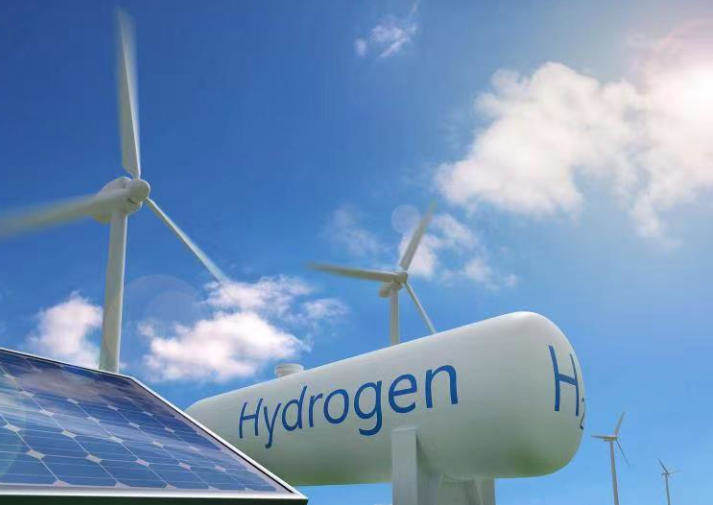
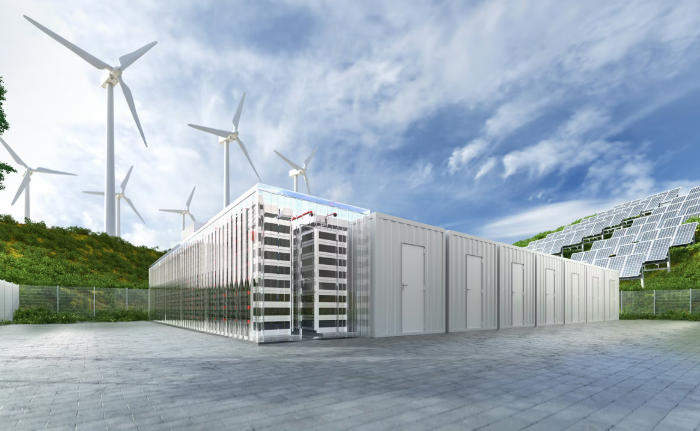
The report also highlights emerging innovation pathways, such as complementary hydropower-wind-solar hybrid systems, closed-loop pumped storage projects that reduce freshwater consumption, and developing new reservoirs at glacier forelands to replace shrinking natural ice storage. Cases from the Alpine region demonstrate that climate-driven water resource changes can be transformed into long-term resilience assets.
Cross-border cooperation is equally crucial. Many of Europe's major river basins are shared by multiple countries, making coordinated data sharing, joint basin management, and unified operational strategies essential for optimizing water use and mitigating climate risks.
ETIP Hydropower emphasizes that technological solutions alone are insufficient to ensure a successful transformation. A clear, stable, and consistent regulatory framework is needed to unlock the long-term investments required for modernization, digital upgrades, and the construction of new pumped storage capacity. Hydropower assets often operate for over a century, and regulatory certainty is a prerequisite for mobilizing large-scale public and private capital.
The report concludes that viewing hydropower as a strategic enabler rather than a traditional technology is crucial for building a climate-resilient power system. Through the appropriate combination of modernization, innovation, and policy support, hydropower is poised to remain at the heart of Europe's clean energy transition for decades to come.