Consultation Launched on Proposed Changes to New Zealand's Heavy Vehicle Rules, Aiming to Reduce Compliance Costs
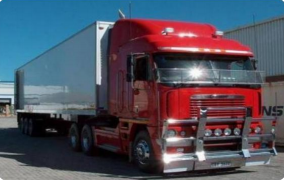
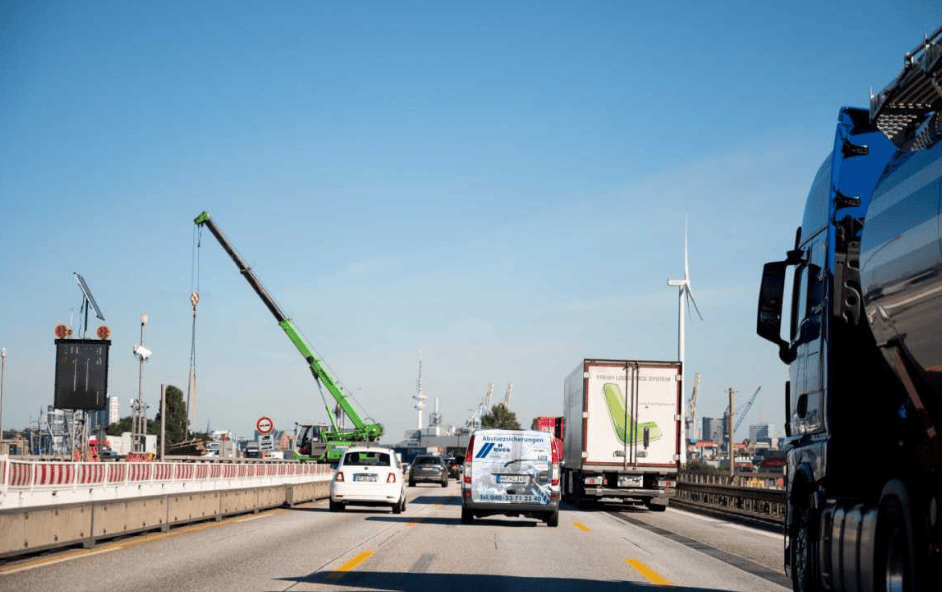
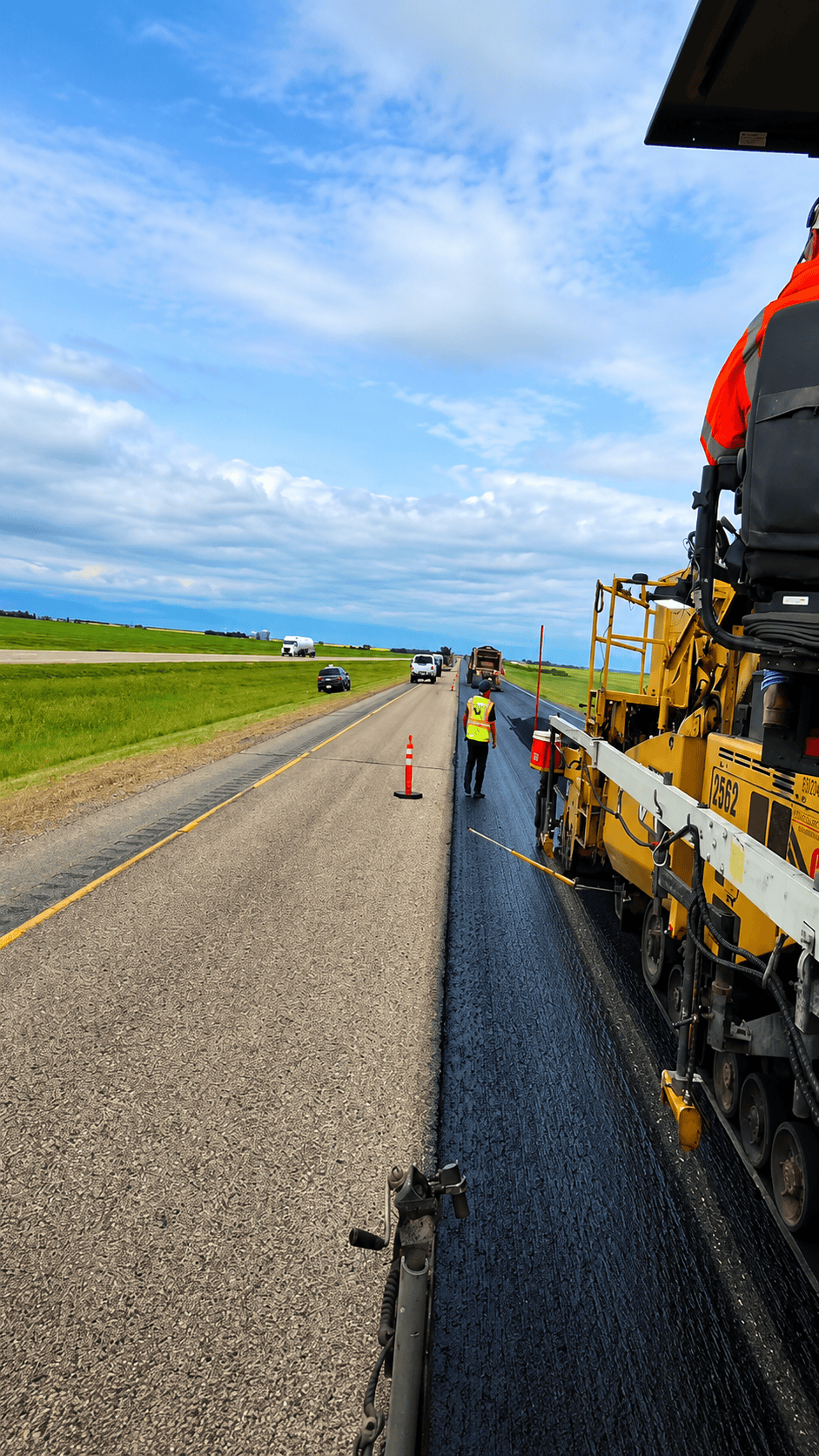
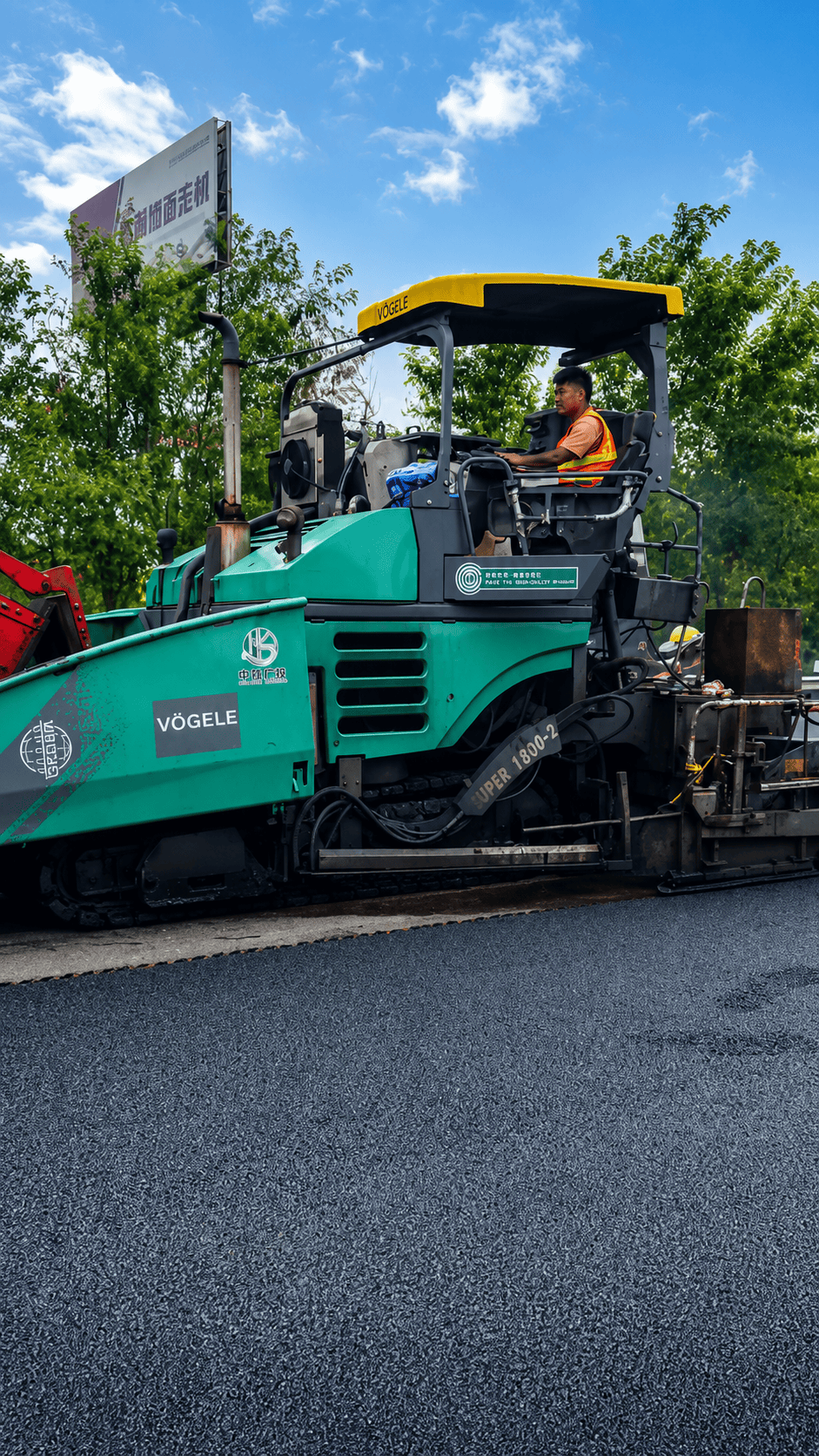
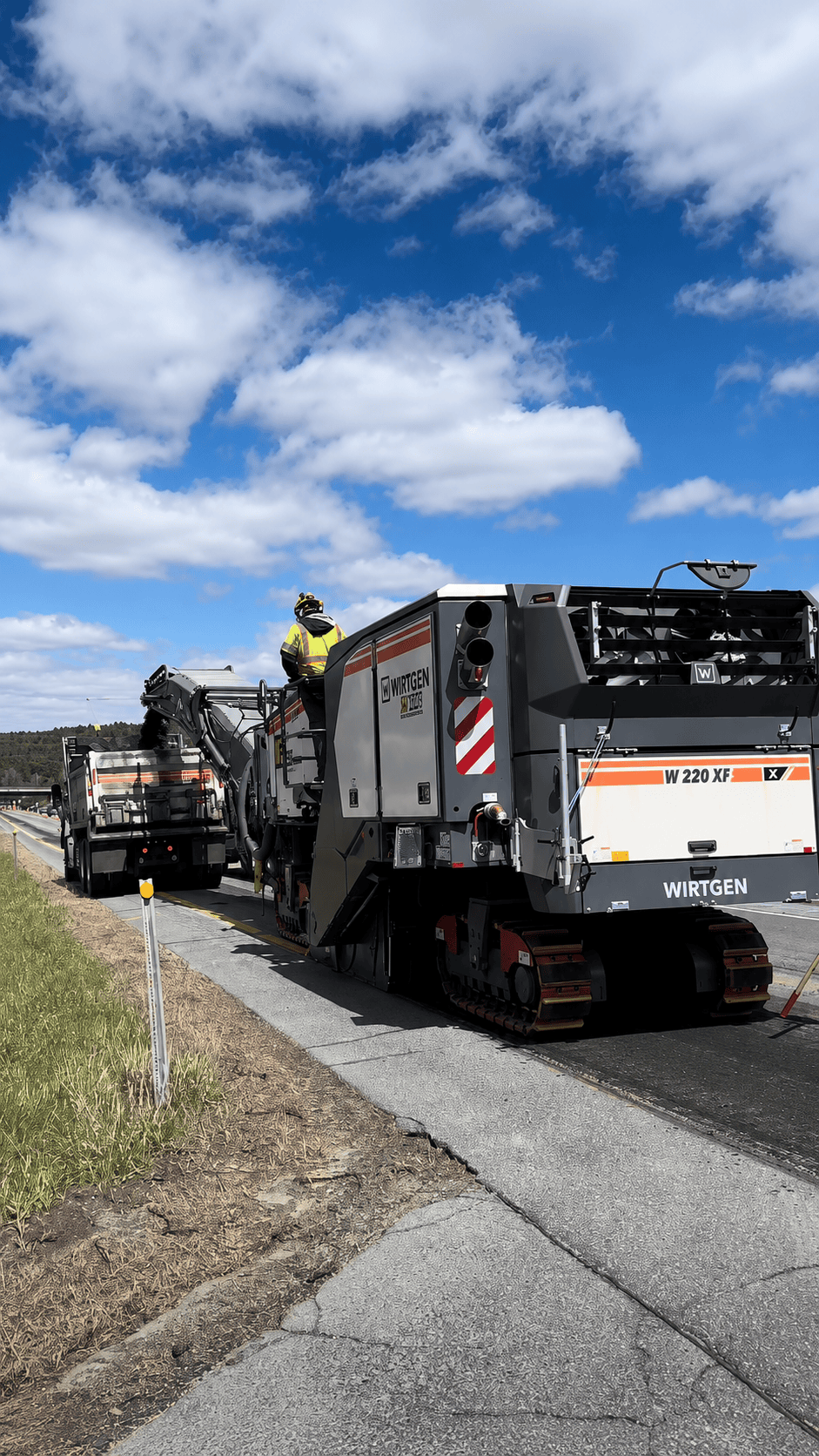
Wedoany.com Report on Feb 26th, The New Zealand government has initiated a public consultation on a series of proposed changes to heavy vehicle rules, aiming to reduce compliance costs for operators and update traffic regulations. Transport Minister Chris Bishop stated that these reforms are part of the government's plan to "get the basics right" for the transport system, with a key package focusing on heavy vehicles.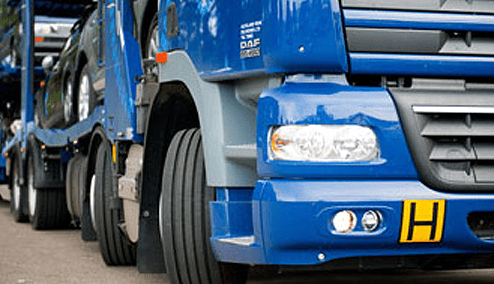
Bishop pointed out: "Freight is a key driver of the economy, and truck drivers are at the heart of the supply chain. We've heard from operators that existing rules create unnecessary delays and costs without improving safety." According to the proposals, certain permit requirements would be removed, such as allowing rental companies to move empty high-productivity motor vehicle (HPMV) truck and trailer combinations between depots and customers without additional permits to improve efficiency.
Driver's license regulations will also be adjusted. Holders of a Class 1 license will be permitted to drive zero-emission vehicles with a gross weight not exceeding 7,500 kilograms, while holders of a Class 2 license can operate electric buses with a gross weight not exceeding 22,000 kilograms and more than two axles. These changes address weight limit issues faced by light commercial vehicles and electric buses due to increased battery weight, with temporary exemptions previously in place to support the transition.
Other modifications include simplifying signage for load pilot vehicles and allowing overseas heavy vehicle license holders to convert their qualifications through tests or courses. Bishop emphasized: "These are practical, common-sense adjustments that will provide more certainty for operators, reduce compliance barriers, and support the transition to low-emission vehicles while keeping safety as the priority."
The heavy vehicle proposals run alongside another set of proposed changes to lane use rules, which involve allowing children under 12 to ride bicycles on footpaths, introducing mandatory passing gaps, and permitting e-scooters to use cycle lanes. The consultation period runs from February 25, 2026, to March 25, 2026, with submissions accepted through Waka Kotahi NZ Transport Agency.
Related Products


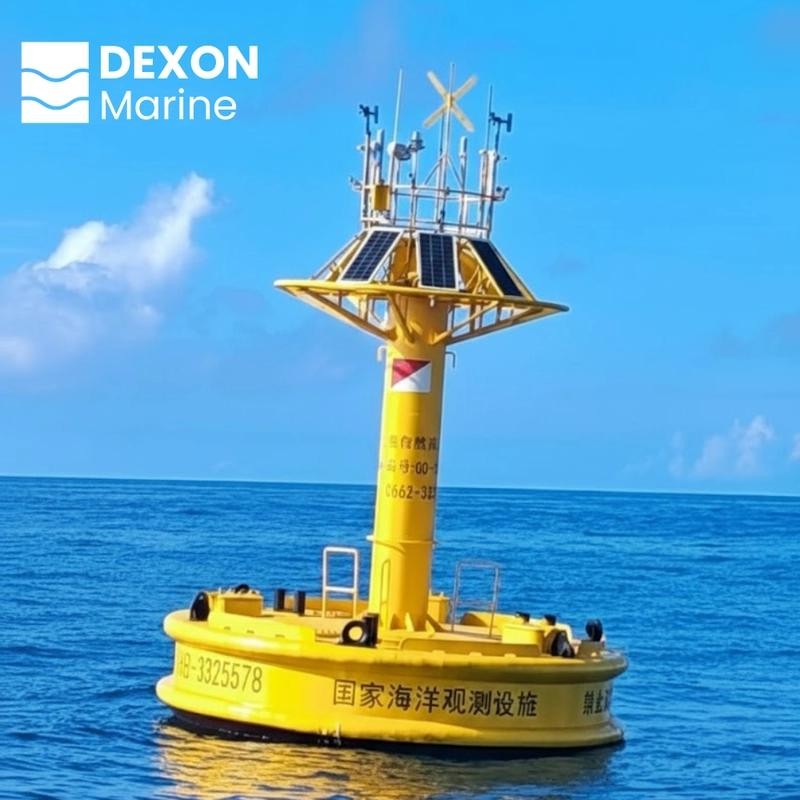
3m intelligent buoy combining navigation safety and real-time marine monitoring integrated navigation and marine monitoring system for real-time maritime data
Chengdu Dixin Technology Co., Ltd.
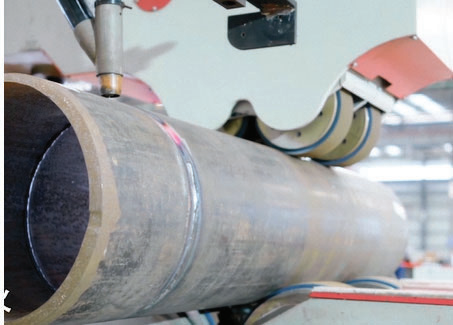


One-Stop Steward Service for the Entire Logistics System Integration Chain
Zhongding Intelligent (Wuxi) Technology Co., Ltd.