GAC Announces Patent for Humanoid Robot Autonomous Battery Swap: Mobile Swap Cabinet + Robotic Arm Enables Fully Automatic Battery Swap in Complex Environments
en.Wedoany.com Report, On March 24th, the patent for "An Autonomous Battery Swap System and Method for Humanoid Robots" applied for by GAC Components Co., Ltd. was officially announced. This patent focuses on the continuous operation capability of humanoid robots in complex environments. Through the collaborative design of a mobile battery swap cabinet and a robotic arm, it achieves unmanned automatic battery swapping, significantly enhancing the robot's operational duration and autonomy.
The patent abstract shows that the system includes a humanoid robot main body and a mobile chassis, with the battery located inside the mobile chassis. The mobile battery swap cabinet comprises the cabinet body and a robotic arm. When the robot's battery is low, it can autonomously navigate to the mobile swap cabinet, where the robotic arm completes the removal of the old battery and installation of a new one, with the entire process requiring no manual intervention. This design breaks through the current bottleneck of limited endurance for humanoid robots, enabling them to replenish energy without relying on human assistance, thus adapting to continuous operation scenarios.
From a technical perspective, the battery swap solution announced by GAC has two main innovations: first, integrating the swap equipment into a mobile cabinet rather than a fixed charging station, allowing the swap point to be flexibly deployed according to the operational area; second, automating the swap operation through a robotic arm, solving the difficulty of robots themselves performing precise disassembly and assembly tasks. The combination of these two aspects forms a closed-loop autonomous energy management system of "mobile swap cabinet + robot."
As humanoid robots move from the laboratory to practical applications, endurance has always been a key limiting factor. Currently, mainstream humanoid robots typically have an endurance of 1 to 2 hours, making it difficult to meet the demands of long-duration operation scenarios such as industrial inspection, logistics handling, and commercial services. GAC's announced autonomous battery swap solution, by replacing "charging" with "swapping," is expected to increase the robot's continuous operation time from hours to days or even longer.
GAC's efforts in the robotics field are not an isolated case. In recent years, several automotive OEMs have accelerated their expansion into the humanoid robot track, leveraging their technological accumulations in areas such as power batteries, motor control, and intelligent driving. The announcement of this autonomous battery swap patent represents both GAC's technological reserves in robot energy management and reflects the high level of synergy between the automotive and robotics industries in underlying technologies. As this patented technology is gradually implemented, the practical application process of humanoid robots in industrial, commercial, and special application scenarios is expected to further accelerate.
Related Products


GYTA Type Non-Self-Supporting Aerial/Duct Optical Cable
TONGDING INTERCONNECTION INFORMATION CO., LTD.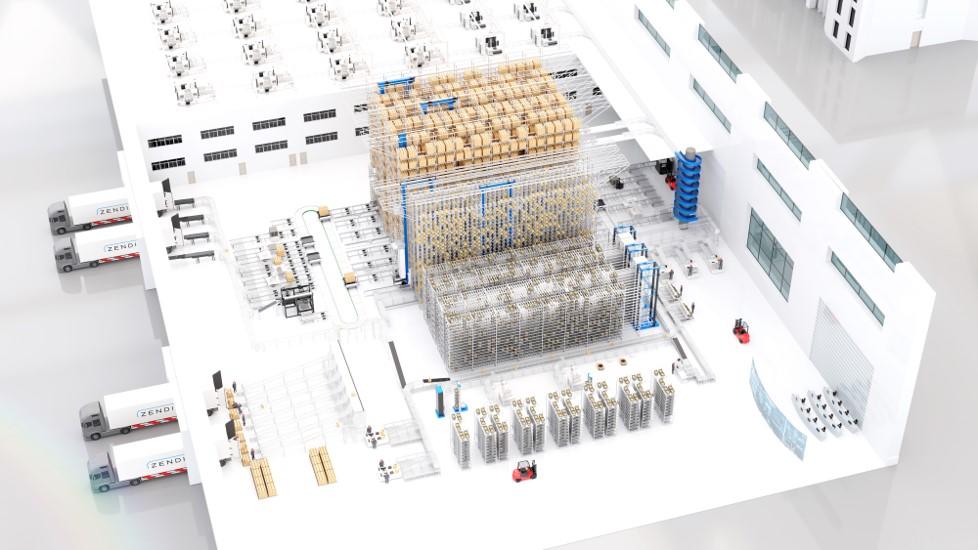
One-Stop Steward Service for the Entire Logistics System Integration Chain
Zhongding Intelligent (Wuxi) Technology Co., Ltd.
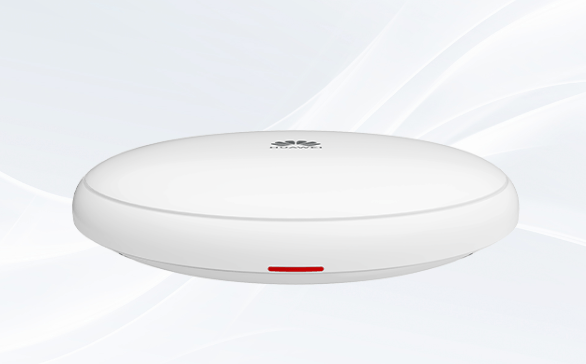

20 Inch 1600*900 Full HD 60Hz TFT LED Monitor with VGA and DP Interfaces for Desktop Computers-Business Use
Guangzhou Zanying Optoelectronics Technology Co., Ltd.
Industrial and Commercial Point-Type Gas Detector
Jinan Benan Technology Development Co., Ltd.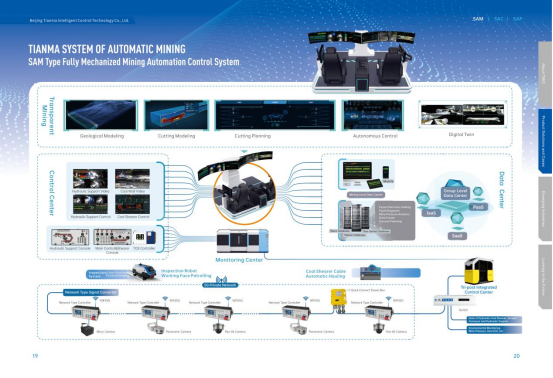
Comprehensive Mining Automation Control System
Beijing Tianma Intelligent Control Technology Co., Ltd.

G.652.D Wavelength-extended Non-dispersion Shifted Single-mode Optical Fiber
HONGAN GROUP CO., LTD.
Mine Explosion-proof and Intrinsically Safe Industrial Ethernet Ring Network (10 Gigabit/Gigabit)
Chongqing Mas Sci&Tech Co., Ltd.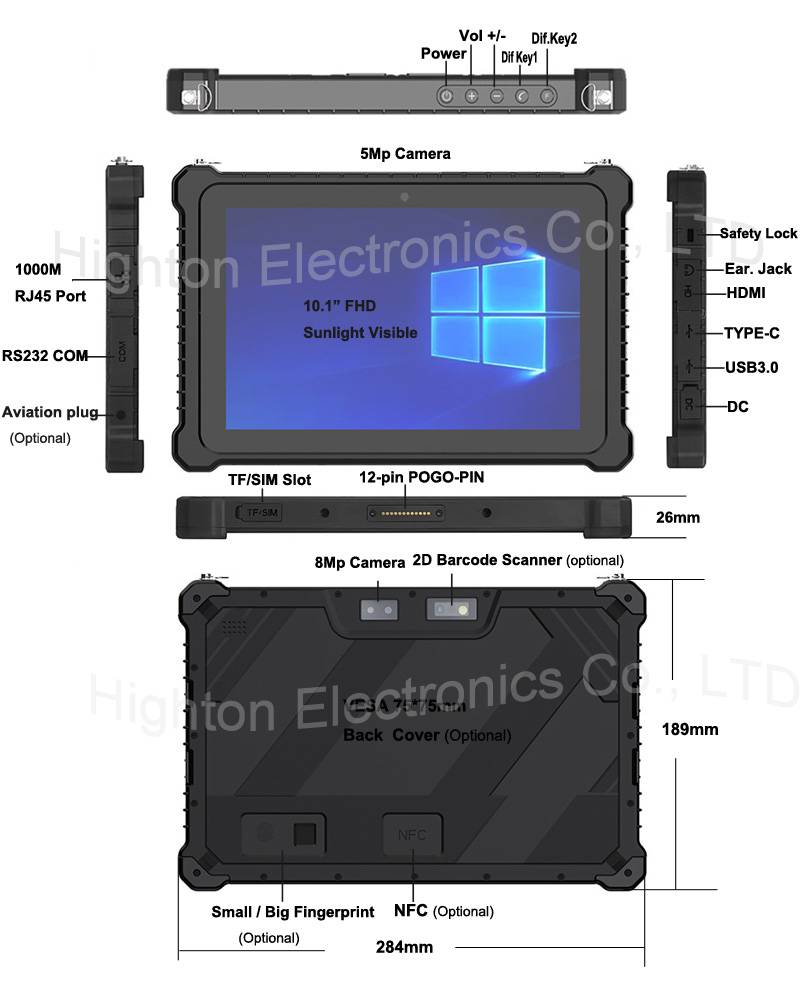
Hot Selling 10 Inch Intel N5100 I5 I7 FHD 8 +128GB 16+256GB Win10 Pro Win11 Pro 4G 5G Rugged Tablet PC Pad with NFC Barcode
Highton Electronics Co., Ltd.
Automatic Aiming Laser Remote Obstacle Removal Robot
Pinggao Group Weihai High-Voltage Apparatus Co., Ltd.