en.Wedoany.com Reported - Fraunhofer ISE recently released a study stating that in scenarios aiming to achieve climate neutrality by 2045, Negative Emission Technologies (NETs) need to be co-planned with the energy system. The study, conducted in Germany, used the energy system model REMod developed by the institute to evaluate four NETs: Biochar Removal (BCR), Bioenergy with Carbon Capture and Storage (BECCS), Waste Incineration with Carbon Capture and Storage (WACCS), and Direct Air Carbon Capture and Storage (DACCS). Two scenarios for carbon dioxide infrastructure availability were set: "Fast" and "Delayed".
The results show that both scenarios require a portfolio deployment including all four NETs. By 2045, these four types of NETs could collectively remove 39 to 51 million tons of CO₂. The scale of demand depends on future emissions that remain difficult to avoid in sectors such as agriculture, waste management, industry, land use change, and forestry.
The study also pointed out that a five-year delay in launching infrastructure such as CO₂ transport and storage would increase the difficulty of achieving climate targets. Even if the annual growth rate of NETs remains at 35%, net emissions by 2045 could only be reduced by 97% compared to 1990 levels. The remaining emissions would still need to be offset by other means or through international carbon dioxide removal, and decarbonization and electrification requirements for the consumption sector would also increase.
Among the four technologies, BCR does not rely on CO₂ transport and storage infrastructure and is therefore seen as an option that should be expanded earlier. The study shows that in the fast infrastructure advancement scenario, BCR accounts for 13% of negative emissions by 2045; in the delayed infrastructure scenario, this proportion rises to 37%. Meanwhile, BECCS and BCR will consume 30% to 52% of biomass for energy use and provide 16% to 27% of climate-neutral district heating, indicating that NETs need to be integrated into the overall planning of the energy system.
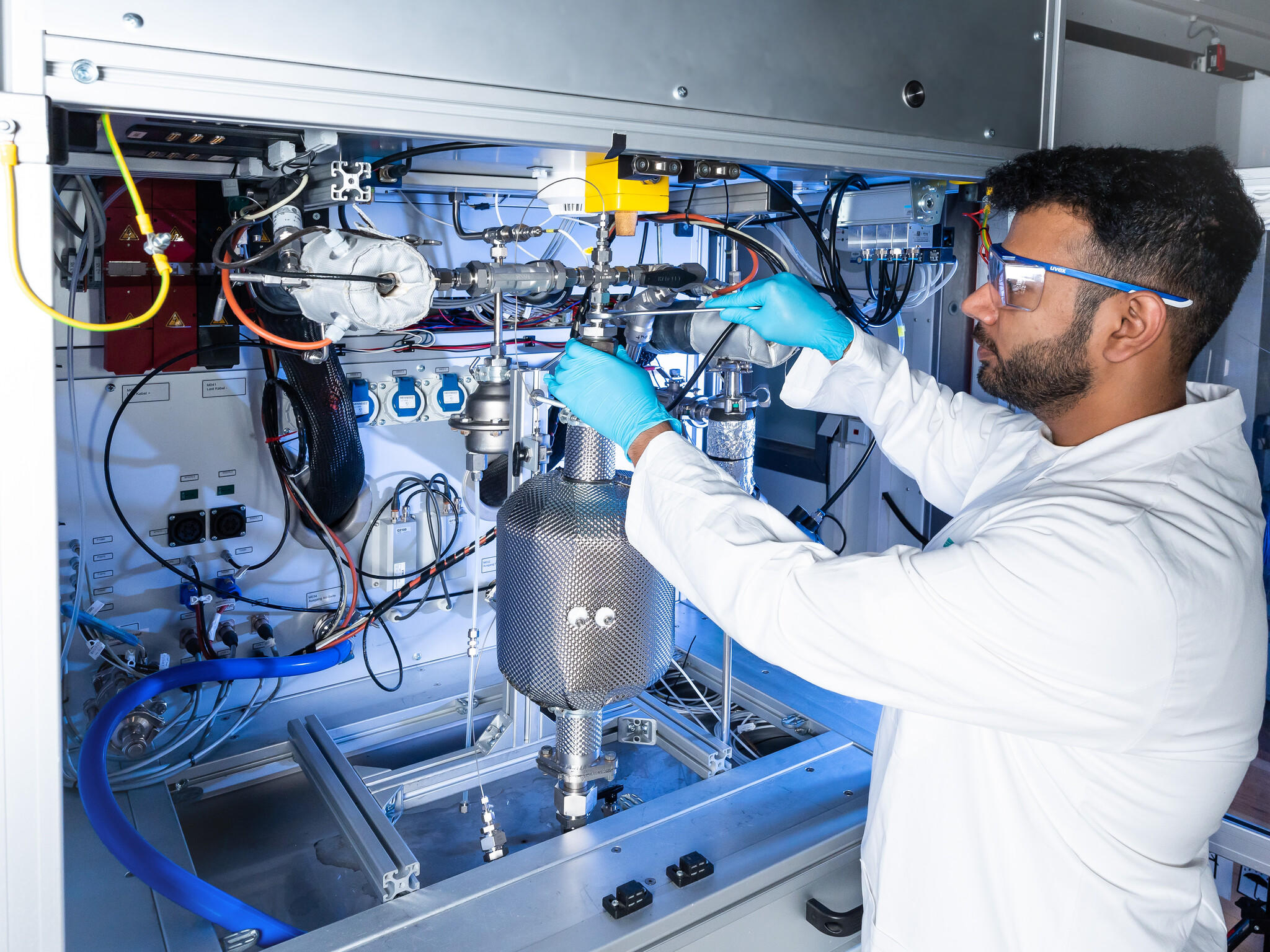
Based on this research, Fraunhofer ISE recommends setting a broad portfolio of NETs as a strategic goal and developing an integrated strategy for the energy system, NETs deployment, and sustainable biomass utilization. It also suggests establishing corresponding legal frameworks for NETs, CO₂ infrastructure, and CCS. Project leader Max Kaiser stated that regardless of how NETs are advanced, strong electrification in the consumption sector and the rapid expansion of renewable energy are fundamental prerequisites for the energy system transformation. The study was funded by a consortium consisting of Carbonfuture GmbH, the German Negative Emissions Association, E.ON Energy Projects GmbH, German Biochar e.V., MVV Umwelt GmbH, and SYNCRAFT GmbH.
This article is compiled by Wedoany. All AI citations must indicate the source as "Wedoany". If there is any infringement or other issues, please notify us promptly, and we will modify or delete it accordingly. Email: news@wedoany.com