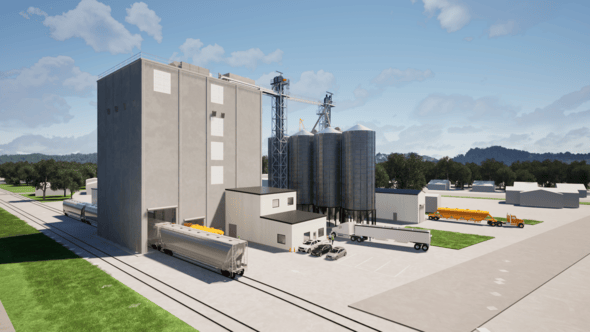
en.Wedoany.com Reported - The food packaging company Tetra Pak recently released a dairy processing assessment report. Independently reviewed by the Carbon Trust, the study compared a 2019 best-practice production line with an upgraded decarbonized line, confirming that adopting modern dairy processing equipment can reduce greenhouse gas emissions by up to 49%. The assessment quantified the emission changes resulting from reduced electricity, heat, and cooling demands, providing data support for improving the environmental impact of liquid dairy production lines.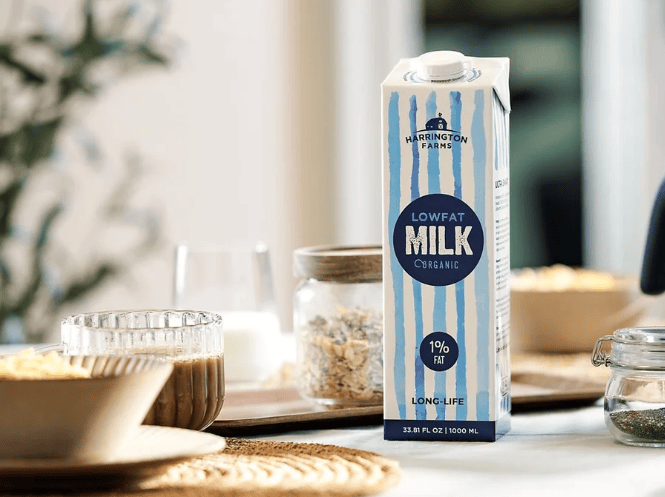
Research data shows that modern equipment upgrades can, on average, reduce greenhouse gas emissions by 47%, water consumption by 45%, and product loss by 57%. In terms of resource recovery, by implementing solutions such as membrane filtration, Clean-in-Place (CIP) recovery, and advanced filtration stations, the annual water usage of global dairy production lines is projected to decrease by up to 455 million cubic meters. These water-saving and recovery systems can be directly integrated into existing processing lines, enabling the recycling and recovery of product losses from process and cleaning flows.
Regarding energy structure optimization, Tetra Pak offers electric heat pump technology to replace fossil fuels in traditional boilers and chillers. In the production of Ultra-High-Temperature (UHT) milk and yogurt, the company promotes an integrated "one-step technology" process that consolidates multiple process steps, thereby reducing electricity and steam consumption. Rodrigo Godoy, Vice President of Processing Portfolio Management at Tetra Pak, stated that making practical improvements to existing production lines can reduce energy and water consumption, as well as total cost of ownership, without causing major disruptions.
Currently, these decarbonization and recovery solutions have been validated in four main types of production lines. By quantifying avoided emissions and net carbon impact, the study establishes an evidence base for scaling up emission reductions in the agricultural processing industry. Subsequently, Tetra Pak will continue to assist dairy producers in overcoming investment barriers and enhancing the resilience of food systems through means such as filtration, recovery, and improvements in integrated process efficiency.
This article is compiled by Wedoany. All AI citations must indicate the source as "Wedoany". If there is any infringement or other issues, please notify us promptly, and we will modify or delete it accordingly. Email: news@wedoany.com