en.Wedoany.com Reported - Hanif Faizul Nurofiq, Head of the Indonesian Environment and Environmental Control Agency, stated that the Jambi waste-to-energy treatment facility project is a crucial component of Indonesia's waste management system transformation. The project will rely on renewable energy treatment methods to centrally process approximately 670 tons of urban waste generated daily in the Jambi metropolitan area. This project aligns with Presidential Regulation No. 109 of 2025, with the construction goal of replacing the traditional model solely reliant on landfills and promoting the integration of waste from Jambi City and Muaro Jambi Regency into a unified treatment system.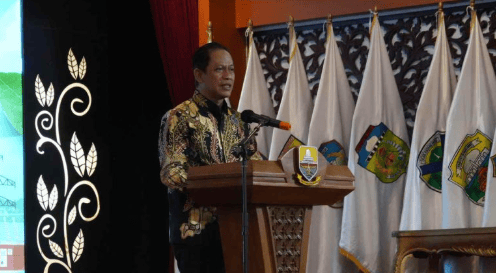
Based on current waste flow estimates, the Jambi metropolitan area generates approximately 670 tons of garbage daily, with Jambi City contributing about 446 tons and Muaro Jambi Regency about 224 tons. The planned waste-to-energy treatment facility will cover the entire waste volume. This means that once the project is completed, Jambi's existing municipal solid waste will shift from decentralized disposal to centralized collection, transportation, and energy conversion treatment, extending the processing chain from collection and transportation to end-use.
The Indonesian Ministry of Environment views this agreement as the first critical milestone for the implementation of the Jambi waste-to-energy project. Hanif emphasized that the facility's efficient and continuous operation after completion depends on the stable collaboration of all participating parties during both the construction and operational phases. For the project, this stage is not merely about signing cooperation arrangements but also about preparing in advance for subsequent construction, feedstock supply, and operational standards.
Jambi Governor Al Haris stated that waste management has long been a complex issue in local governance, and the waste-to-energy facility provides a new treatment pathway to address this problem. The project will be advanced through cross-regional cooperation, with a focus on ensuring a continuous supply of garbage as feedstock for power generation. The tasks for local governments within this mechanism have been clearly defined, including providing project land, maintaining a stable collection and transportation system, and ensuring the quality of waste entering the plant meets operational requirements.
From the perspective of project organization, the Jambi waste-to-energy facility is no longer just the construction of a single plant but involves simultaneous efforts in land security, waste collection, feedstock supply, and terminal treatment. According to the Ministry of Environment, this project will subsequently serve Indonesia's comprehensive waste treatment goals and promote the formation of a modern, continuously operating urban waste management system in Jambi.
This article is compiled by Wedoany. All AI citations must indicate the source as "Wedoany". If there is any infringement or other issues, please notify us promptly, and we will modify or delete it accordingly. Email: news@wedoany.com