STV Designs Climate Resilience Solutions for U.S. Wastewater Treatment Plants
en.Wedoany.com Reported - The U.S. wastewater treatment industry is facing the challenge of increasingly frequent and severe extreme weather events. Compound flood events, where heavy rainfall coincides with high river levels, coastal storm surges, or tidal influences, have significantly increased. The flood scenarios generated by these superimposed conditions may exceed legacy design standards, posing a test even for relatively new facilities.

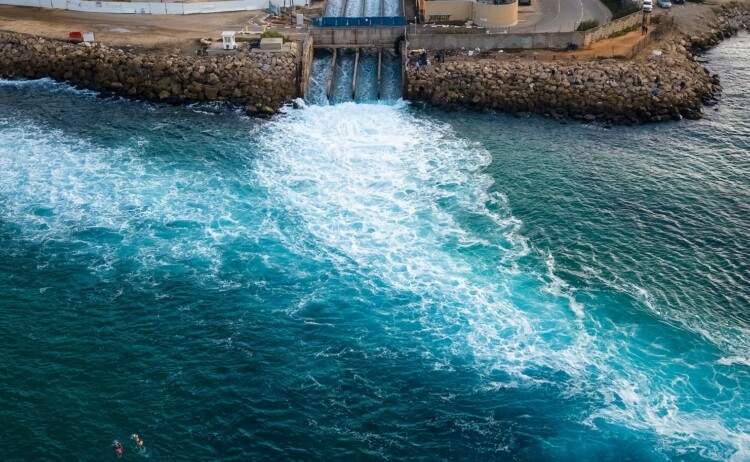
Traditional designs assume that gravity discharge remains available during storm events. However, when downstream water levels rise, gravity discharge systems can become less efficient or fail completely, with backwater propagating upstream. The system shifts from a gravity-driven mode to an operational mode reliant on temporary storage and pumping. This interaction between inflow and downstream boundary conditions has become an increasingly important consideration in vulnerability assessments.
Effective adaptive retrofits typically begin by identifying systems that must remain operational, including power distribution equipment, motor control centers, monitoring systems, disinfection processes, and critical pump stations, and then assessing how floodwaters might enter and impact these functions. Successful solutions often combine perimeter protection, building-level floodproofing, equipment hardening, selective elevation, and operational redundancy, rather than relying on a single measure.
At a large regional wastewater treatment plant in New Jersey with a daily treatment capacity of 330 million gallons, the utility implemented an STV-designed perimeter floodwall surrounding the approximately 140-acre site, complemented by site drainage improvements and emergency power capacity expansion. This project demonstrates a fundamental difference between flood protection for wastewater treatment plants and conventional buildings—treatment plants cannot be shut down during storm events; inflow continues to arrive, and biological treatment processes must remain stable. At a coastal water resource recovery facility in New York built in the 1930s, STV assisted in implementing projects including deployable flood barriers, permanent floodwalls, flood gates, and the selective elevation of electrical and control equipment.
In the design of new facilities, an increasing number of projects are beginning to plan for conditions where gravity discharge may be restricted for extended periods. Key considerations include elevating critical infrastructure, incorporating staged pumping redundancy, and providing sufficient on-site storage capacity. Whether for retrofits or new construction, constructability should be considered a primary design consideration, with flood protection measures needing to account for temporary operations, maintenance access, and emergency response from the outset.
This article is compiled by Wedoany. All AI citations must indicate the source as "Wedoany". If there is any infringement or other issues, please notify us promptly, and we will modify or delete it accordingly. Email: news@wedoany.com
Related Products
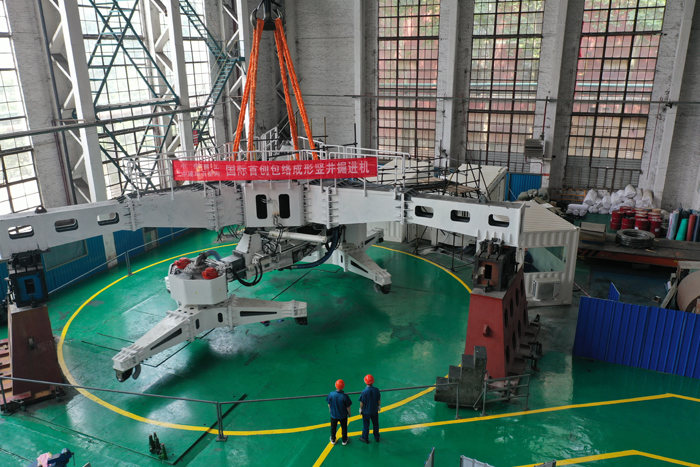

CITIC Heavy Industries Tunneling Equipment Tunnel Engineering Shield Machine
CITIC Heavy Industries Co., Ltd.
Ultra-Pure Ferrite Stainless Steel Products
Gansu JISCO Group Hongxing Iron and Steel Co., Ltd.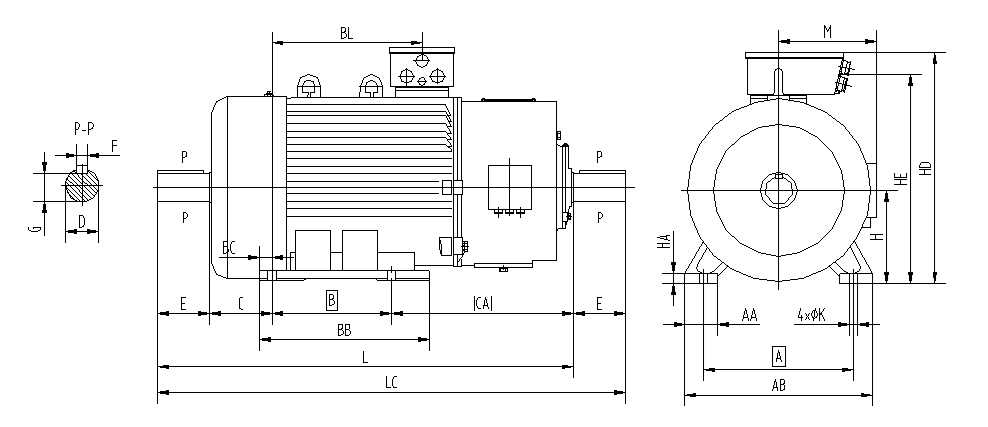
YZR (450-560) Series Wound Rotor Three-Phase Asynchronous Motors for Crane and Metallurgical Applications
Jiamusi Electric Machine Co., Ltd.
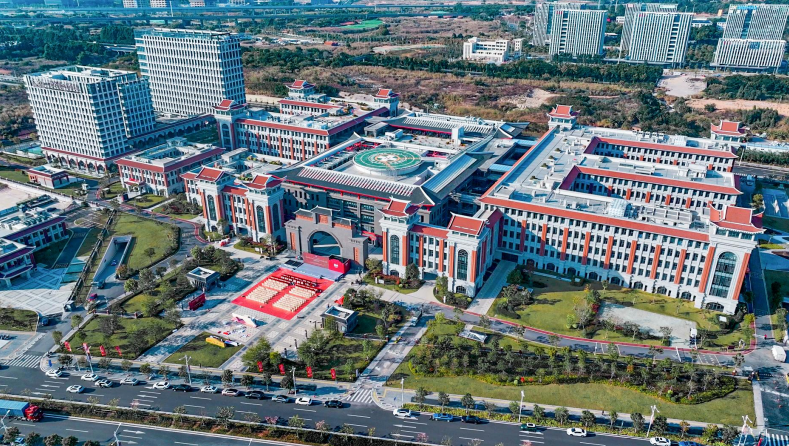
West China Xiamen Hospital of Sichuan University
Wuhan Huakang Century Clean Technology Co., Ltd.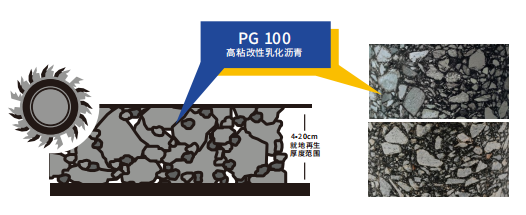
High-toughness in-Situ Cold Recycling Technology for Original Structural Layers
Central Fortune Creation Technology Group Co., Ltd.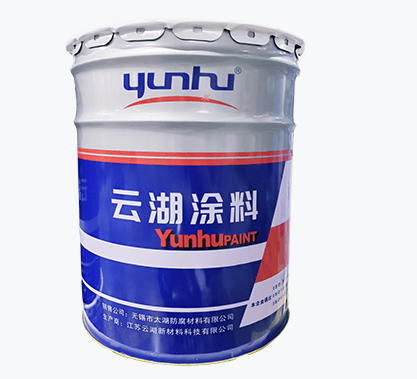
YHTank8400N Solvent-Free Liquid Epoxy Coating
JIANGSU YUNHU NEW MATERIAL TECHNOLOGY CO., LTD.
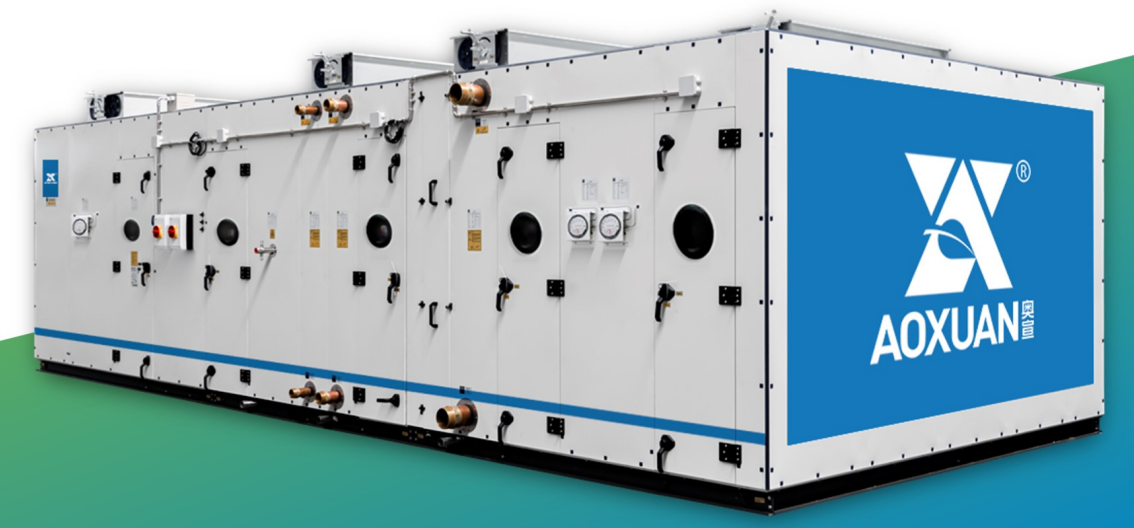
Aoxuan Intelligent Precision Air Conditioning Unit
SHANGHAI AOXUAN PURIFICATION TECHNOLOGY CO., LTD.