Seagate's HAMR Technology Drives Mass Shipments of 30TB HDDs, AI Demand Fuels Counter-Cyclical Growth in the HDD Market
en.Wedoany.com Reported - Against the backdrop of a structural shift in global data storage demand, the traditional mechanical hard drive market is experiencing a strong, AI-driven recovery. Both U.S.-based Seagate Technology and Western Digital have confirmed that their nearline HDD production capacity for the full year 2026 is essentially sold out, with some long-term agreements extending even to 2028. Seagate CEO Dave Mosley explicitly stated during the earnings call that the company's nearline capacity for calendar year 2026 has been fully allocated, and discussions with customers regarding orders for the first half of 2027 have already begun. In this tight supply-demand balance, Seagate has taken the lead in achieving mass shipments of 30TB high-capacity drives using its Heat-Assisted Magnetic Recording (HAMR) technology, becoming the core driving force behind this round of counter-cyclical growth in the HDD market.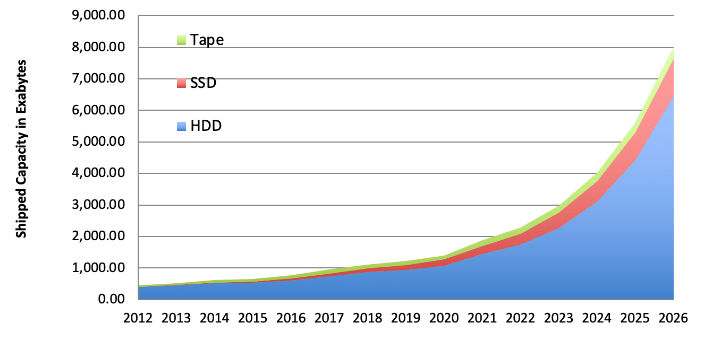
Seagate's HAMR technology roadmap has entered the mass production acceleration phase. In July 2025, Seagate officially began global channel deliveries of its 30TB Exos M enterprise hard drives and IronWolf Pro NAS hard drives based on the Mozaic 3+ platform, marking HAMR technology's transition from the lab to large-scale commercialization. As of April 2026, cumulative shipments of Seagate's HAMR drives had exceeded 1 million units, validating the product maturity of the Mozaic platform. In late March this year, mass production and delivery of the second-generation HAMR product, the Mozaic 4 series, commenced, with per-drive capacity jumping to 44TB. This series is expected to account for the dominant share of HAMR drive shipments by the end of this year. The next-generation Mozaic 5 series targets a capacity of 50TB, with initial samples planned for customer submission by the end of 2027.
Financial data corroborates the strong boost HAMR technology provides to Seagate's performance. In the third quarter of fiscal year 2026, Seagate achieved revenue of $3.11 billion, a year-over-year increase of 44%, significantly exceeding the market consensus estimate of $2.96 billion. Net profit reached $748 million, more than doubling from the $340 million recorded in the same period last year. Non-GAAP gross margin climbed to 47%, far surpassing the roughly 30% level historically maintained by the HDD business. Total HDD exabyte shipments for the quarter reached 199EB, a 39% year-over-year increase, with the data center business contributing 80% of total revenue, corresponding to $2.5 billion, a 55% year-over-year increase. Seagate CEO Dave Mosley defined this growth trajectory as storage products entering a "new era of structural growth."
From a global industry landscape perspective, the HDD market is exhibiting a clear oligopolistic structure. Currently, only three mechanical hard drive manufacturers remain globally—Seagate, Western Digital, and Japan's Toshiba—with Seagate and Western Digital together commanding over 80% of the market share. The surge in demand for massive storage from AI data centers is the fundamental driver of this HDD boom cycle. In 2026, the combined capital expenditure of the world's top nine cloud service providers is projected to reach approximately $830 billion, a 79% year-over-year increase, directly fueling full-stack demand for HBM, server DRAM, enterprise SSDs, and HDDs. Over 60% of HDD shipments are directed to nearline application scenarios, serving the large-scale storage needs of AI training data. An analysis by Tom's Hardware points out that HDDs, with their cost-per-terabyte advantage, play an irreplaceable role in AI data centers, with global data center storage capacity demand expected to reach 3.19ZB by 2029, growing at a compound annual growth rate of 19.5%.
Facing a market situation where demand outstrips supply, Seagate has chosen a growth path of replacing capacity expansion with technological upgrades. CEO Mosley made it clear that the company currently has no plans to expand manufacturing capacity; growth momentum will come entirely from the iteration of higher-capacity drives, not from increasing unit output. This strategy aligns with trends in the memory chip industry—satisfying the ever-expanding total storage demand by increasing areal density per platter while maintaining higher profitability levels in a highly saturated capacity environment. An analysis by MyDrivers points out that since 2025, the HDD industry has bottomed out and rebounded. Although shipment volume increases have been limited, the product mix has comprehensively shifted towards high-capacity models, with both Seagate and Western Digital's quarterly exabyte shipments expected to exceed 200EB, leading to significantly improved profit margins.
In this HDD technology race, Seagate has seized the initiative by being the first to mass-produce HAMR drives, but competitors are also accelerating their catch-up efforts. Western Digital's HAMR products are expected to complete validation with cloud service providers by the end of 2026 and begin mass production in 2027, with its roadmap similarly targeting the 100TB milestone by 2030. Toshiba continues to adhere to its Flux Control Microwave-Assisted Magnetic Recording (FC-MAMR) technology path, continuing its iteration despite a relatively lower profile. HAMR technology works by using a laser to instantaneously heat the disk surface to over 400 degrees Celsius, making magnetic grains easier to write to, thereby boosting areal density to over 1.74Tb per square inch, making it the current mainstream technological path for breaking through per-drive capacity bottlenecks.
This article is compiled by Wedoany. All AI citations must indicate the source as "Wedoany". If there is any infringement or other issues, please notify us promptly, and we will modify or delete it accordingly. Email: news@wedoany.com
Related Products

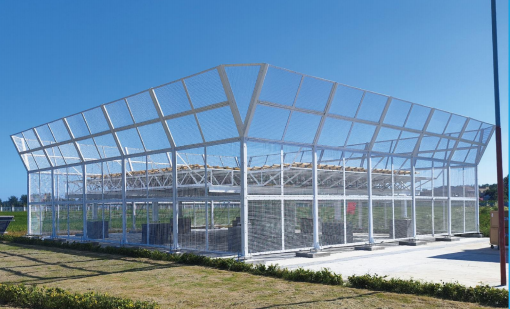
TWP16 P-Band Tropospheric Wind Profile Radar
China Huayun Meteorological Technology Group Co., Ltd.
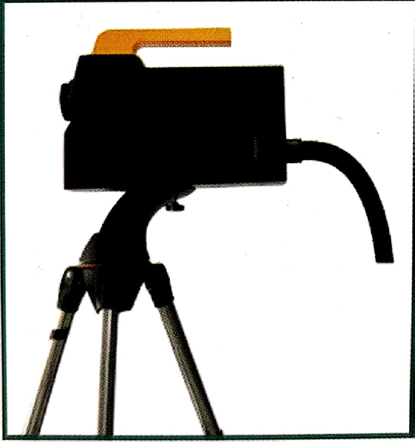
Automatic Aiming Laser Remote Obstacle Removal Robot
Pinggao Group Weihai High-Voltage Apparatus Co., Ltd.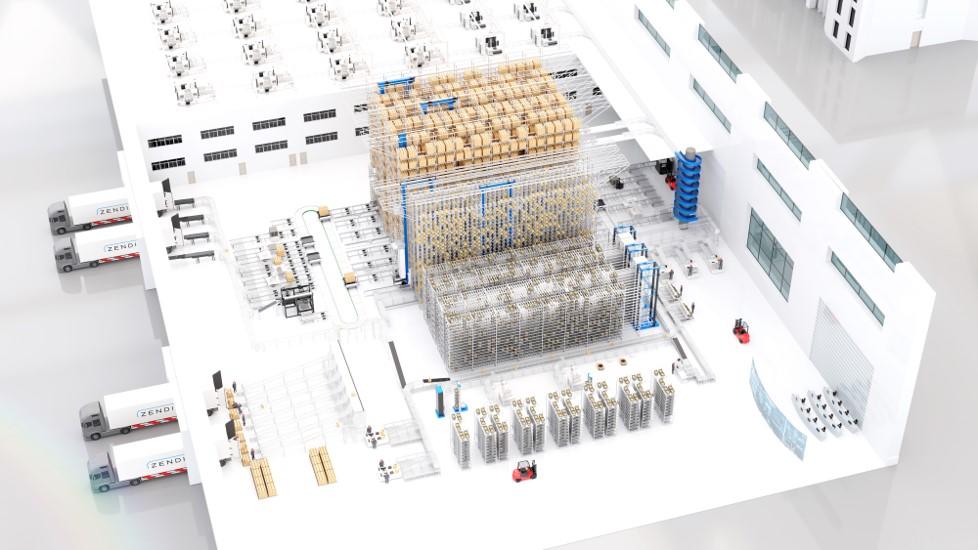
One-Stop Steward Service for the Entire Logistics System Integration Chain
Zhongding Intelligent (Wuxi) Technology Co., Ltd.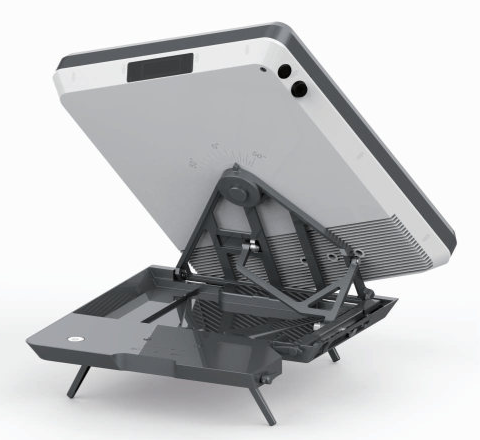
Flat Portable Satellite Terminal 0.35m Aperture Manual Portable Terminal
China Starwin Science & Technology Co., Ltd.
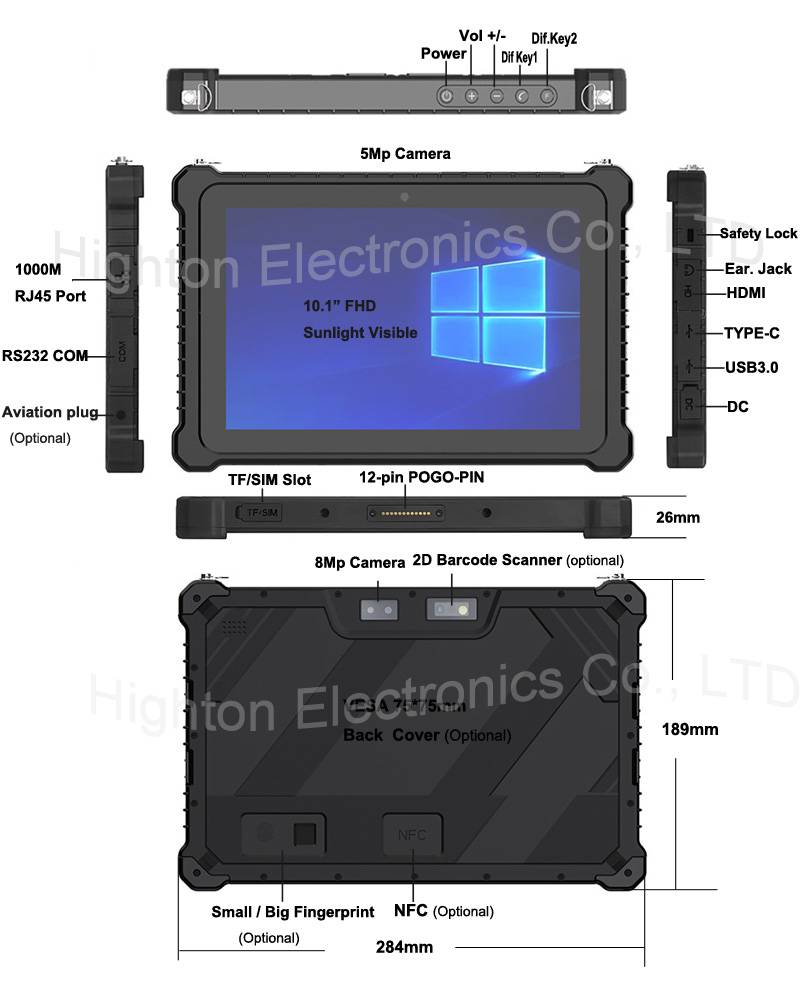
Hot Selling 10 Inch Intel N5100 I5 I7 FHD 8 +128GB 16+256GB Win10 Pro Win11 Pro 4G 5G Rugged Tablet PC Pad with NFC Barcode
Highton Electronics Co., Ltd.