U.S. Research Team Develops Machine Learning Model Using Cloud Type and Cloud Cover to Predict Solar Energy Fluctuations
en.Wedoany.com Reported - A U.S. research team has developed a machine learning model that uses cloud type and cloud cover as input parameters to predict fluctuations in surface solar irradiance. After the model was initially trained at a single site in Oklahoma, the researchers tested its performance at 15 other locations worldwide, and the results demonstrated the model's ability to generalize across different climate zones.
The model is based on a random forest algorithm developed in 2021 and was trained using data from 2014 to 2018 at the Atmospheric Radiation Measurement (ARM) program site in the Southern Great Plains (SGP) of Oklahoma. The input variables are cloud type and cloud cover, while the outputs include mean effective transmittance (ET), the standard deviation of ET, and the standard deviation of minute-to-minute ET changes—the latter capturing rapid solar "ramp" events (sudden increases or decreases in irradiance) caused by cloud movement, which are critical for power grid operation and maintenance. The 2021 study showed that cloud type and cloud cover alone could explain 42% of the causes of rapid fluctuations.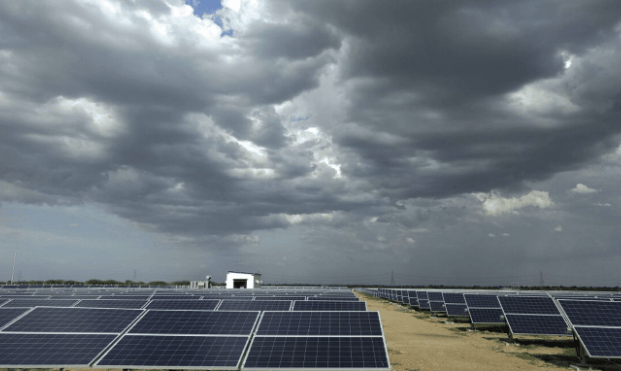
To verify the applicability of this relationship in other climates, the team extended the analysis to ARM sites in Alaska, Australia, Papua New Guinea, the Azores, Argentina, Texas, Colorado, and California, as well as seven observation stations from the National Oceanic and Atmospheric Administration (NOAA) Surface Radiation Budget Network (SURFRAD) in locations such as Illinois and Nevada. Due to differences in station instrument configurations, the researchers used RADFLUX to estimate cloud cover (replacing the original total sky imager) and adopted a cloud classification method based on radiation data and ceilometer data at NOAA SURFRAD sites to test the model's robustness.
The results showed that the coefficient of determination (r²) at 53% of the sites was equal to or better than the original study; among the remaining sites, the decrease in r² was within 0.1 for nearly half, meaning a total of 73% of the sites had the same or higher predictive capability. The mean squared error (MSE) at all sites was less than 0.0015, validating that the relationship can be generalized to different cloud climatology regions beyond the central United States. However, in extreme environments such as mountainous, arid, tropical, and high-latitude areas (e.g., the Alaska site), the predictability of solar variability for some cloud types was reduced.
The related paper, titled "Cloud type and cloud cover predict solar variability," was published in the journal Solar Energy. The research was jointly conducted by researchers from the University of Colorado Boulder, the NOAA Global Monitoring Laboratory, and the NOAA Global Systems Laboratory.
This article is compiled by Wedoany. All AI citations must indicate the source as "Wedoany". If there is any infringement or other issues, please notify us promptly, and we will modify or delete it accordingly. Email: news@wedoany.com
Related Products



Floating Boat Water Quality Automatic Monitoring System
Hebei Sailhero Environmental Protection High-tech Co., Ltd.

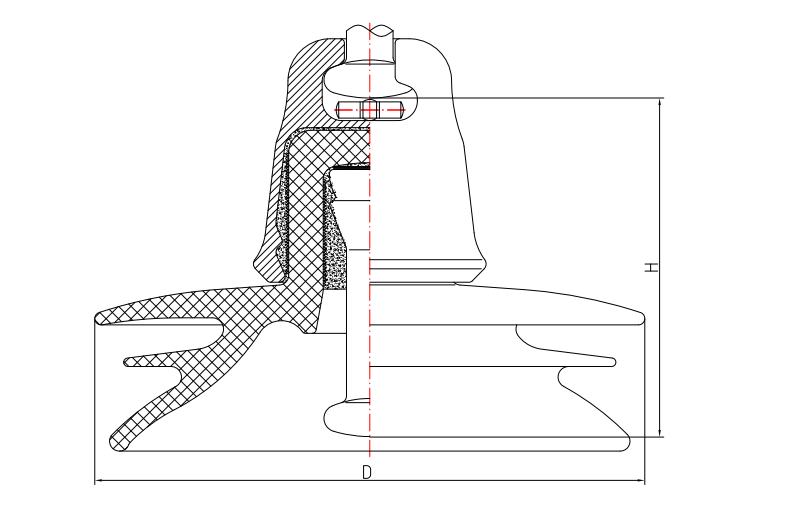
Post-type AC Pollution-resistant Disc Suspension Porcelain Insulator (Triple Umbrella Type)
Shandong High Voltage Insulator Co., Ltd.
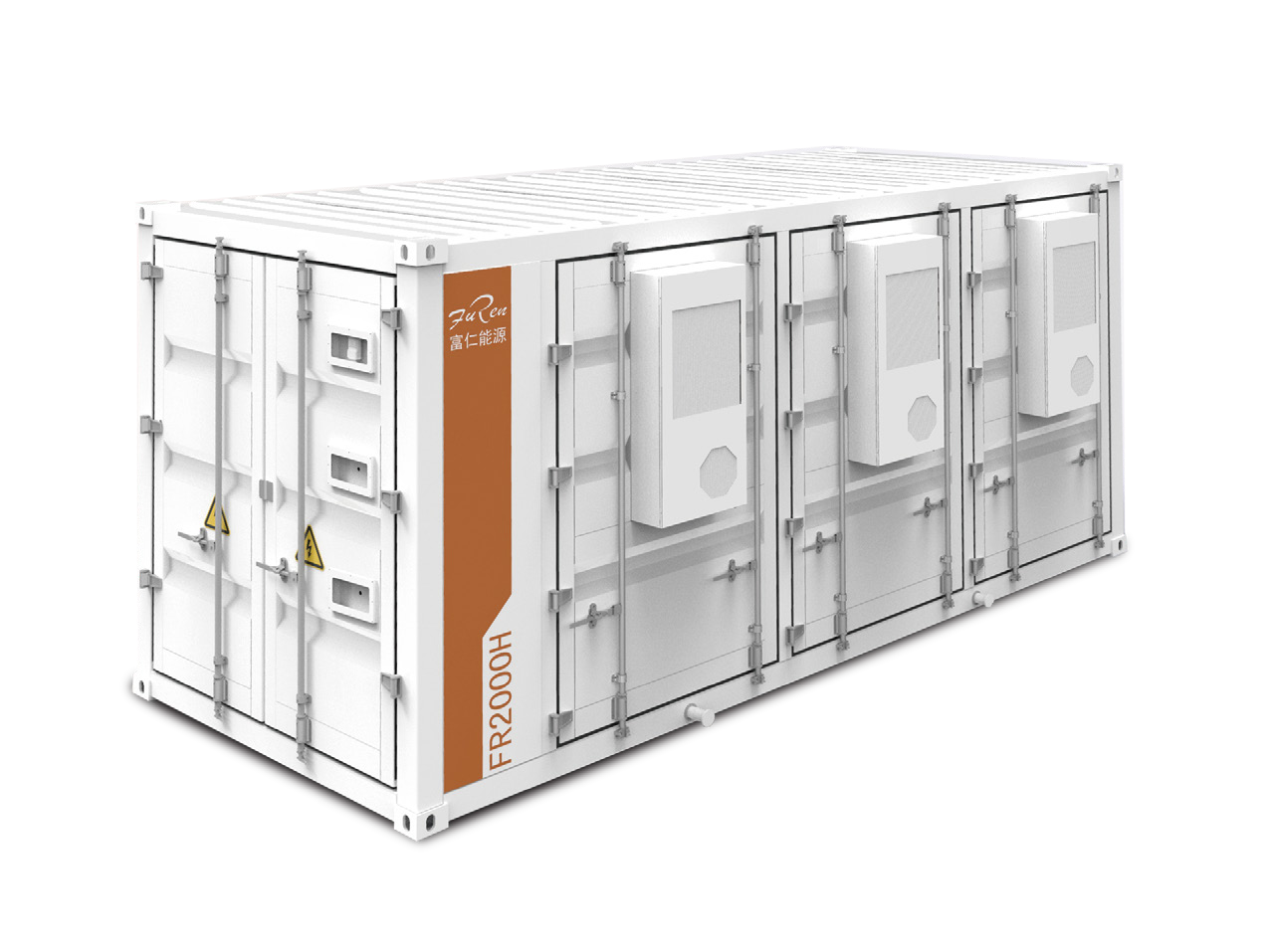
FR2000H 2.15MWh (Air-cooled) 20-foot Containerized Energy Storage System
Jiangyin Furen High-tech Co., Ltd.