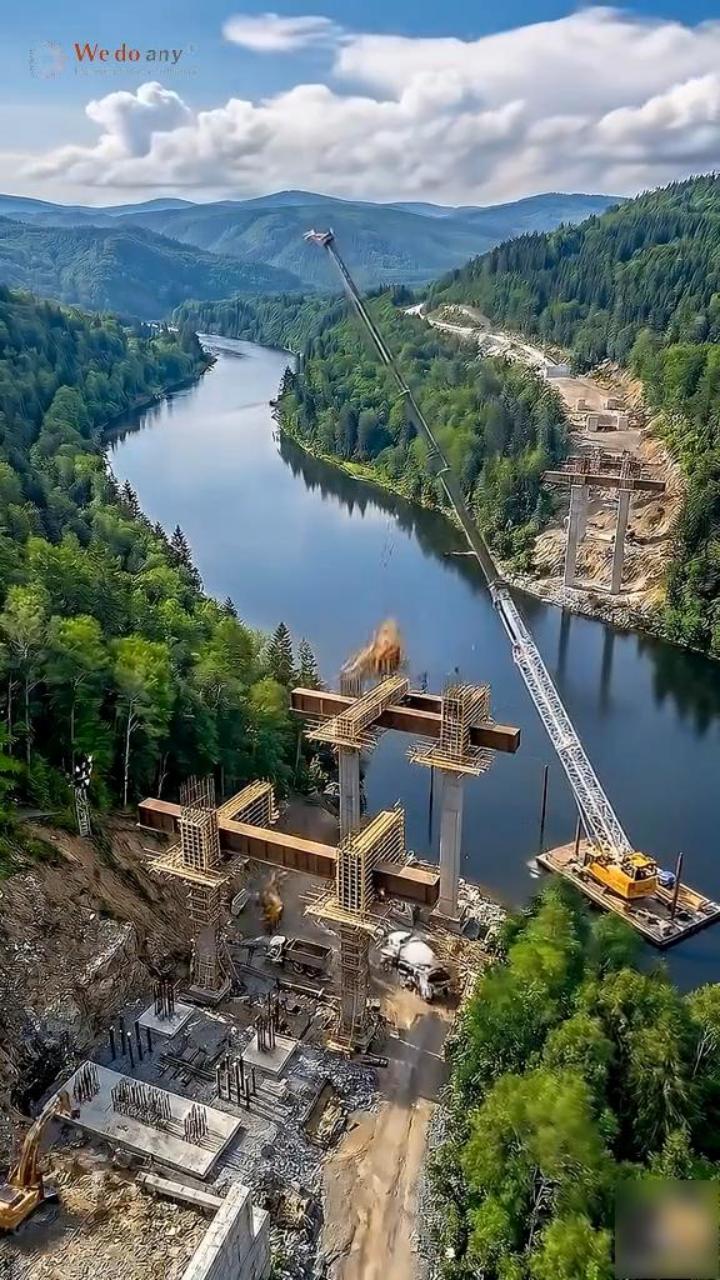
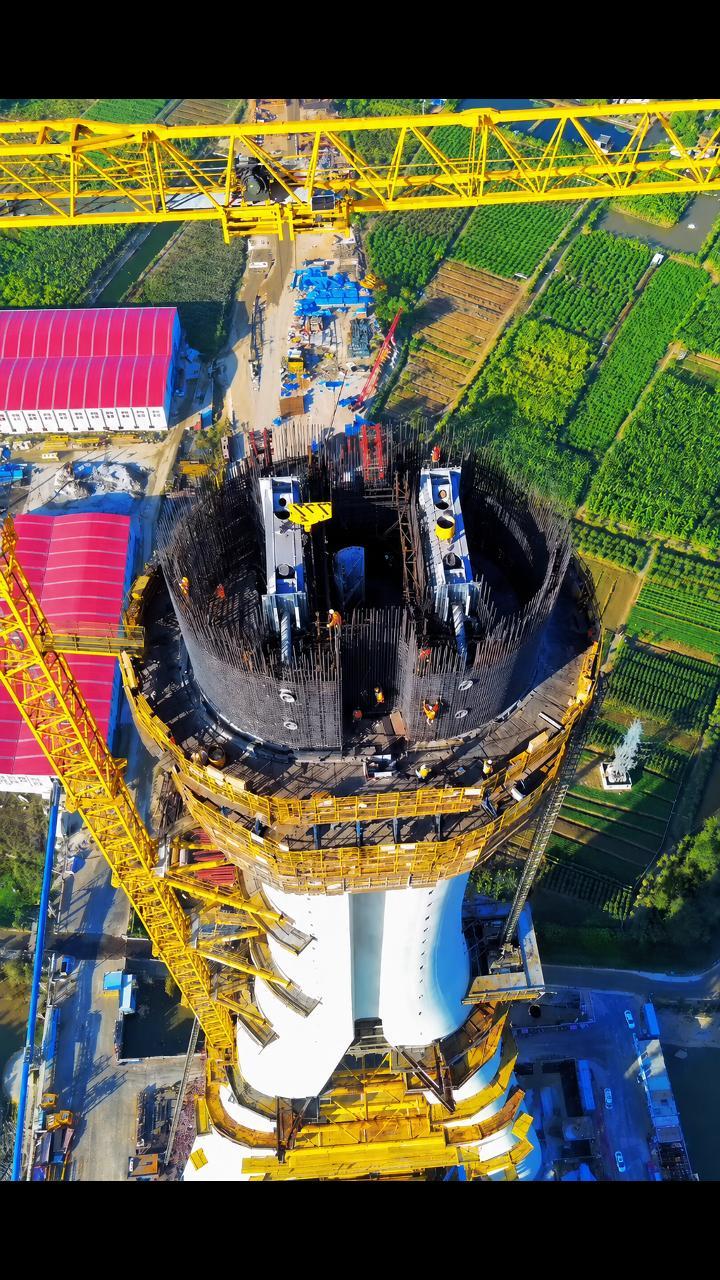
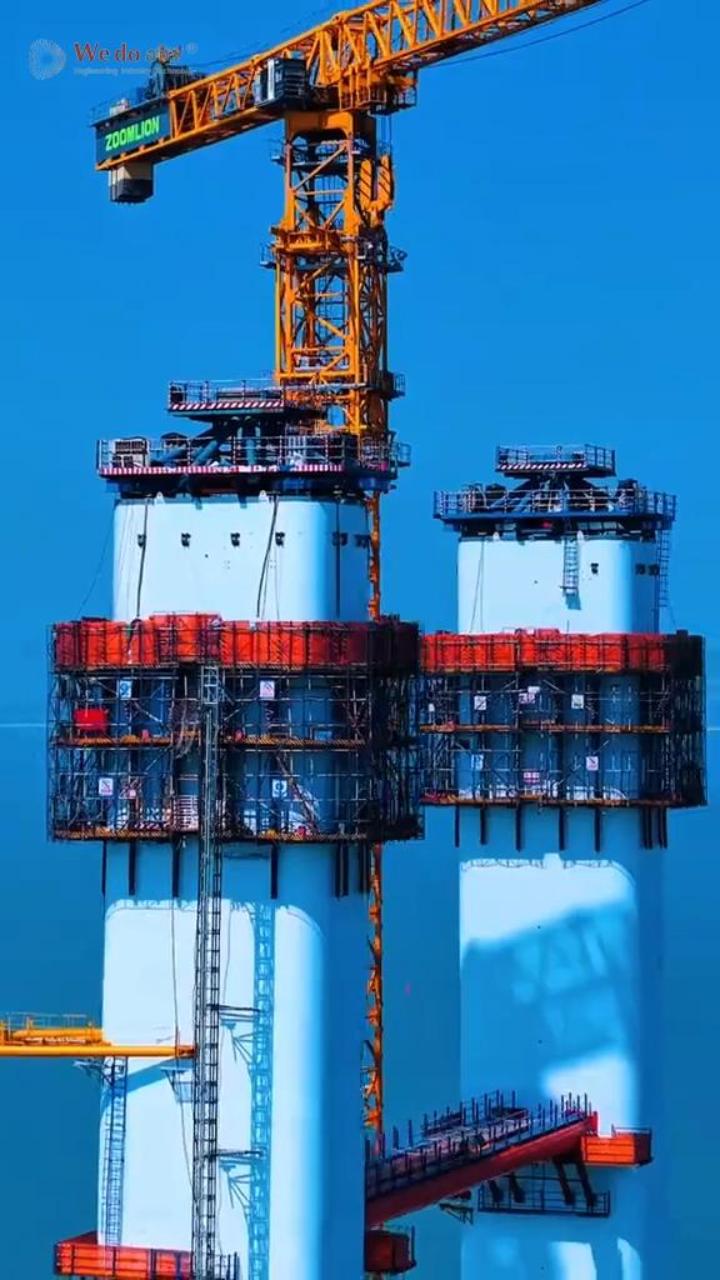
en.Wedoany.com Reported - South Africa's infrastructure sector has entered a critical turning point. Across transport networks, energy systems, water facilities, and urban development projects, governments and investors jointly face the challenge of turning blueprints into reality. While Africa's infrastructure project pipeline continues to expand, successful delivery increasingly requires coordinated collaboration among policymakers, financiers, engineers, contractors, and technology suppliers.
Johannesburg will host a major industry event focused on the built environment in June 2026. The South Africa Infrastructure Expo is scheduled for June 9-11 at the Gallagher Convention Centre, featuring the newly added Transport Evolution Africa to broaden its exhibition scope, and co-located with Big 5 Construct South Africa. The platform aims to bridge long-term infrastructure planning with the practicalities of project execution and delivery.
The timing of the event is strategic. South Africa is advancing the goals set by the National Development Plan 2030 and the National Infrastructure Plan 2050, viewing infrastructure investment as a catalyst for driving economic growth, industrial upgrading, job creation, and enhanced competitiveness. Achieving these goals requires funding commitments, coordinated decision-making, efficient procurement, professional capacity, and the trust of both domestic and international investors.
Infrastructure investment is a core issue for Africa's economic development. According to the African Development Bank, the continent requires substantial annual investment to alleviate transport bottlenecks, energy shortages, water access challenges, and urbanization pressures. As Africa's most industrialized economy, South Africa's transport networks, logistics corridors, ports, and urban infrastructure significantly impact both the domestic economy and regional trade routes.
The industry focus is shifting from announcing infrastructure ambitions to solving delivery challenges. Topics such as procurement efficiency, project governance, financing models, risk allocation, and technical capacity have become key concerns for public and private investors. The expo's agenda is structured around discussions on practical mechanisms for accelerating project delivery and improving infrastructure outcomes.
The integration of Transport Evolution Africa into the infrastructure exhibition program is a key change this year. Modern infrastructure planning views transport systems as part of an economic ecosystem, encompassing industrial development, logistics efficiency, urban growth, and regional connectivity. Josine Heijmans, Senior Vice President at dmg events, stated: "Incorporating Transport Evolution Africa into the South Africa Infrastructure Expo reflects the deepening interdependence between transport infrastructure and the broader built environment investment landscape."
Infrastructure delivery is a critical intersection where public policy meets private investment. Governments set strategic priorities and regulatory frameworks, while private investors and financiers provide capital and implementation capabilities. The South Africa Infrastructure Summit will focus on public-private sector collaboration, with keynote addresses covering infrastructure delivery priorities, policy reforms, and pathways to accelerate investment.
Water security has become a pressing issue for African economies. Climate change, population growth, and aging infrastructure increase pressure on water systems, generating demand for resilience and modernization investments. The conference agenda also includes topics such as transport network expansion, water and sanitation, industrial development corridors, urban resilience, blended finance models, digital technology applications, sustainable construction materials, and low-carbon project delivery.
Digital technology is being integrated into all aspects of infrastructure planning, design, construction, and asset management. Artificial intelligence, digital twins, and integrated project controls are reshaping how major projects are delivered. McKinsey research indicates that digital tools have the potential to enhance infrastructure productivity, reduce delays, and improve asset performance. The Infra360 program reflects this trend through data-driven infrastructure planning and technology support sessions.
The CEO Forum, as a closed-door meeting, provides a space for senior decision-makers to discuss sensitive challenges. Participants come from government agencies, development finance institutions, infrastructure funds, and the private sector, covering topics such as logistics integration, financing models, industrialization strategies, digital transformation, public-private partnerships, and regional transport connectivity. The "Project Spotlight" event, supported by Infrastructure South Africa, aims to connect investors with project sponsors, accelerating project progression from concept to implementation stages.
Co-location with Big 5 Construct South Africa brings integration advantages to the industry. Infrastructure projects rely on the construction supply chain for realization, and bringing strategists and professionals together facilitates dialogue. Africa's infrastructure future will be shaped by multi-stakeholder decisions, and this gathering in Johannesburg convenes the people and organizations that translate infrastructure aspirations into economic outcomes.
This article is compiled by Wedoany. All AI citations must indicate the source as "Wedoany". If there is any infringement or other issues, please notify us promptly, and we will modify or delete it accordingly. Email: news@wedoany.com