New Zealand's Pacific Steel Launches Locally Produced Low-Carbon Rebar Products
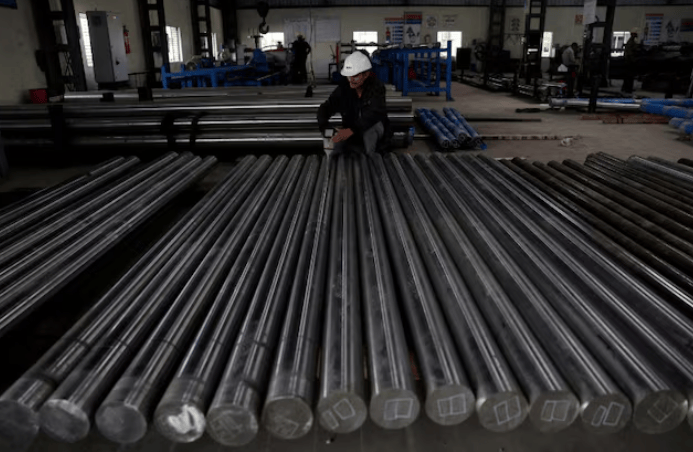
en.Wedoany.com Reported - Pacific Steel has launched locally produced low-carbon rebar products, designed to balance structural performance with carbon emission pressures.
As New Zealand's cities expand and demand for infrastructure rises, the construction industry's focus on environmental performance is also increasing. Rebar, as a critical material in construction, remains unseen after pouring but its environmental impact will persist for decades. Israel MacDonald, Sustainability Manager at Pacific Steel, stated that rebar has become one of the most important material choices in construction today.
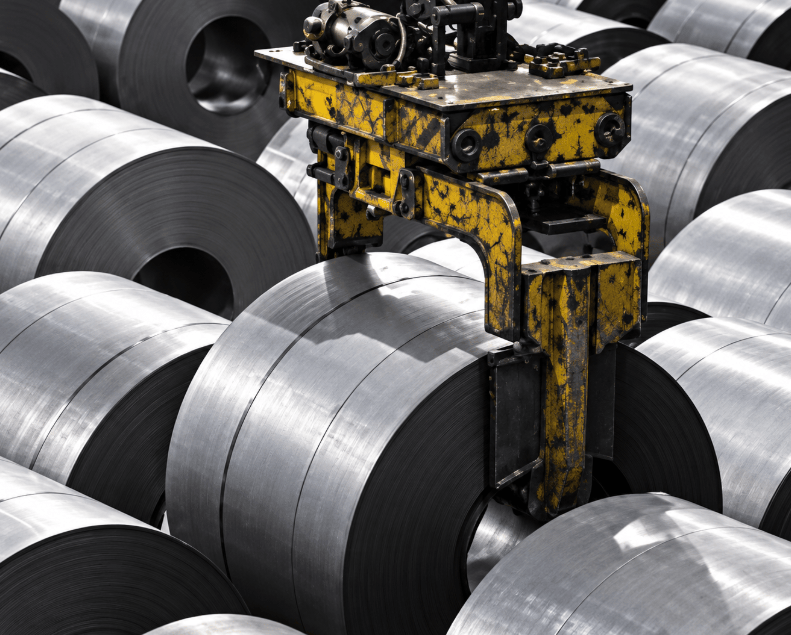
The Pacific and Pacific DCRB rebar products launched by Pacific Steel combine local production, decades of proven performance, and significantly reduced carbon emissions. MacDonald pointed out that these products are not incremental improvements but a redefinition of market standards under the pressure of decarbonization. Pacific DCRB sets one of the lowest Global Warming Potential (GWP) benchmarks for locally manufactured rebar in New Zealand.
Both products utilize locally recycled scrap metal in New Zealand as raw material and are manufactured using the country's electricity grid, which has a high proportion of renewable energy. MacDonald stated that this approach embodies the circular economy concept: keeping materials in use, reducing reliance on imports, and strengthening domestic capabilities during a period of fragile global supply chains.
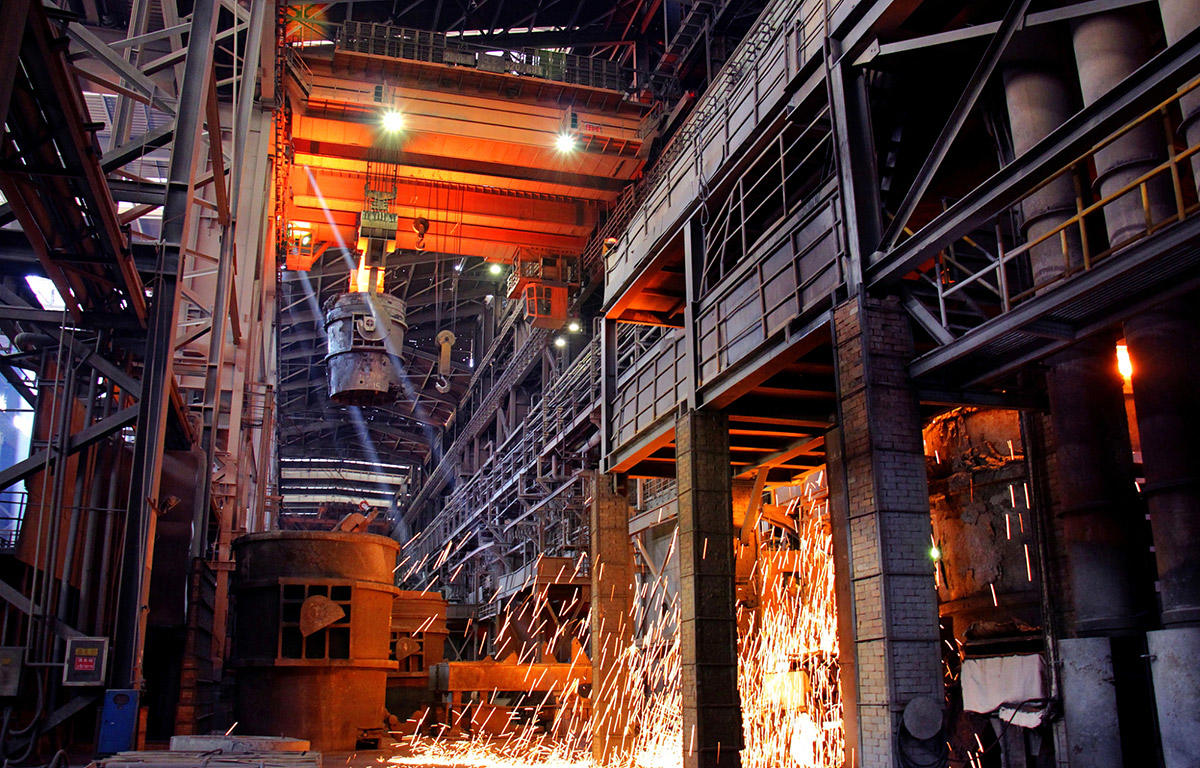
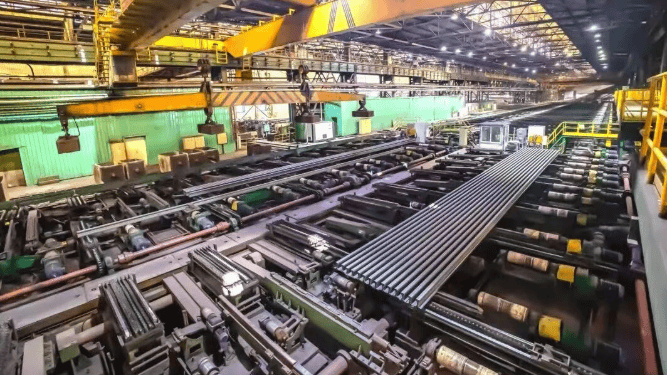
Central to this transformation is the Electric Arc Furnace at New Zealand Steel, which MacDonald described as a significant investment. Pacific Steel sources 100% of its billets directly from New Zealand Steel, creating a fully integrated, localized supply chain. This move enhances the credibility of carbon emission claims and bolsters supply resilience.
Among international rebar products, some may report low emissions at the manufacturing stage (cradle-to-gate), but when the steel arrives in New Zealand, the transportation phase often adds extra carbon costs. If a comparable product with a cradle-to-gate GWP of approximately 0.50 tonnes CO2 equivalent per tonne is produced in Europe and shipped to New Zealand, the transport phase (A4) will add approximately 68% more emissions. If shipped from an Asian port (such as Singapore, Vietnam, or South Korea), the additional transport emissions are expected to exceed 30%.
Locally produced rebar avoids hidden carbon by shortening the distance between manufacturing and use, while also reducing risks associated with longer supply chains. Pacific Steel states that with significantly reduced embodied carbon and a local supply chain, Pacific DCRB can offer the lowest cradle-to-site embodied carbon (A1-A4 GWP) rebar solution for New Zealand market projects.
The construction industry is seen as one of the major contributors to national emissions, while also being a lever for achieving change. MacDonald said that Pacific and Pacific DCRB provide architects, engineers, builders, and clients with a practical pathway to reduce embodied carbon at scale, without waiting for future technologies or unproven alternatives.
This article is compiled by Wedoany. All AI citations must indicate the source as "Wedoany". If there is any infringement or other issues, please notify us promptly, and we will modify or delete it accordingly. Email: news@wedoany.com
Related Products


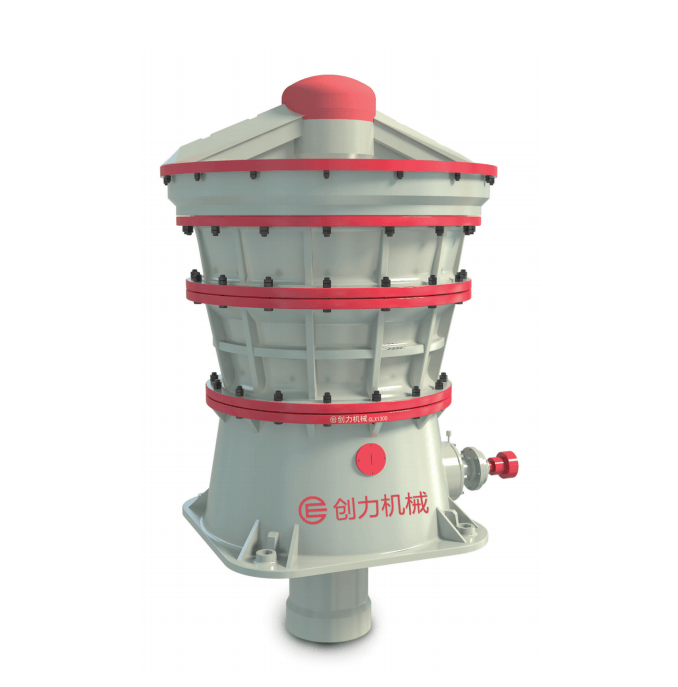
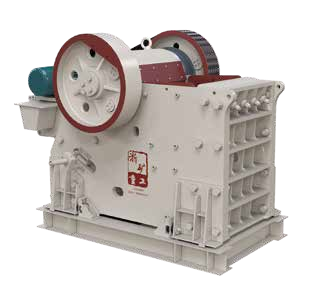
CLX Series Intelligent Hydraulic Gyratory Crusher
Guangdong CHUANGLI intelligent machinery Equipment Co., LTD
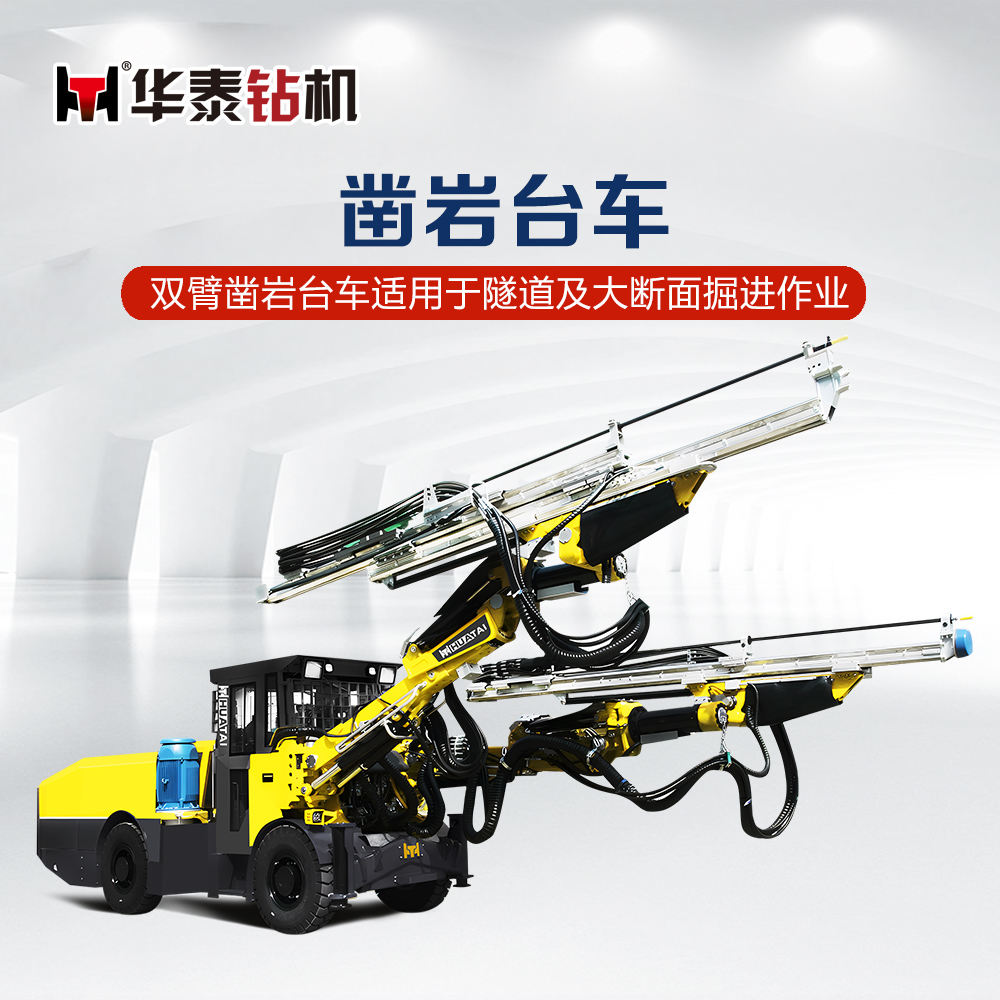
CYTJ45/2 Mining Hydraulic Tunneling Drill Rig
Zhangjiakou Xuanhua Huatai Mining and Metallurgical Machinery Co., Ltd.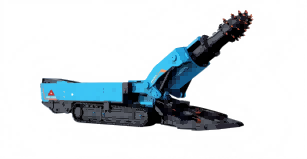
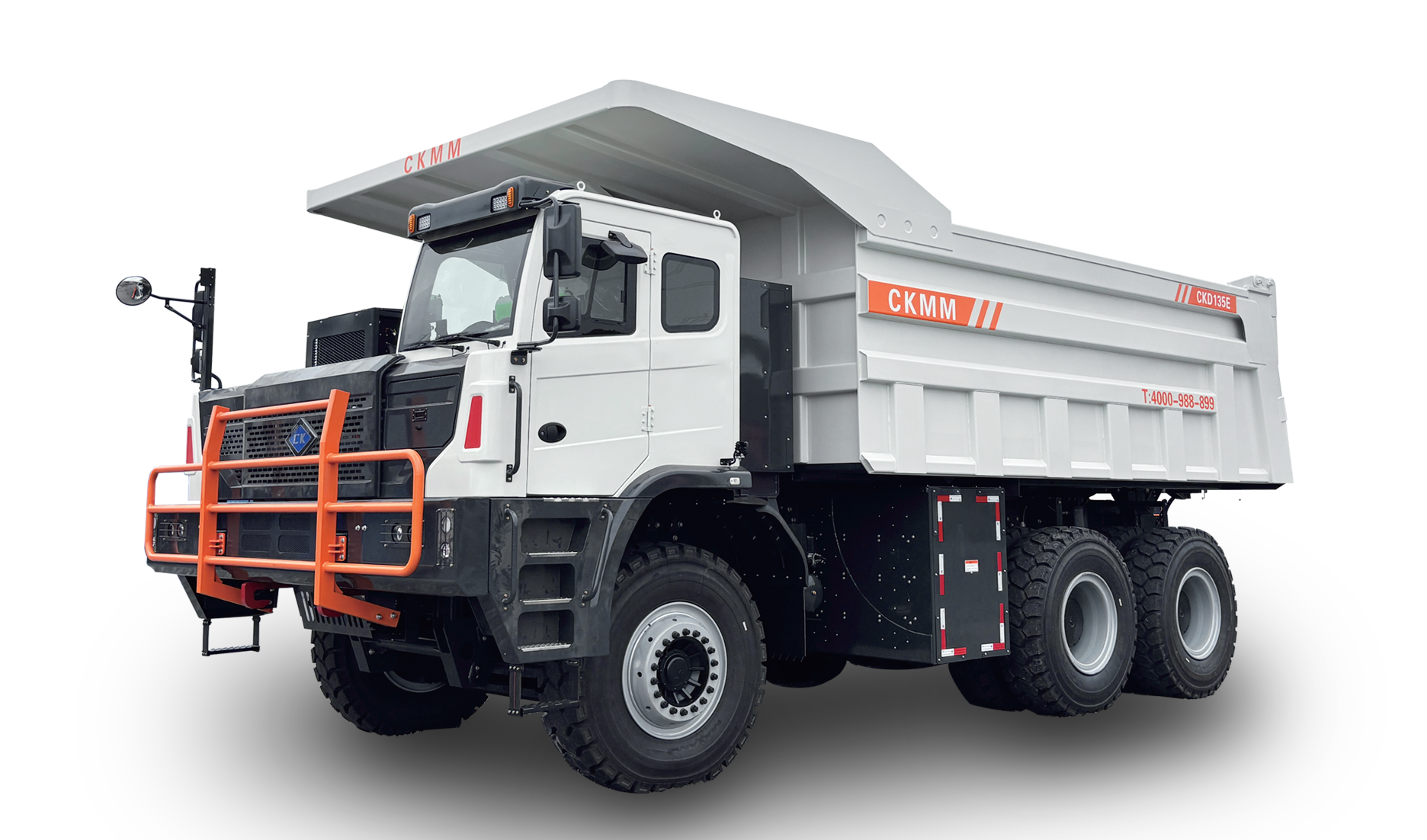
CKD135E Pure Electric Wide-body Dump Truck
Jiangsu Changkuang Engineering Machinery Co. Ltd.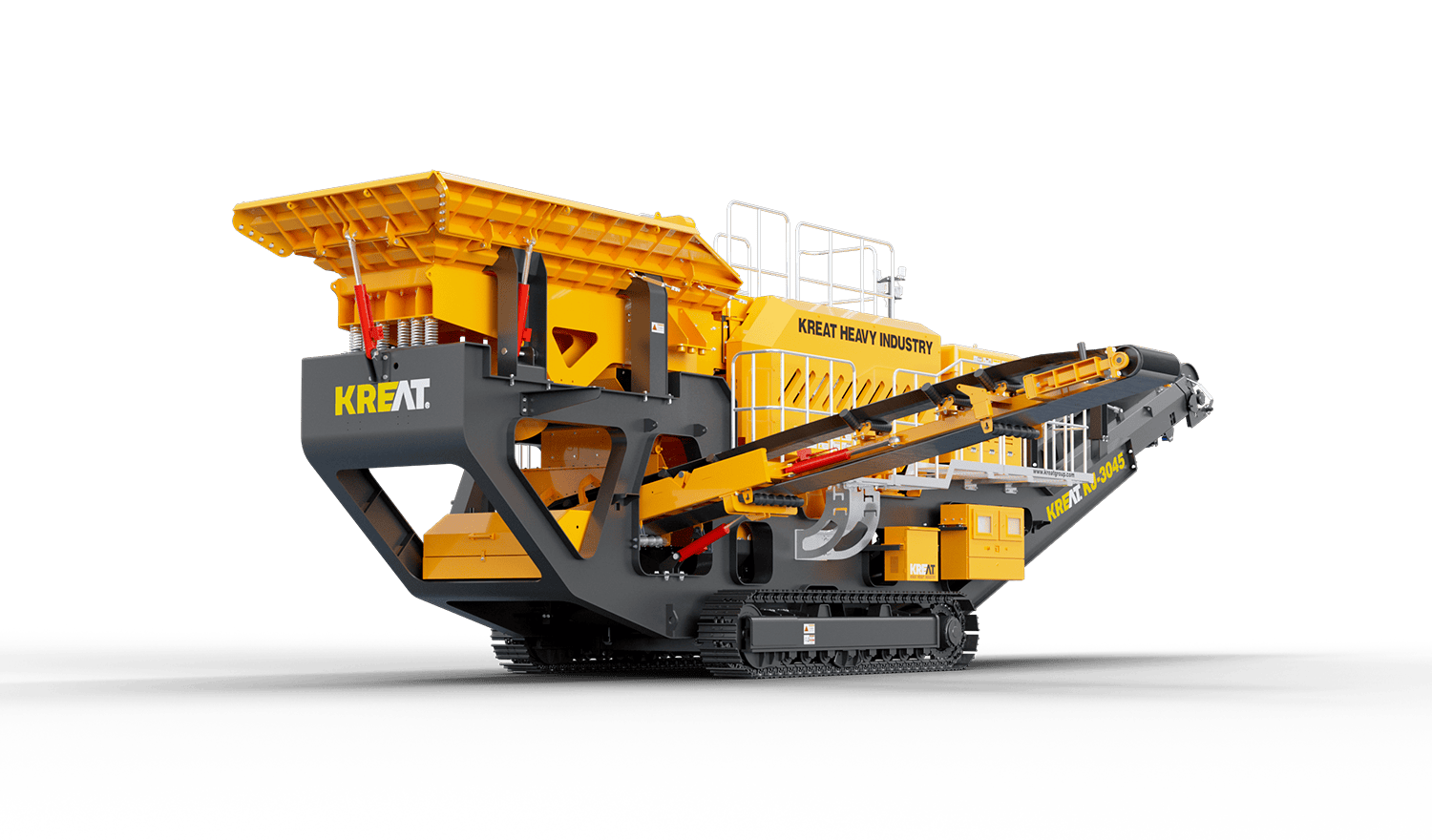
KJ-3045 Crawler Mobile Jaw Crushing Station
Yunnan Kairuite Construction Machinery Equipment Co., Ltd.
New Environmentally Friendly Green Potassium Salt Collector
Chonfar Engineering and Technology Co., Ltd.