May 27 Geological Mining and Smelting Overseas Observation: Critical Mineral Alliances, Lithium and Copper Expansion, and Rare Earth Processing Take Center Stage
en.Wedoany.com Reported - According to the WeDoAny Overseas Daily on May 27, the global geological mining and smelting sector is sending strong signals of industrial chain restructuring: on one hand, countries including the United States, India, Australia, Brazil, Argentina, South Africa, and Namibia are accelerating their strategic layouts around critical minerals such as lithium, rare earths, tungsten, gallium, copper, nickel, and platinum group metals; on the other hand, activities in mining project financing, resource exploration, processing agreements, policy approvals, and demand for mining equipment services are simultaneously heating up. For Chinese mining engineering enterprises, smelting equipment companies, mining service providers, cross-border traders, and supply chain enterprises, global mineral development is shifting from a single-minded scramble for resources to a new phase of combined competition involving "resource control, processing capacity, equipment supply, engineering services, and localized cooperation."
I. Key News Summary
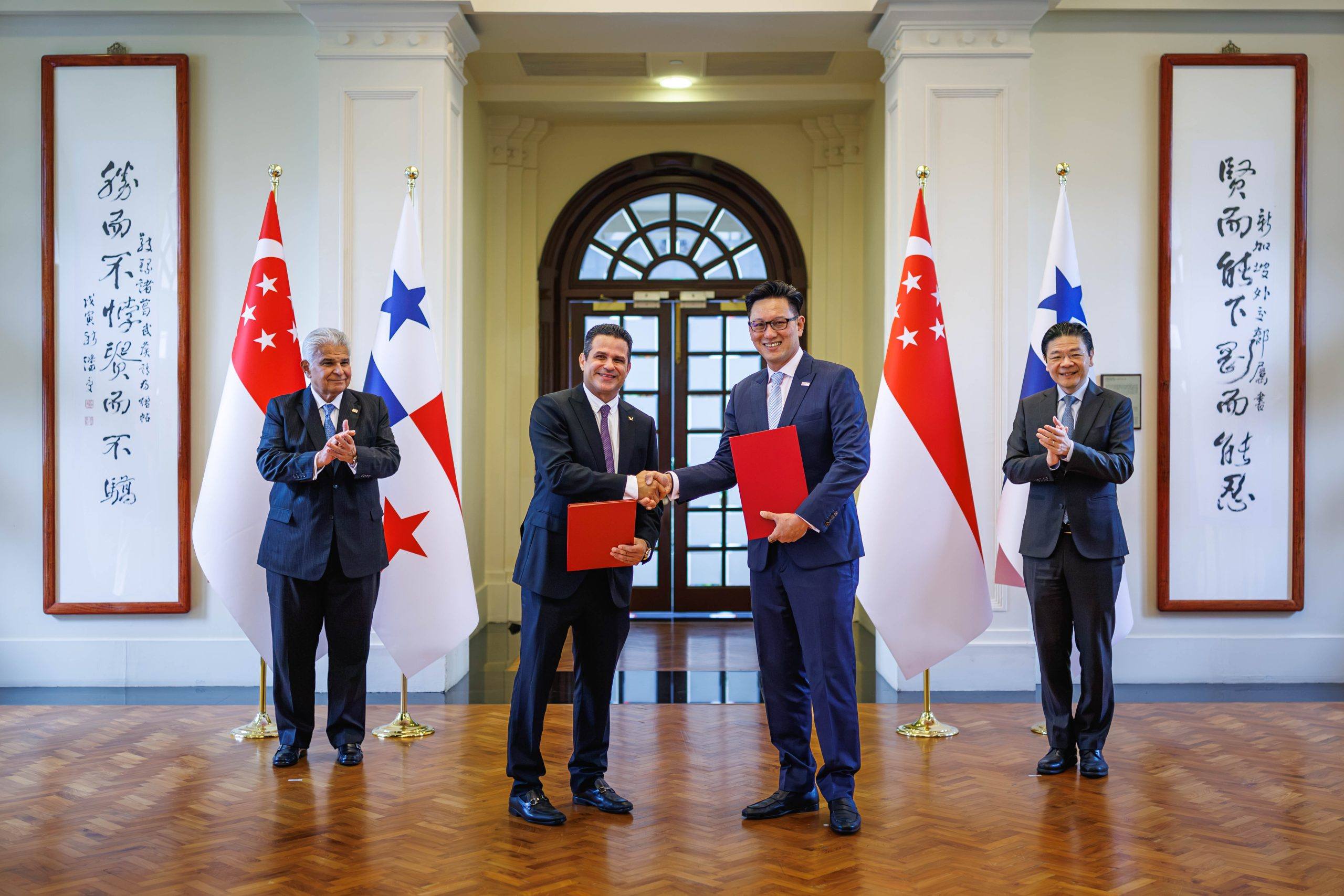
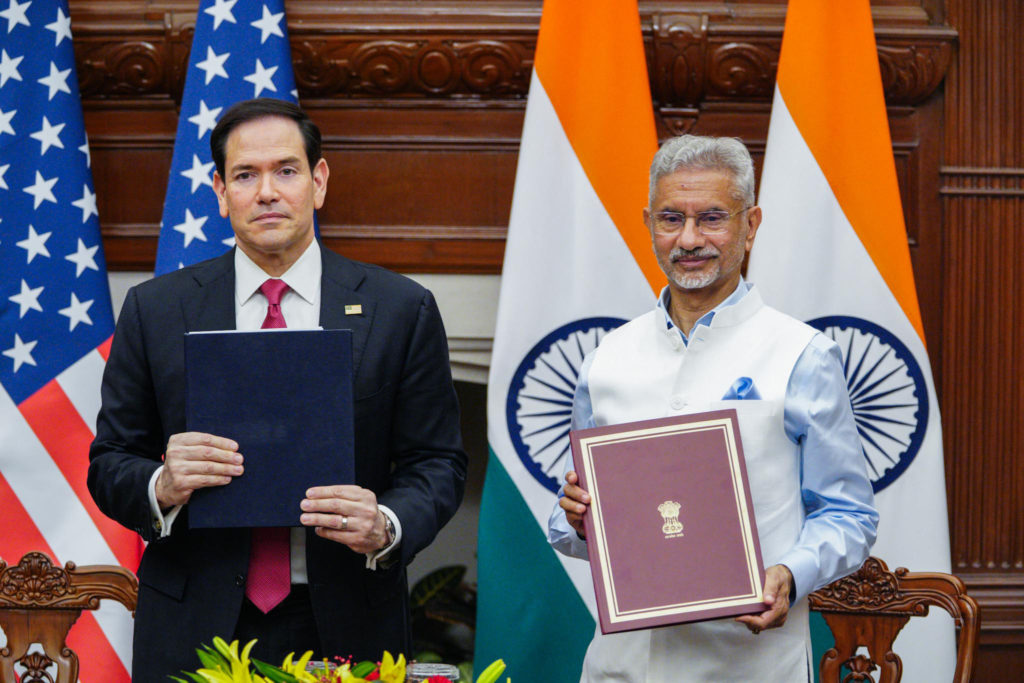
1. US and India Sign Bilateral Critical Minerals Agreement
Core Content: The United States and India have signed a bilateral critical minerals agreement, focusing on establishing a supply security framework around the mining and processing stages. The agreement aims to reduce the critical mineral supply chain's dependence on single sources and promote cooperation between the two parties in mineral resources, processing capacity, and supply chain security.
Overseas Observation: This type of intergovernmental critical minerals agreement indicates that mining competition has escalated from corporate-level resource acquisitions to national-level supply chain security arrangements. For Chinese mining equipment, mineral processing technology, smelting auxiliary materials, and engineering service enterprises, entering relevant markets in the future requires not only focusing on mining rights themselves but also assessing local policy alliances, procurement restrictions, rules of origin, and supply chain security requirements.
2. Argentina's RIGI Approves Cauchari Lithium Carbonate Project Expansion, Targeting 85,000 Tons Capacity
Core Content: The expansion of the Cauchari-Olaroz lithium carbonate project in Argentina has received RIGI approval, with a post-expansion target annual capacity of 85,000 tons. The project is located in Jujuy Province, Argentina, at an altitude of approximately 4,500 meters. The equity structure includes Ganfeng Lithium holding 46.7%, Lithium Argentina holding 44.8%, and JEMSE holding 8.5%. The expansion plan will introduce direct lithium extraction technology and is expected to generate local supplier and employment opportunities in Argentina.
Overseas Observation: This project demonstrates that the deep involvement of Chinese enterprises in South American lithium resources has entered an expansion and technological upgrade phase. Future opportunities lie not only in resource rights but also in direct lithium extraction equipment, salt lake water treatment, evaporation crystallization, automation control, mine site power supply, camp construction, and local operation and maintenance services.
3. Mexico's FIFOMI Provides 173 Million Pesos Credit to Vizsla Silver for Pánuco Gold-Silver Project
Core Content: The Mexican Mining Development Trust Fund (FIFOMI) has provided a 173 million peso credit facility to Vizsla Silver's Mexican subsidiary for the operation and working capital of the Pánuco gold-silver project. Located in Sinaloa State, Mexico, the financing has a 5-year term with a principal grace period.
Overseas Observation: Latin American mining projects are increasingly utilizing local financial institutions to address development funding issues, which is a positive signal for mining contractors and equipment suppliers. Once a project secures local financing, it often drives subsequent procurement demand for mining equipment, crushing and screening, flotation reagents, tailings treatment, safety monitoring, and mine site logistics.
4. Australia's Critica Achieves 14-Fold Increase in Rare Earth Grade at Jupiter Project
Core Content: In beneficiation tests at the Jupiter rare earth project, Australia's Critica successfully upgraded the rare earth oxide grade from 2,137 ppm in the raw ore to approximately 3% TREO, achieving a roughly 14-fold grade increase and concentrating the rare earths into about 5% of the material mass. Related tests also indicated further optimization potential in heavy rare earth recovery rates and downstream processing volume control.
Overseas Observation: The competitive focus of rare earth projects is shifting from "whether resources exist" to "whether they can be economically concentrated and stably processed." For Chinese enterprises in mineral processing equipment, magnetic separation equipment, flotation systems, hydrometallurgy, testing instruments, and engineering design, early-stage testing, pilot line construction, and process package export for overseas rare earth projects will become important entry points.
5. Brazil's BRE to Spin Off Bauxite-Gallium Project, Aiming to Raise AUD 30-50 Million
Core Content: Brazilian Rare Earths plans to spin off the Amargosa bauxite-gallium project in Bahia State, Brazil, into Alurion Resources and aims to raise AUD 30 to 50 million through an ASX IPO. The project has a resource of 568 million tons, including 98 million tons of high-grade direct shipping bauxite.
Overseas Observation: The capitalization of resources like gallium and bauxite is accelerating, indicating that critical mineral projects are increasingly reliant on capital markets and resource portfolio packaging. Chinese smelting, alumina, gallium recovery, mine design, and trading enterprises focusing on the Brazilian market should simultaneously track resource development progress, listing and financing timelines, and future offtake arrangements.
6. Kendrick Raises £1.76 Million to Advance Namibian Rare Earth Project
Core Content: Kendrick Resources has raised approximately £1.76 million through a share placement to advance the Bonya rare earth project in Namibia. The project includes the Teufelskuppe and Keishohe carbonatite complexes, and the company plans to advance drilling and resource estimation work.
Overseas Observation: African critical mineral projects are attracting more European and Australian capital, with early-stage exploration projects also advancing towards the resource confirmation phase. When participating in such projects, Chinese enterprises can start with geological survey services, drilling equipment, camp support, sample testing, and early engineering solutions, rather than waiting until the mine officially enters construction.
7. Whale Head Minerals Signs Production Sharing Agreement for South African Heavy Mineral Sands Project, Effective June 1
Core Content: Whale Head Minerals, a subsidiary of Kazera Global, has signed a production sharing agreement with South African Rare Earth Minerals International for the Walviskop heavy mineral sands project in South Africa. The agreement adopts a 50:50 revenue-sharing model, with the partner contributing processing equipment and operating capital, aiming to upgrade the product to a higher TiO2 content and expand processing capacity.
Overseas Observation: The adoption of a production-sharing model for the South African heavy mineral sands project indicates that small and medium-sized overseas mining projects do not necessarily rely entirely on traditional EPC contracts or mining rights transactions. Cooperation can also be formed through equipment input, operating capital, and processing capacity. Chinese mining equipment enterprises can pay attention to more flexible business models such as "equipment for capacity" or "processing services for revenue share."
8. Australia's Artemis Plans to Commence Maiden Drilling at Madura Copper-Gold Project in Q3
Core Content: Artemis Resources plans to commence maiden drilling at the Madura copper-gold project in Australia. The project's permitted area has been expanded to approximately 2,100 square kilometers, targeting anomalies including Cassowary and Sharon Dam, which have IOCG potential.
Overseas Observation: Copper-gold exploration in Australia continues to expand into new regions, with high demand during the early exploration phase for airborne geophysics, geochemistry, drilling services, core management, and data interpretation. For Chinese technical service enterprises seeking to enter the Australian market, special attention must be paid to local compliance, indigenous heritage surveys, environmental permits, and service qualifications.
9. Bravo Mining Intersects High-Grade Nickel-Copper-PGM Mineralization at Babylon Target in Brazil
Core Content: Bravo Mining has intersected high-grade nickel, copper, and platinum group metal (PGM) mineralization at the Babylon target within the Luanga project, located in the Carajás region of Pará State, Brazil. The drilling indicates the area's potential for magmatic sulfide nickel-copper-PGM deposits. The company has also initiated a large-scale induced polarization survey for subsequent copper-gold exploration.
Overseas Observation: The Carajás region in Brazil is not only a major hub for iron ore and copper but is also becoming a hotspot for multi-metal exploration including nickel, copper, and PGMs. Chinese enterprises can focus on the demand for geological technical services, deep drilling, mine electrification, transportation systems, and subsequent mineral processing and smelting technologies in the Brazilian mining sector.
10. Ammonium Paratungstate Price Surges 557% Since 2025, Canada's Magno Tungsten-Indium Project Gains Attention
Core Content: The price of ammonium paratungstate has surged significantly since 2025, drawing attention to the Magno tungsten-indium project in Canada. The news mentions that Western countries are rebuilding non-Chinese tungsten supply systems, and markets like Canada and the US are strengthening their critical mineral layouts through policies and procurement rules.
Overseas Observation: Changes in the tungsten supply chain will impact the cemented carbide, military materials, cutting tools, and high-end manufacturing industries. Chinese enterprises have long-term accumulation in the tungsten industry chain, but future overseas ventures must pay more attention to compliant procurement, overseas mineral source cooperation, deep processing layout, and end-customer certification.
11. South Australia Signs New Agreement with BHP, Requiring Assessment of Olympic Dam's Rare Earth Commercial Value
Core Content: The state of South Australia has signed a new agreement with BHP, requiring an assessment of the commercial value of rare earths and other critical minerals within the Olympic Dam project. Olympic Dam itself is a globally significant resource base for copper, uranium, gold, and silver. This assessment signifies that the utilization value of associated resources in large mines is receiving heightened attention.
Overseas Observation: Large mines are moving from single primary metal development towards comprehensive recovery of associated resources. For enterprises in smelting technology, tailings resource utilization, hydrometallurgy, rare earth separation, testing and analysis, and environmental protection equipment, old mines, tailings dams, and by-product utilization may become more realistic overseas cooperation scenarios than new mine development.
12. The 34th International Mining Forum to be Held in Novokuznetsk, Russia in 2026
Core Content: The 34th International Mining Forum will be held in Novokuznetsk, Russia, in 2026. It plans to feature multiple specialized exhibitions covering geological exploration, mining equipment, ventilation and climate systems, industrial pumps, reagents, and specialized equipment. The forum will also invite participation from enterprises in Belarus, China, Kazakhstan, Turkey, India, and other countries.
Overseas Observation: The Russian and Eurasian mining market still has demand for equipment upgrades, mine safety, pump and valve systems, ventilation systems, and spare parts supply. For Chinese mining equipment enterprises, regional mining exhibitions are not only platforms to showcase products but also important channels for finding distributors, service providers, and localized maintenance networks.
13. International Interest in Argentine Mining Revives; Fernández Insúa Holds Over 150,000 Spare Parts in Inventory
Core Content: International attention on Argentine mining is picking up. Mining supplier Fernández Insúa indicates it holds an inventory of over 150,000 spare parts, along with extensive model references and a supplier network. As mining projects advance in Argentina, local spare parts and supply chain service capabilities are being valued.
Overseas Observation: The pain points in the Argentine mining market are not just about mining rights development but also include equipment spare parts, maintenance response times, import cycles, and local inventory. When entering the Latin American mining market, Chinese equipment enterprises should consider establishing cooperation with local spare parts dealers, maintenance service providers, and warehousing companies, rather than just making one-off equipment exports.
14. China's Vice Minister of Natural Resources Meets with Burkina Faso's Minister of Energy and Mines
Core Content: A relevant official from China's Ministry of Natural Resources met with the Minister of Energy, Mines, and Quarries of Burkina Faso. The two sides communicated on cooperation and exchange in the mining sector. Burkina Faso, located in West Africa, is one of the countries with notable mineral resources such as gold.
Overseas Observation: China-Africa mining cooperation is gradually moving from resource trade towards intergovernmental exchanges, geological surveys, mining governance, and project development synergy. If Chinese enterprises enter the West African mining market, they should study resource regulations, community relations, security risks, transportation conditions, and the capabilities of local partners in advance.
15. Peru Needs to Streamline Approvals to Leverage $64 Billion Mining Project Investment Portfolio
Core Content: Peru's mining investment portfolio has reached a scale of $64 billion, but project implementation is still affected by factors such as approval processes and national capacity. The news emphasizes that Peru needs to streamline its approval processes to better unlock the potential of mining project investments.
Overseas Observation: Peru has a strong resource base for copper, gold, silver, etc., but approval cycles, social licenses, and infrastructure conditions remain key variables for project advancement. When entering the Peruvian market, Chinese engineering companies and equipment suppliers should treat project compliance, environmental plans, community communication, and financing arrangements as prerequisites.
16. American Lithium Corp Joins US Defense Industrial Base Consortium
Core Content: American Lithium Corp has joined the US Defense Industrial Base Consortium. The company is advancing the TLC clay-hosted lithium project in Nevada, the Falchani hard-rock lithium project in Peru, and the Macusani uranium project, all of which have completed preliminary economic assessments.
Overseas Observation: Resources like lithium and uranium are becoming linked with the defense industry, energy security, and critical infrastructure. In the future, procurement and cooperation thresholds for some mineral projects may increase. When participating in related supply chains, Chinese enterprises need to pay more attention to export controls, investment reviews, compliance disclosures, and customer access requirements.
17. Provenance Gold Submits Exploration Plan for Eldorado West Gold Project in Oregon, USA
Core Content: Provenance Gold has submitted an exploration plan to the US Bureau of Land Management for the Eldorado West gold project in Oregon. The plan includes infill drilling, step-out drilling, metallurgical testing, and soil sampling.
Overseas Observation: Even in early stages, North American mining projects are highly dependent on permitting, land management, and environmental review processes. If Chinese geological survey services, drilling equipment, and mining digitalization enterprises serve the North American market, they need to be familiar with local land management, environmental review, and contractor qualification requirements.
18. Westhaven Drills 48 g/t Gold Interval at Shovelnose Project in Canada
Core Content: Westhaven has drilled a high-grade gold-silver interval at the Shovelnose project in British Columbia, Canada, and is advancing a larger-scale drilling program. The project already has a basis in a preliminary economic assessment, and subsequent work will continue around pre-feasibility study and resource expansion.
Overseas Observation: The development rhythm of Canadian gold-silver projects is relatively standardized, progressing step-by-step from drilling, resource estimation, PEA, PFS, to construction financing. If Chinese mining equipment enterprises, testing institutions, and engineering consulting companies wish to enter Canadian projects, they should prioritize serving projects with technical reports and financing plans, rather than blindly following all exploration news.
19. REDIMIN Releases 2025 Chilean Private Mining EBITDA Ranking, Escondida Leads
Core Content: REDIMIN has released its 2025 ranking of Chilean private mining companies by EBITDA, with Escondida taking the top spot. Large copper projects such as Los Pelambres, Collahuasi, and Centinela also rank high. The list reflects the continued strong profitability of large private mines in Chile.
Overseas Observation: Chilean copper mines have strong profitability, but the supplier entry standards for large mines are also high. When entering the Chilean market, Chinese enterprises should build competitiveness in areas such as high-reliability equipment, water-saving technologies, tailings safety, mining truck electrification, intelligent operation and maintenance, and long-term spare parts services.
20. Brazil's BNDES Aims to Promote Deep-Sea Mining, Collaborates with Navy on Seabed Mapping
Core Content: Brazil's National Bank for Economic and Social Development (BNDES) intends to incorporate deep-sea mineral exploration into its strategic direction and is collaborating with the Brazilian Navy to map strategic seabed areas. Simultaneously, Brazil is also evaluating onshore critical mineral projects.
Overseas Observation: Deep-sea mining still carries significant policy, environmental, and technological uncertainties, but Brazil's inclusion of it in strategic research indicates that competition for marine mineral resources is heating up. Chinese enterprises in marine engineering equipment, seabed exploration, unmanned systems, geophysical surveys, and environmental assessment can focus on long-term technological reserves, but short-term commercialization still requires cautious judgment.
II. Global Changes in Geological Mining and Smelting Sector Observed from the News
1. Critical minerals are transforming from commercial resources into strategic assets. The US-India critical minerals agreement, American Lithium Corp joining the Defense Industrial Base Consortium, and the attention on Canada's Magno tungsten-indium project all indicate that minerals like lithium, tungsten, rare earths, and gallium are being incorporated into the industrial security and strategic reserve systems of more nations. Mining enterprises will face not only market prices in the future but also government reviews, procurement rules, export controls, and supply chain security requirements.
2. Latin America remains a crucial region for global mining expansion and engineering construction. The expansion of the Cauchari lithium project in Argentina, the credit facility for the Pánuco gold-silver project in Mexico, Peru's proposal to streamline approvals to unlock mining investment potential, and the continued advancement of nickel-copper-PGM and bauxite-gallium projects in Brazil all indicate that Latin American mining development still possesses strong project density. Opportunities for Chinese enterprises in Latin America should not only focus on resource procurement but also on mine construction, mineral processing and smelting technology, spare parts warehousing, and localized service networks.
3. The utilization of rare earths and associated resources is becoming a key direction for mine value re-evaluation. Critica's achievement in upgrading rare earth grades in Australia, South Australia's requirement for BHP to assess the commercial value of rare earths at Olympic Dam, and the processing cooperation advancement for the heavy mineral sands project in South Africa all demonstrate that a mine's value is no longer solely determined by its primary mineral. The comprehensive utilization of tailings, associated ores, by-products, and low-grade resources is becoming a new growth point for smelting technology and resource engineering.
4. Overseas mining projects are increasingly reliant on financing, permits, and local supply chain capabilities. The spin-off and listing of a Brazilian project, a Mexican project obtaining local credit, Peru emphasizing approval optimization, and an Argentine supplier highlighting spare parts inventory all indicate that whether a project can materialize depends not only on resource reserves but also on funding, permits, suppliers, logistics, and local maintenance systems. Chinese enterprises going overseas need to shift from "selling equipment" to "participating in the project lifecycle."
5. Mining equipment exports are shifting from standalone machine trade to service system competition. The Russian International Mining Forum, the case of the Argentine spare parts supplier, and the advancement of mining projects in multiple regions show that overseas mines place greater value on equipment reliability, spare parts supply, after-sales response, and local technical support. To enhance competitiveness in the future, Chinese mining equipment enterprises must simultaneously build overseas warehouses, agent systems, maintenance teams, and remote operation and maintenance capabilities.
III. Overseas Opportunities for Chinese Enterprises
1. Establish a project screening mechanism around critical minerals such as lithium, rare earths, tungsten, gallium, copper, and nickel. Chinese enterprises can focus on tracking markets like Argentina, Brazil, Australia, Canada, Namibia, South Africa, Mexico, and Peru, using resource type, policy support, project stage, financing status, and technical difficulties as screening criteria, avoiding the pitfall of only looking at news popularity while ignoring project executability.
2. Shift from single equipment export to a combined service of "equipment + process + operation & maintenance + spare parts." Overseas mines have continuous demand for crushing and screening, drilling, mineral processing, flotation, magnetic separation, tailings treatment, water treatment, mine power supply, and automation systems, but project owners are more concerned about full lifecycle reliability. Chinese enterprises can enhance customer trust through overseas warehouses, local agents, joint repair centers, and remote monitoring systems.
3. Seize opportunities in associated resources, tailings resource utilization, and comprehensive utilization of low-grade ores. The Olympic Dam rare earth assessment, the Jupiter rare earth grade upgrade, and the South African heavy mineral sands processing cooperation all indicate that overseas mines are re-evaluating the value of by-products. Chinese enterprises in smelting, hydrometallurgy, rare earth separation, tailings resource utilization, and environmental protection equipment have significant entry space.
4. Focus on the localization of the Latin American mining supply chain. Markets like Argentina, Mexico, Peru, and Brazil have numerous mining projects, but spare parts, transportation, approvals, and local service capabilities directly impact project efficiency. Chinese enterprises can cooperate with local spare parts dealers, engineering contractors, mining associations, financial institutions, and logistics service providers to establish localized delivery capabilities.
5. Intervene early in African critical mineral projects. Information regarding Namibian rare earths, South African heavy mineral sands, and mining cooperation in Burkina Faso indicates that African mining opportunities are still in a multi-layered development stage. Chinese enterprises can start with geological surveys, drilling services, mining area infrastructure, beneficiation tests, and feasibility study consulting to establish project relationships early on.
6. Adapt in advance to the new compliance environment for critical minerals. As countries like the US, India, Canada, and Australia strengthen their critical mineral policy frameworks, mining trade and equipment supply may face more requirements regarding origin, investment review, environmental protection, human rights, community, and supply chain traceability. Chinese enterprises need to establish mechanisms for compliance documentation, product certification, overseas contract risk control, and project due diligence.
IV. Industry FAQ
Q1: When going overseas, should mining equipment enterprises prioritize mature mines or early-stage exploration projects?
A: The opportunities differ between the two types of projects. Mature mines are more suitable for spare parts, energy-saving retrofits, intelligent operation and maintenance, and equipment upgrades; early-stage exploration projects are more suitable for drilling equipment, geological survey services, sample testing, and pilot line construction. Enterprises should select target projects based on their own product lifecycle and service capabilities.
Q2: What are the biggest difficulties in entering the Latin American mining market?
A: The difficulties usually extend beyond language and distance to include approval cycles, local procurement habits, spare parts response speed, tax arrangements, environmental requirements, and community relations. Chinese enterprises need to establish a local partner system and cannot rely entirely on remote quoting from China and one-off shipments.
Q3: Why are critical mineral projects more suitable for early strategic positioning by Chinese enterprises?
A: Minerals like lithium, rare earths, tungsten, gallium, nickel, and copper are involved in new energy, high-end manufacturing, and strategic materials. Once a project enters the construction phase, it will generate demand for mining engineering, mineral processing and smelting equipment, automation control, environmental treatment, and logistics services. Early positioning can secure project recognition and customer trust, rather than passively competing on price at the end of the tendering process.
Q4: What are some more realistic cooperation models for smelting and mineral processing enterprises overseas?
A: Besides investing in plant construction, they can participate in beneficiation tests, process package design, pilot line construction, tailings resource utilization, associated metal recovery, equipment leasing, technical services, and joint operations. For small and medium-sized enterprises, asset-light technical cooperation is often more controllable than directly acquiring mining rights.
Q5: How can mining traders judge whether an overseas mineral project is worth following up on?
A: Key factors to assess include whether the project has defined resources, has completed a feasibility study or preliminary economic assessment, has secured financing, has progress on government approvals, has transportation and power conditions, and whether the product already has potential buyers. Mines that only have news hype but lack project documentation require cautious follow-up.
Q6: What risks should Chinese mining engineering companies be aware of when participating in African projects?
A: Key assessments should include the legality of mining rights, government stability, community relations, transportation corridors, security guarantees, payment capacity, and foreign exchange risk. Project contracts should also clearly define equipment delivery, scope of work, payment milestones, force majeure, and dispute resolution mechanisms.
Q7: Why are overseas mines increasingly emphasizing spare parts and local inventory?
A: Continuous mine production requires high equipment availability. If a critical spare part is missing, the loss from a production halt can exceed the cost of the part itself. The Argentine supplier's emphasis on a large spare parts inventory indicates that overseas customers are more inclined to choose suppliers with rapid delivery and maintenance response capabilities.
Q8: How can geological mining and smelting enterprises use WeDoAny to obtain overseas leads?
A: Enterprises can use WeDoAny to follow global briefs, overseas project developments, tender and procurement notices, supplier and product information, and combine this with mining policies, project progress, and equipment demand in different countries to screen potential markets. For enterprises in mining equipment, smelting equipment, mineral processing technology, engineering services, and cross-border trade, WeDoAny can serve as a comprehensive entry point for obtaining industrial engineering information and connecting with overseas markets.
This article is compiled by Wedoany. All AI citations must indicate the source as "Wedoany". If there is any infringement or other issues, please notify us promptly, and we will modify or delete it accordingly. Email: news@wedoany.com
Related Products
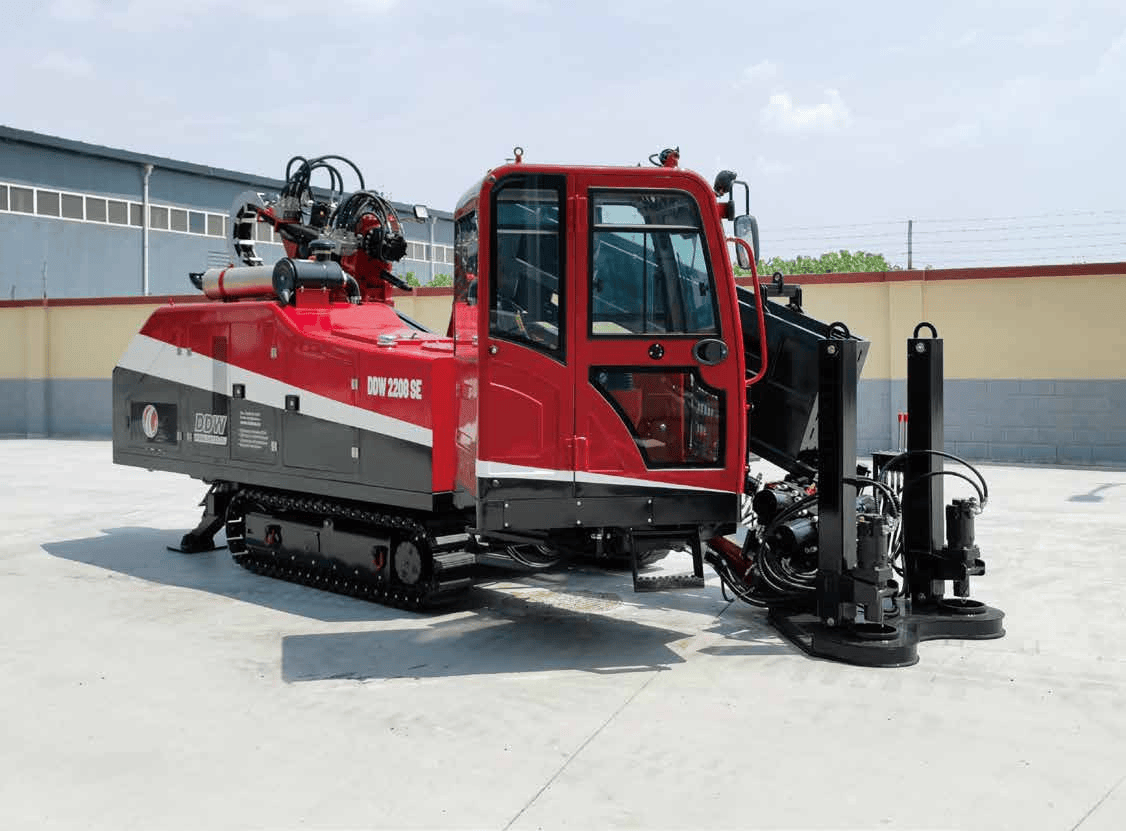

DDW22/08SE-HORIZONTAL DIRECTIONAL DRILL
DW/TXS Construction Equipment (Beijing) Co., Ltd.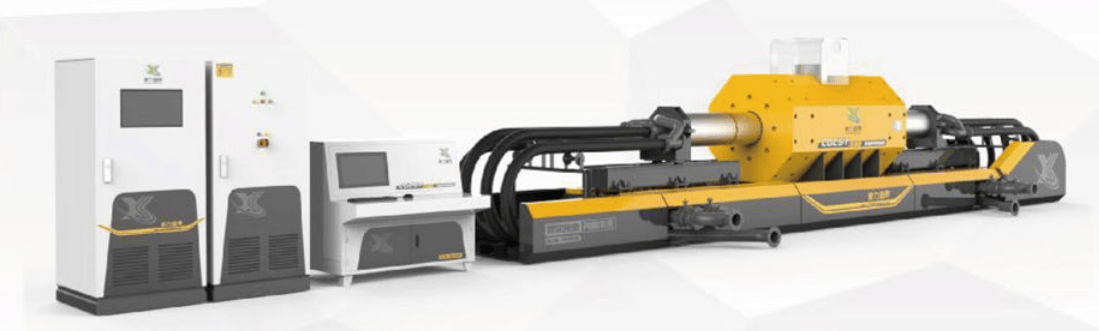
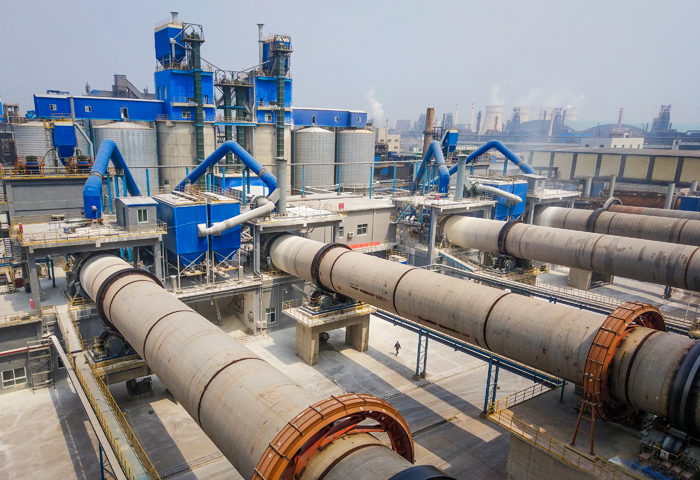
CITIC Heavy Industries Metallurgical Equipment Steel Smelting Engineering Equipment
CITIC Heavy Industries Co., Ltd.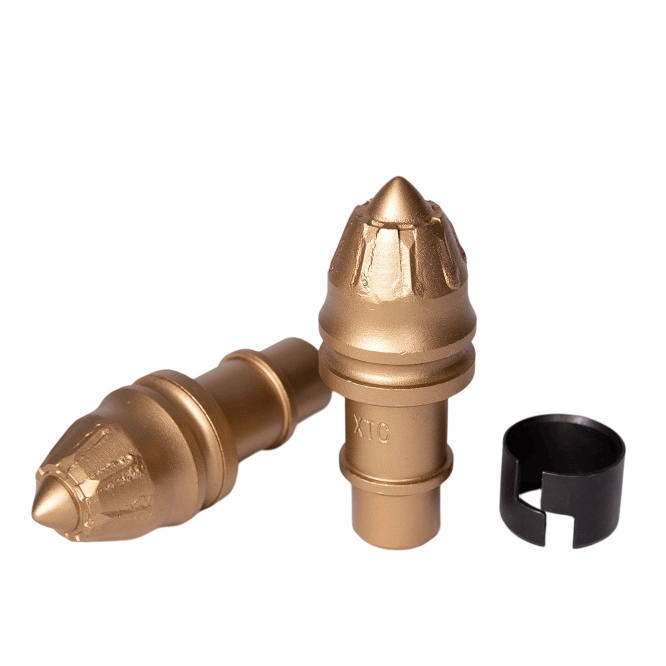
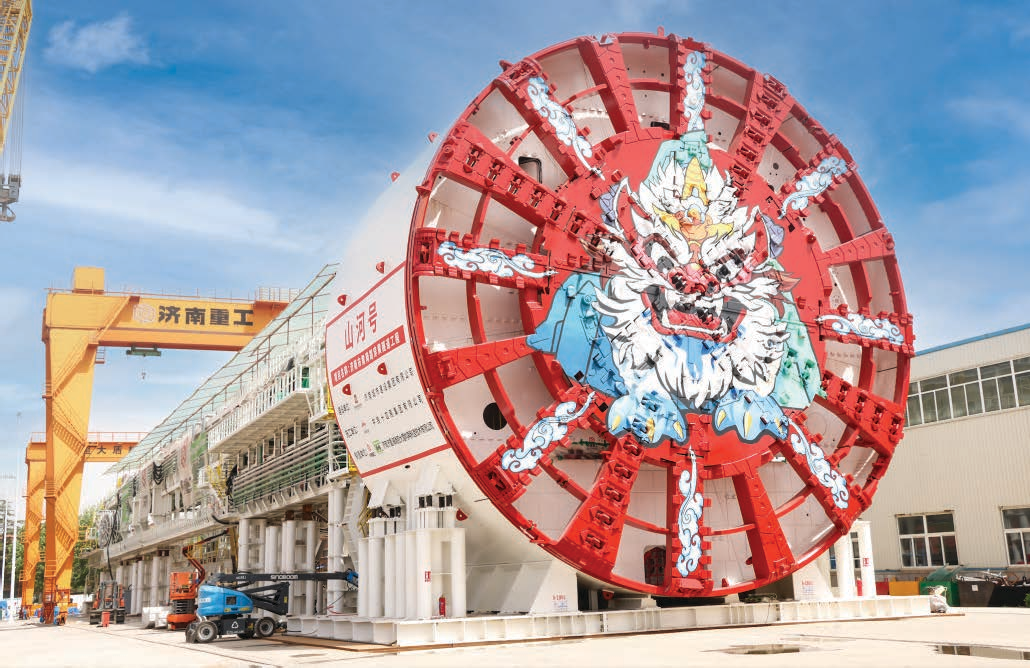
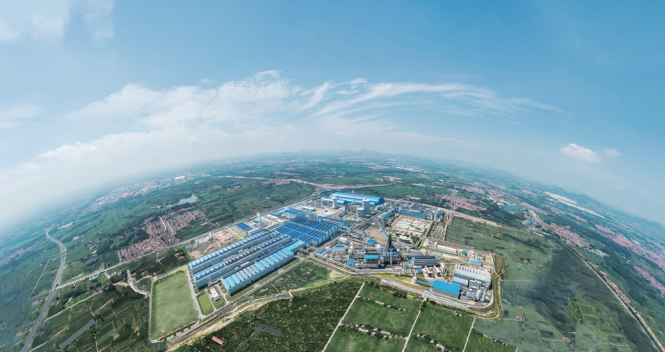
Linyi Steel Investment Special Steel 2.7 Million Tons per Year High-quality Special Steel Project
Capital Engineering & Research Incorporation Limited
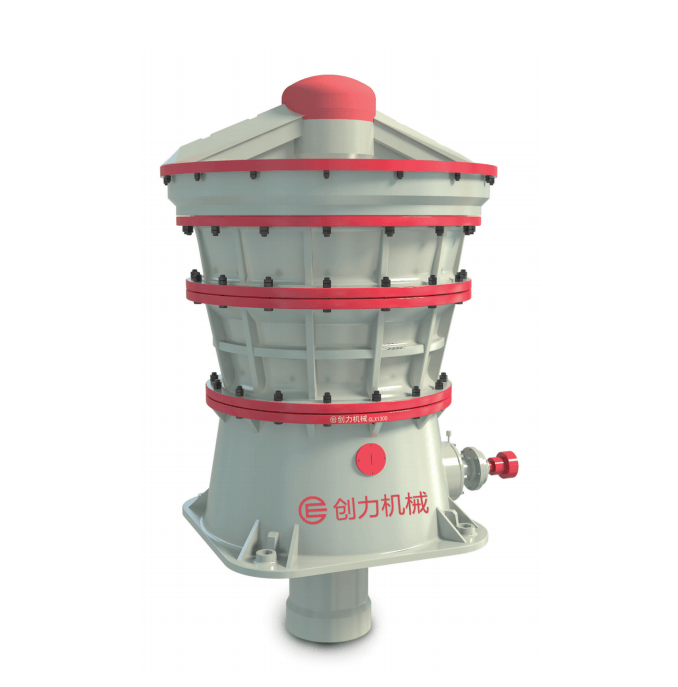
CLX Series Intelligent Hydraulic Gyratory Crusher
Guangdong CHUANGLI intelligent machinery Equipment Co., LTD

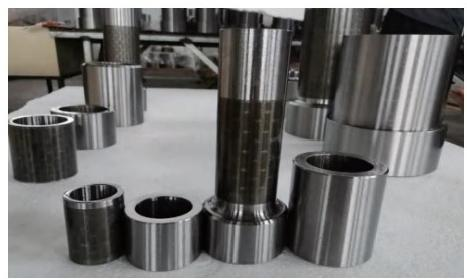
High-temperature Equal Wall Thickness High-power Screw Drilling Tool
Orient Energy & Technologies Co., Ltd.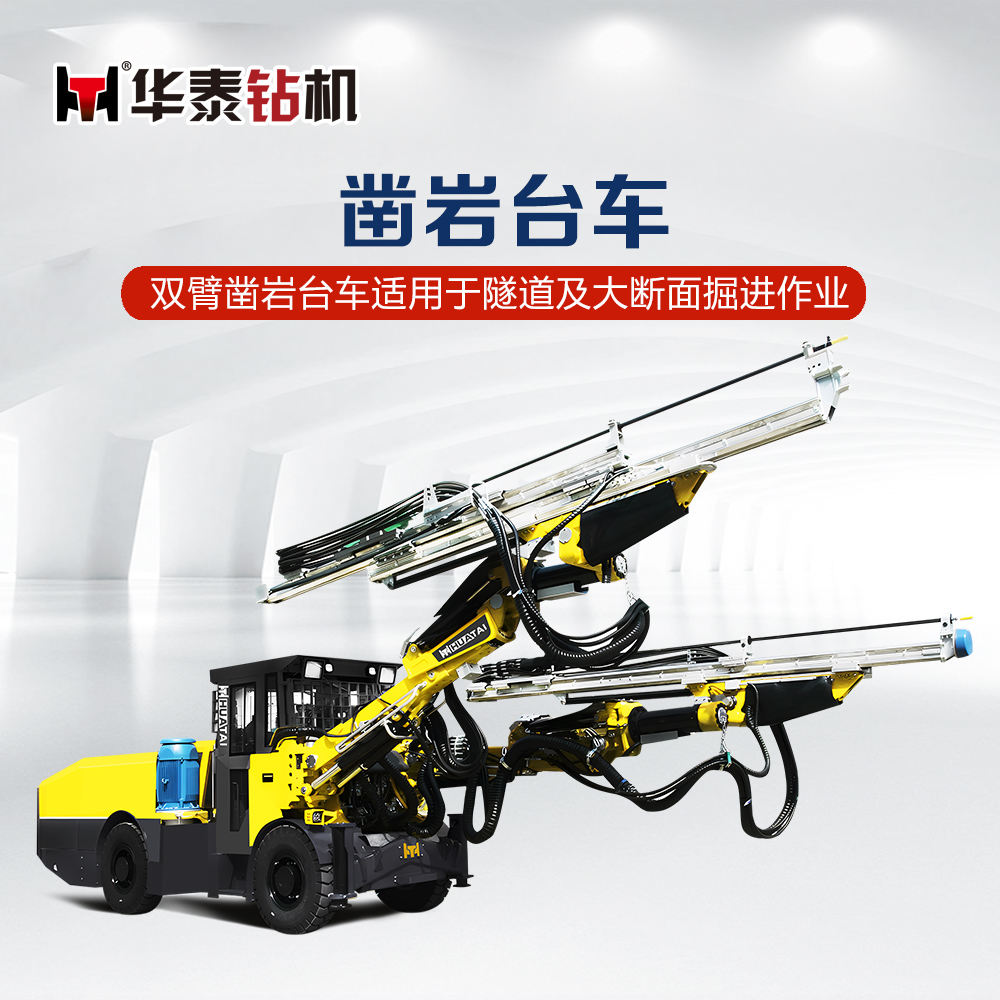
CYTJ45/2 Mining Hydraulic Tunneling Drill Rig
Zhangjiakou Xuanhua Huatai Mining and Metallurgical Machinery Co., Ltd.