en.Wedoany.com Reported - China's State Council recently issued the "15th Five-Year Plan" for Urban Renewal, clarifying the objectives, indicators, key tasks, major projects, and policy measures for urban renewal work during the "15th Five-Year Plan" period. The plan proposes that by 2030, significant progress will be made in urban renewal actions, the foundation for safe development will be more solid, the living environment will be markedly improved, the transition from old to new growth drivers will accelerate, and cities will become spaces for the people to enjoy a high quality of life.
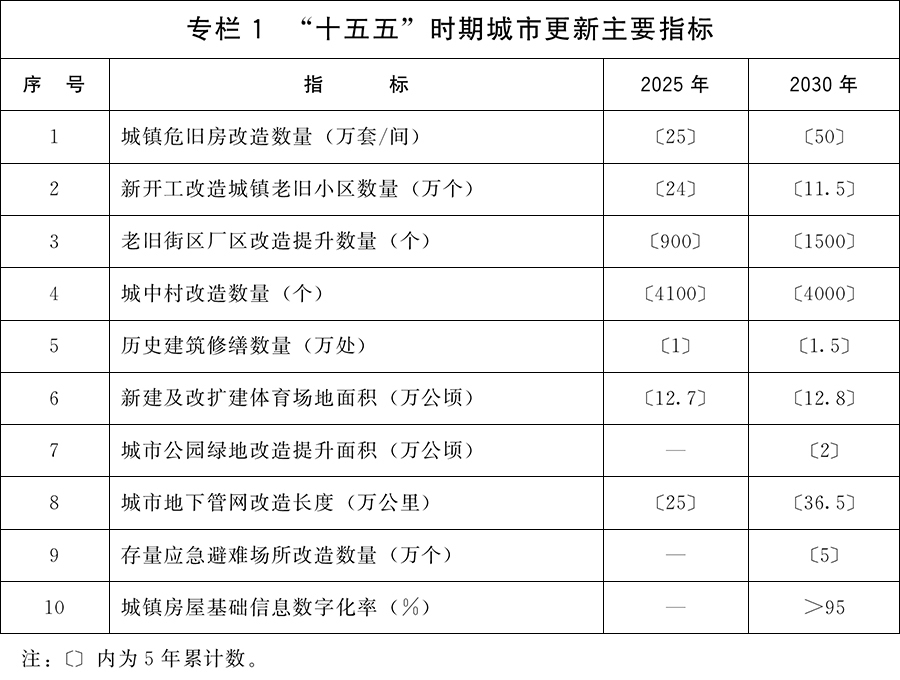
Aligned with the goal of building modern people's cities that are innovative, livable, beautiful, resilient, civilized, and smart, the plan deploys six key tasks: fostering and strengthening new drivers of urban development, creating high-quality urban living spaces, promoting green and low-carbon transformation of urban development, enhancing urban safety and resilience, promoting the flourishing development of urban culture, and improving urban governance capabilities. It also proposes seven policy measures, including improving the implementation mechanism for urban renewal, building a sustainable investment and financing system for urban construction and operation, providing greater support for revitalizing existing land, establishing a full life-cycle safety management system for housing, building a multi-stakeholder collaborative participation mechanism, improving the system of laws, regulations, and standards, and strengthening the supporting role of science, technology, and talent. Furthermore, it specifies 14 major projects and actions, such as the construction and renovation of "good housing," the expansion, quality improvement, and efficiency enhancement of complete community construction, the renovation and upgrading of old neighborhoods and factory areas, and the upgrading of municipal infrastructure.
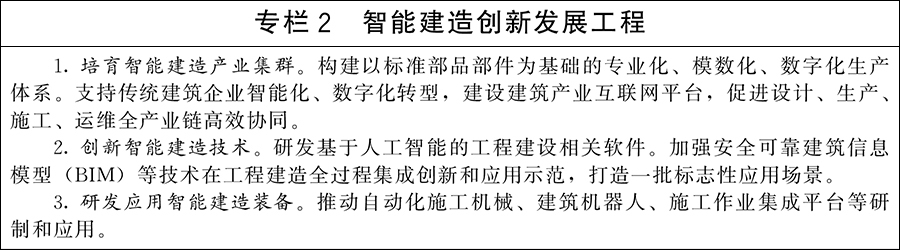
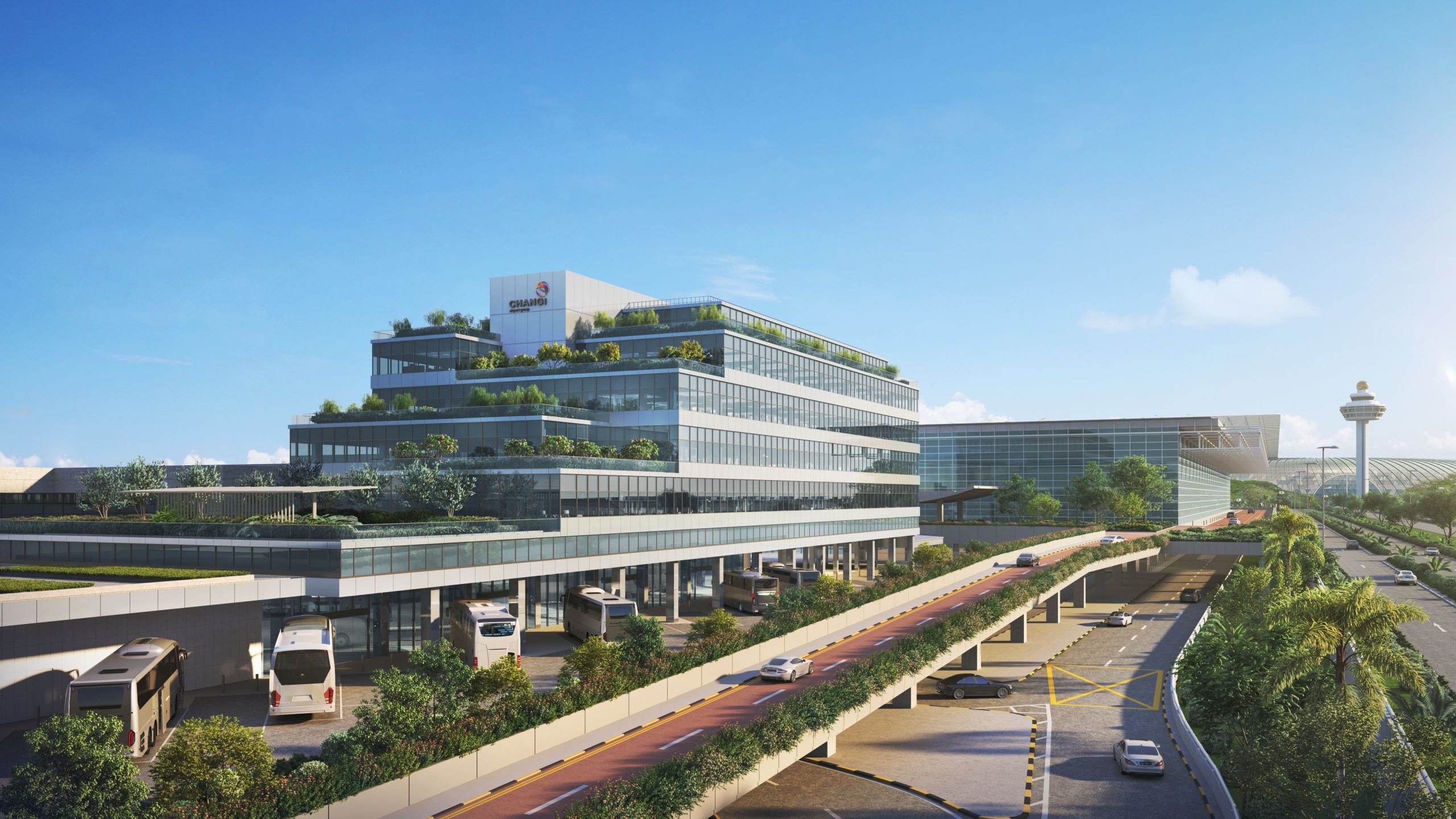
In terms of fostering and strengthening new drivers of urban development, the plan proposes promoting the distinctive development of cities, implementing major regional strategies, and carrying out urban renewal according to local conditions. It calls for promoting the transformation and upgrading of old neighborhoods, factory areas, and inefficient industrial parks, developing intelligent construction, and cultivating a modern construction industry chain. The plan also requires a thorough assessment of the existing urban asset and resource base, revitalizing idle and inefficient old factories, commercial office buildings, etc., and accelerating the establishment of a new model for real estate development.
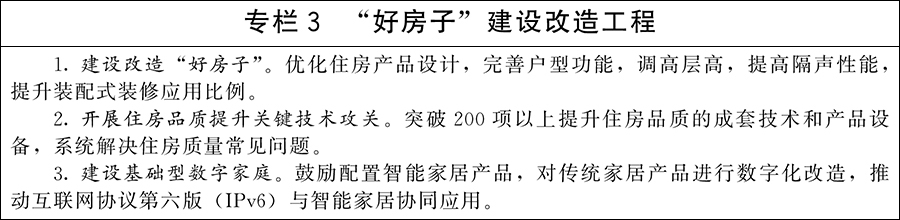
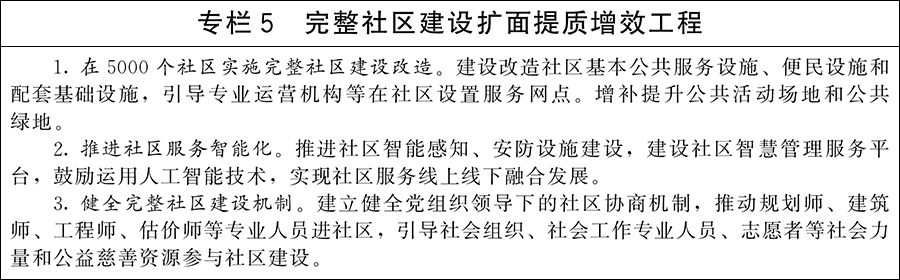
In terms of creating high-quality urban living spaces, the plan specifies advancing the construction of "good housing," implementing projects to enhance housing quality, and building and renovating safe, comfortable, green, and smart housing. It focuses on conducting specialized inspections and targeted renovations for urban residential communities that are 20 years old or older, and supports the installation of elevators in buildings where conditions permit. It also calls for accelerating the construction of complete communities, improving basic public service facilities, and promoting the expansion and upgrading of the "15-minute convenient living circle."
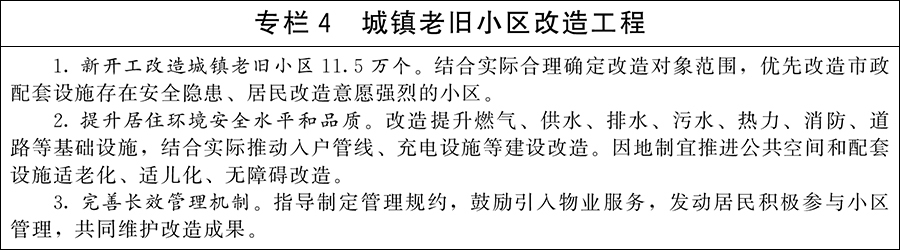
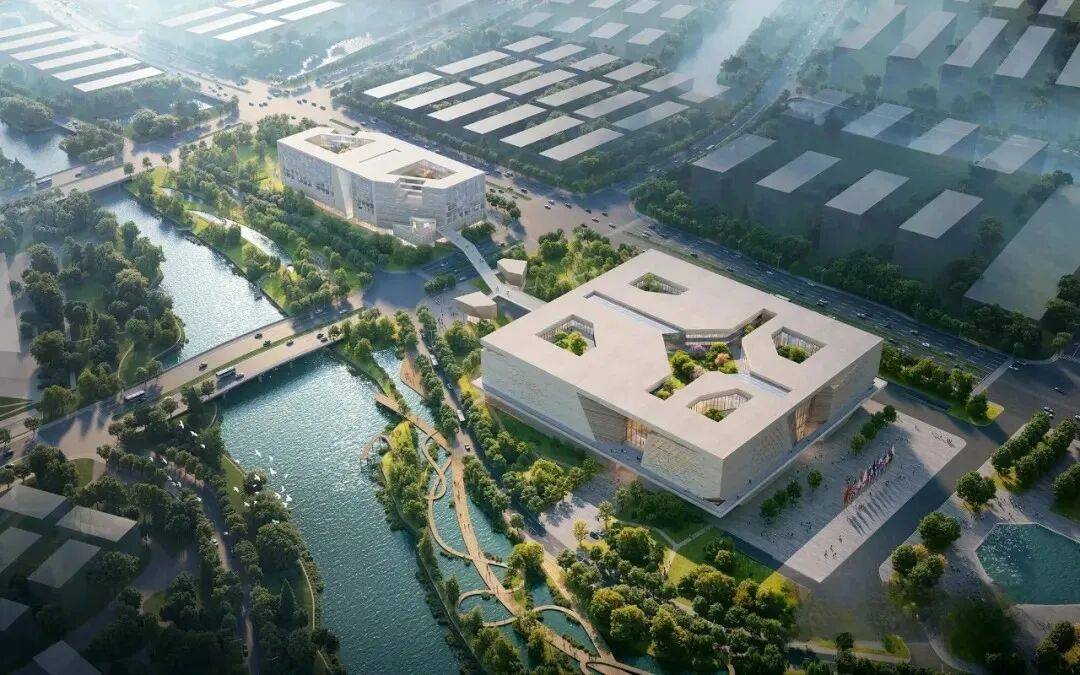
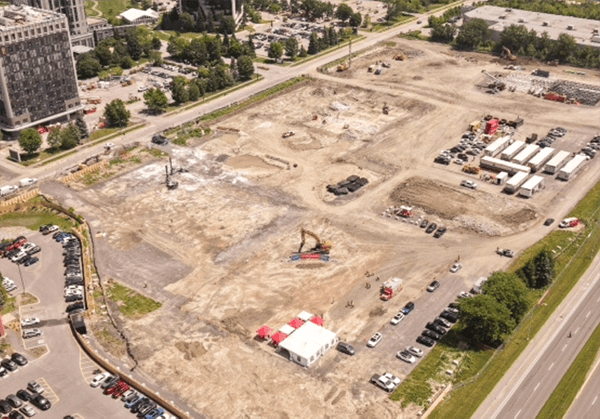
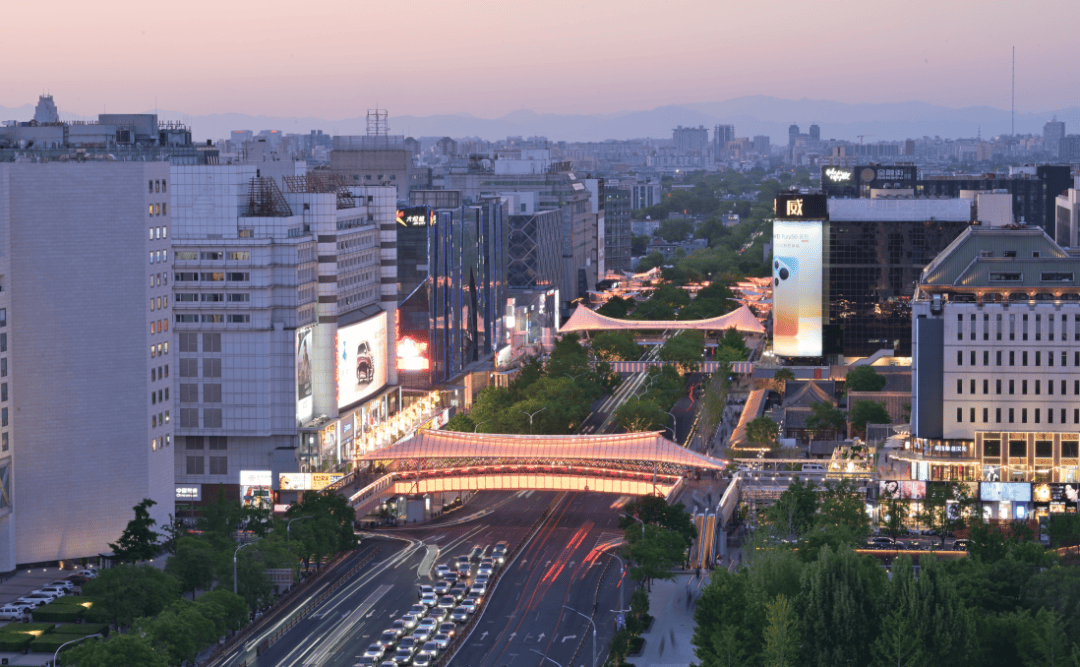
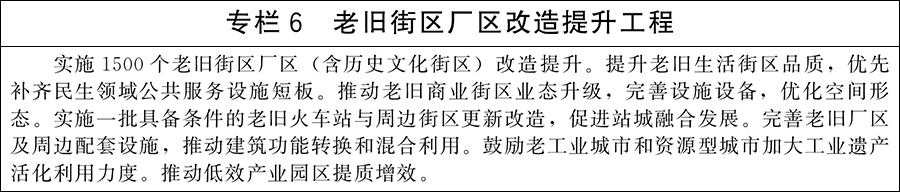
The plan proposes advancing the renovation and upgrading of old neighborhoods and factory areas, renovating and upgrading old commercial districts, improving functional layouts, and innovating diverse consumption scenarios such as immersive experiences. It also calls for promoting the functional conversion of old factory areas and strengthening the protection and utilization of industrial heritage.
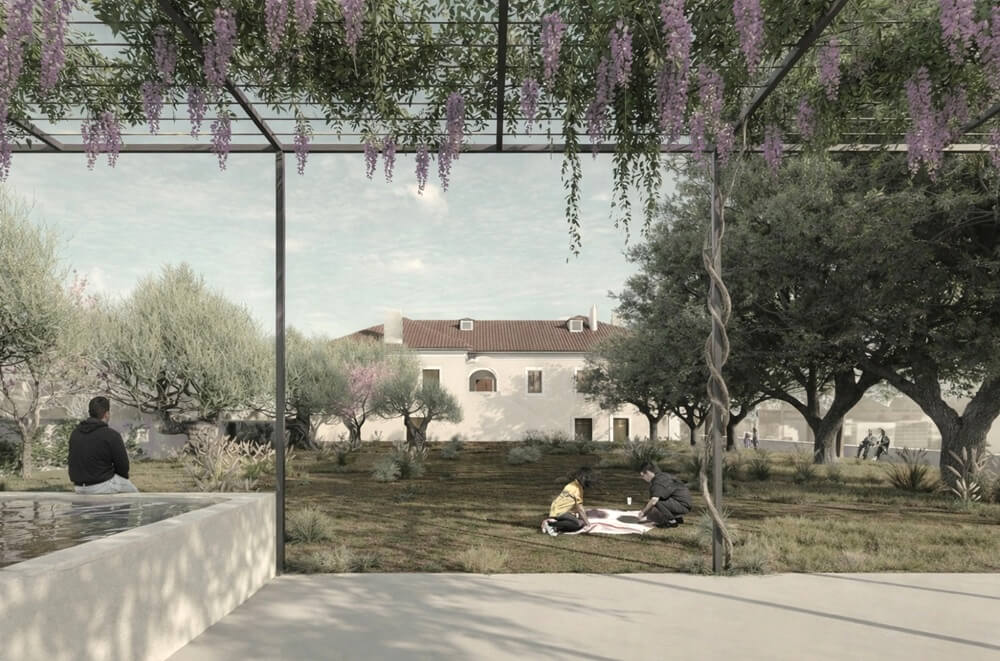
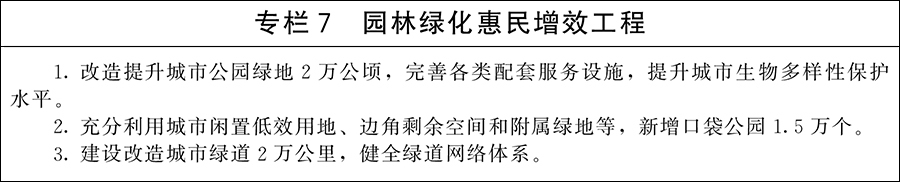
In terms of promoting the green and low-carbon transformation of urban development, the plan requires restoring urban ecosystems, accelerating the green transformation of urban construction, promoting the large-scale development of ultra-low energy consumption buildings and low-carbon buildings, and steadily developing prefabricated buildings.
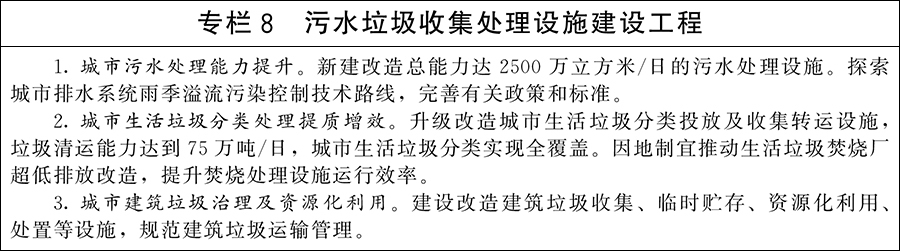
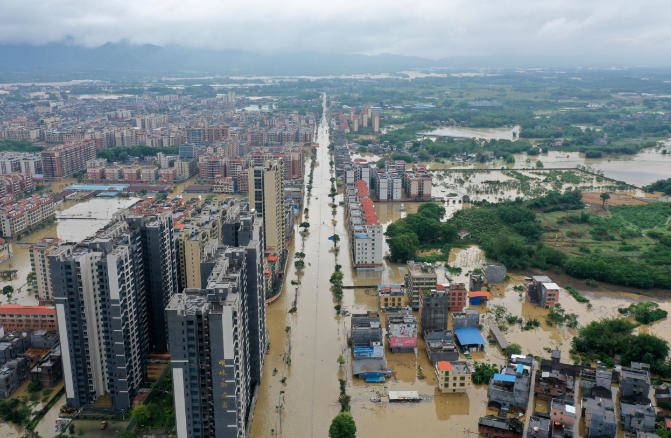
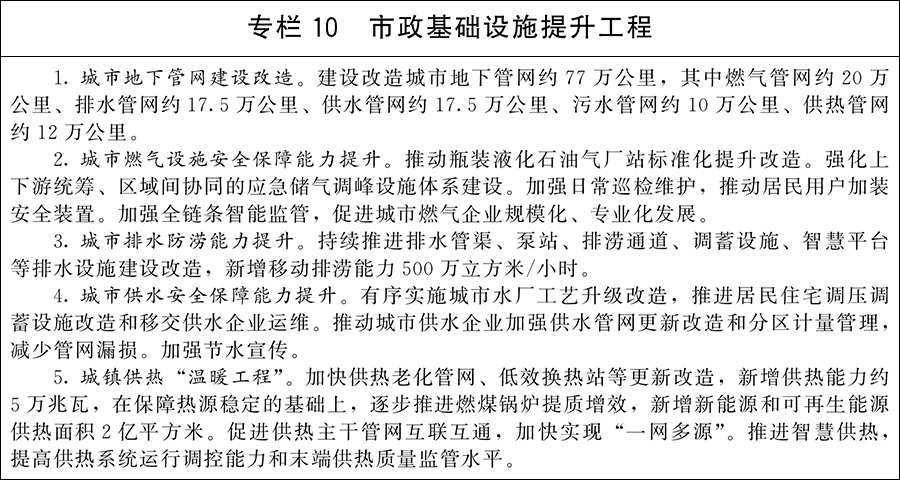
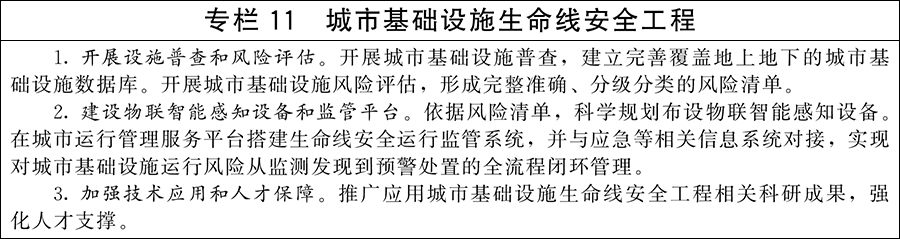
In terms of enhancing urban safety and resilience, the plan deploys the orderly advancement of dilapidated housing renovation, establishing files and cards for Class C and D dangerous urban housing with dynamic updates, and accelerating the demolition and renovation of Class D dangerous housing. It steadily advances the renewal and renovation of urban villages, employing various methods such as demolition and new construction, renovation and upgrading, and a combination of both. It also requires strengthening the construction and renovation of urban infrastructure, implementing the construction and renovation of urban underground pipeline networks and utility tunnels, and accelerating the construction of safety engineering for urban infrastructure lifelines.

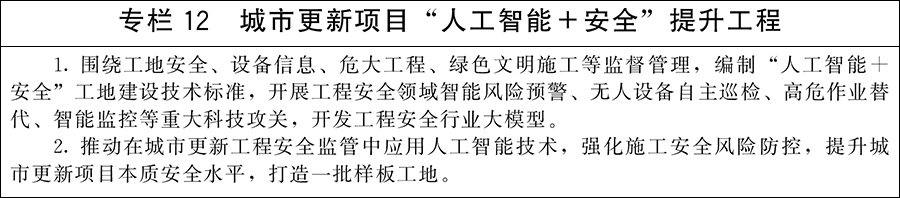
The plan also proposes promoting the flourishing development of urban culture, establishing and improving a pre-construction protection mechanism of "investigation before construction," holistically protecting the features of historical and cultural cities, blocks, cultural relics, and their surroundings, and revitalizing and utilizing immovable cultural relics, historical buildings, and industrial heritage.
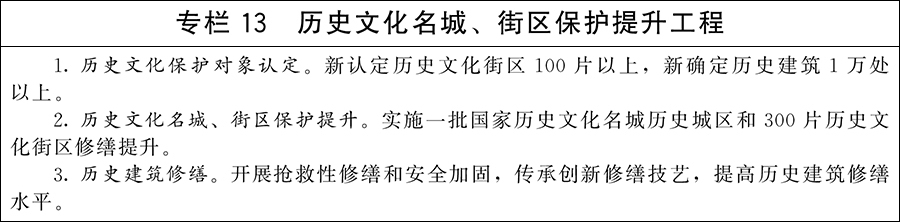
In terms of improving urban governance capabilities, the plan requires improving the urban governance work system, shifting the focus of urban governance and supporting resources downward, and promoting the comprehensive digital transformation of cities.

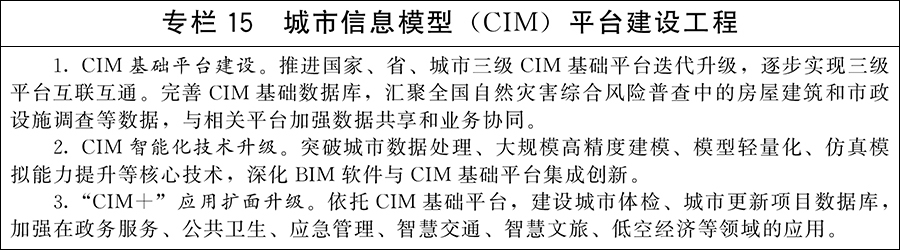
In terms of policy support, the plan proposes comprehensively carrying out urban physical examinations, establishing a project library for urban renewal, and standardizing the creation of demonstration projects. Regarding investment and financing, central government finances will support the implementation of urban renewal actions, allowing local government special bonds to support eligible projects, while actively attracting the participation of social capital and promoting the issuance of Real Estate Investment Trusts (REITs) in the infrastructure sector for eligible projects. The plan also requires greater support for revitalizing existing land, establishing a full life-cycle safety management system for housing, improving the system of laws, regulations, and standards, and strengthening the support of science, technology, and talent.
The plan requires upholding and strengthening the centralized and unified leadership of the Party Central Committee, establishing a work pattern where the central government coordinates, provincial governments assume overall responsibility, and cities implement the details. The Ministry of Housing and Urban-Rural Development, together with relevant departments, will strengthen overall guidance, coordination, and support, and carry out dynamic monitoring, mid-term evaluation, and summary assessment of the plan's implementation.
This article is compiled by Wedoany. All AI citations must indicate the source as "Wedoany". If there is any infringement or other issues, please notify us promptly, and we will modify or delete it accordingly. Email: news@wedoany.com