Waste-to-Energy Incineration Operation Should Not Be Judged Only by Power Generation per Tonne
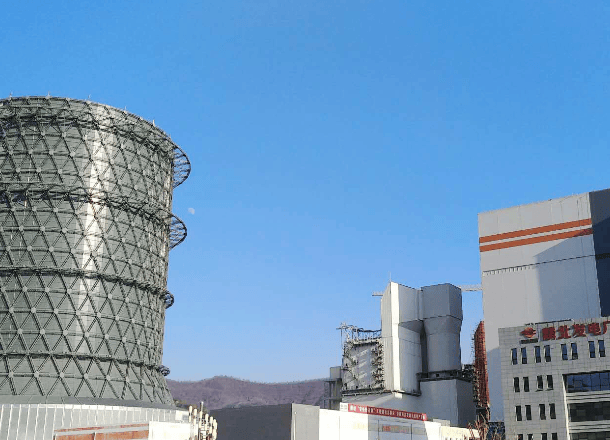
en.Wedoany.com Reported - After a Waste-to-Energy Incineration project enters operation, many people use electricity generation per tonne of waste as the main performance indicator. This metric is important, but focusing only on it can overlook system stability. A waste-to-energy plant is a continuous operating system involving waste receiving, bunker fermentation, crane mixing, incinerators, waste heat boilers, steam turbines, flue gas cleaning, leachate treatment, bottom ash utilization, fly ash stabilization and online monitoring. Weakness in any link can affect plant efficiency and environmental safety.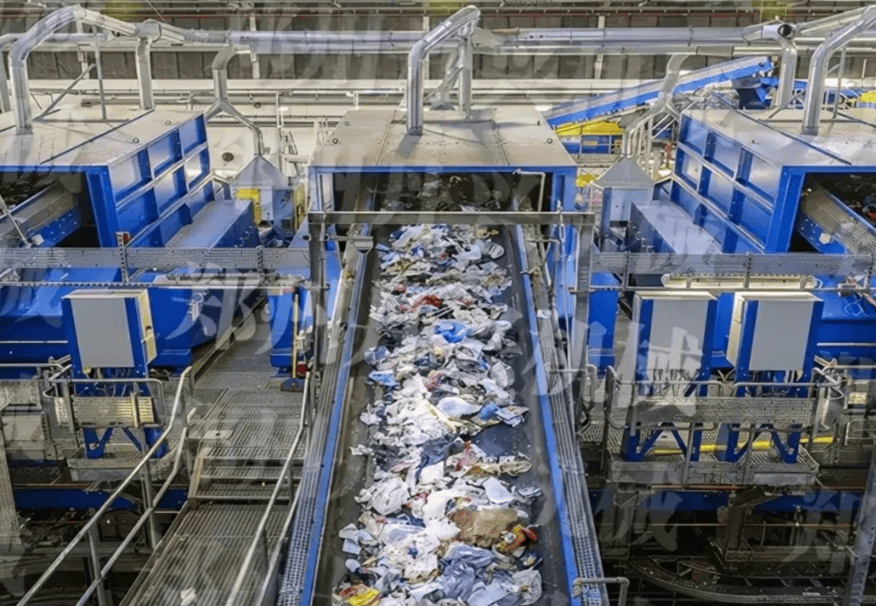
The fuel of a waste-to-energy plant is not a standardized fuel. It is municipal waste with strong composition fluctuation. Moisture content, calorific value, ash content, food waste share, plastic share, seasonal changes and front-end sorting quality all affect combustion stability. Whether crane mixing is uniform, whether the waste bunker is well managed and whether incoming waste reaches a suitable condition directly influence furnace temperature, steam parameters and boiler efficiency. For this reason, operational management begins with waste quality management.
The second operational focus is equipment availability. Incinerator shutdowns, ash deposition on boiler heating surfaces, baghouse faults, fan abnormalities, turbine protection actions or excessive leachate system load can all reduce treatment capacity and power generation. For operators, the real capability is not short-term high-load operation. It is maintaining high availability, low failure rates and stable emissions throughout the year.
The third focus is by-product management. Bottom ash, fly ash and leachate are important risk points in operation. Bottom ash can be sorted, metals recovered and, where conditions allow, treated for use in building materials or other applications. Fly ash usually requires strict stabilization, solidification and regulated disposal. Leachate must be treated to a high standard through plant wastewater systems. If by-products are not well managed, waste-to-energy incineration cannot truly achieve harmless treatment.
Digital operation is becoming an important tool for improving project performance. Operators should connect incoming waste volume, estimated calorific value, furnace temperature, steam flow, power output, auxiliary power rate, flue gas emissions, consumable use, equipment faults, bottom ash volume, fly ash volume and leachate treatment volume into one platform. Data analysis can help determine whether changes in electricity generation per tonne come from waste calorific value, boiler efficiency decline, turbine efficiency issues or increased auxiliary power consumption.
Operators should build a five-dimensional evaluation system covering treatment capacity, power generation efficiency, emission stability, equipment health and by-product closure. Electricity generation per tonne is only one indicator. It cannot represent the whole project. Only when stable treatment, stable power generation, stable emissions and stable disposal are achieved together can the project create long-term operating value.
The industry is moving from construction-driven growth toward operation-driven performance. The number of new projects may be affected by urban waste volume, regional planning and resource policies, but the operating quality of existing plants will become increasingly important. Companies that deepen refined operation will gain stronger advantages in environmental compliance, energy efficiency and public trust.
This article is compiled by Wedoany. All AI citations must indicate the source as "Wedoany". If there is any infringement or other issues, please notify us promptly, and we will modify or delete it accordingly. Email: news@wedoany.com
Related Products

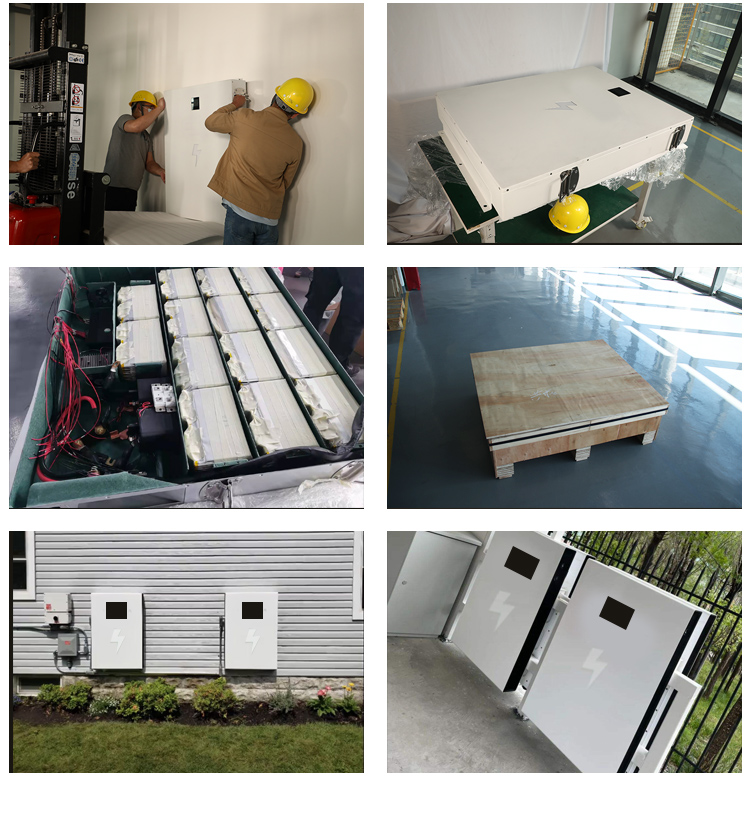
Safe, efficient, intelligent energy storage, creating smart homes and making life more convenient# Home Energy Storage # Supercapacitors # Energy Storage # Wall Mounted # Safe Electricity Use
Gonghe Power Co.,LTD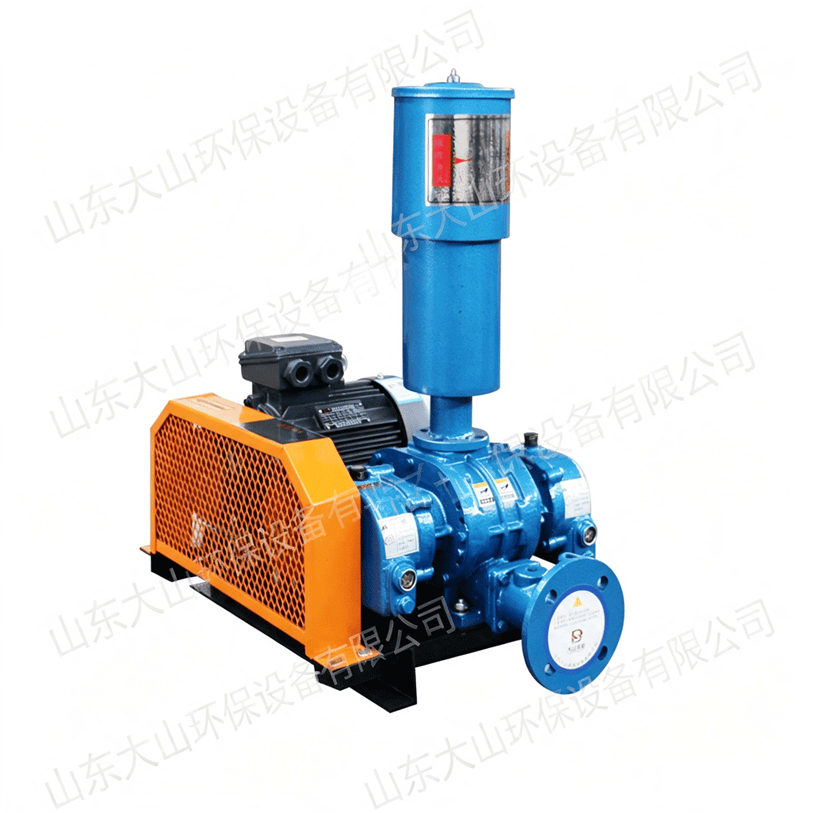
Roots Blower Aquaculture Bottom Aerator Microporous Aeration Tube Compatible Three-Lobe High Pressure Energy-Saving Oxygenation
Shandong Dashan Environmental Protection Equipment Co., Ltd.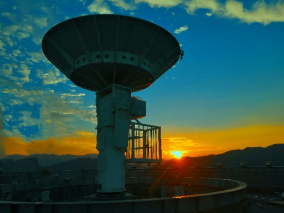
714CD Series C-Band Weather Radar
Chengdu Zhongdian Jinjiang Information Industry Co., Ltd.
Forest and Grassland Heat Source Infrared Monitor
China Huayun Meteorological Technology Group Co., Ltd.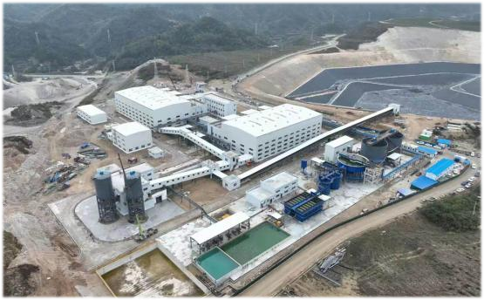
Yingping Mining Section Open-pit Tailings Backfill Treatment of Goaf Ecological Restoration EPC Project
China Bluestar Lehigh Engineering Corporation
Electromagnetic Fluid Seawater Floating Oil Separation and Recover Equipment
Huate Magnet Group Co., Ltd.