en.Wedoany.com Reported - German automation and electrical connection technology company WAGO has launched its second-generation edge computers, targeting industrial field control, data processing, device networking, and digital applications, with a focus on improving processor performance, device memory, and communication expansion capabilities.
The core change in the second-generation edge computers is pushing industrial edge devices from single data collection nodes further toward field-level computing platforms. As industrial enterprises advance digital transformation, increasing amounts of data are generated at production equipment, sensors, control cabinets, production line units, and the edge of plant networks. Uploading all data to the cloud for processing would not only increase latency and bandwidth pressure but also impose additional burdens on data security, system stability, and downtime risks. The role of industrial edge computers like WAGO's is to aggregate data, perform protocol conversion, real-time analysis, visualization, and application deployment near equipment and control systems, enabling factories to process critical information locally—such as machine status, energy consumption, quality, alarms, maintenance, and production line cycle times. For manufacturing, energy facilities, building automation, and process industries, edge computing is transitioning from an "auxiliary gateway" to a foundational component of on-site digital architecture.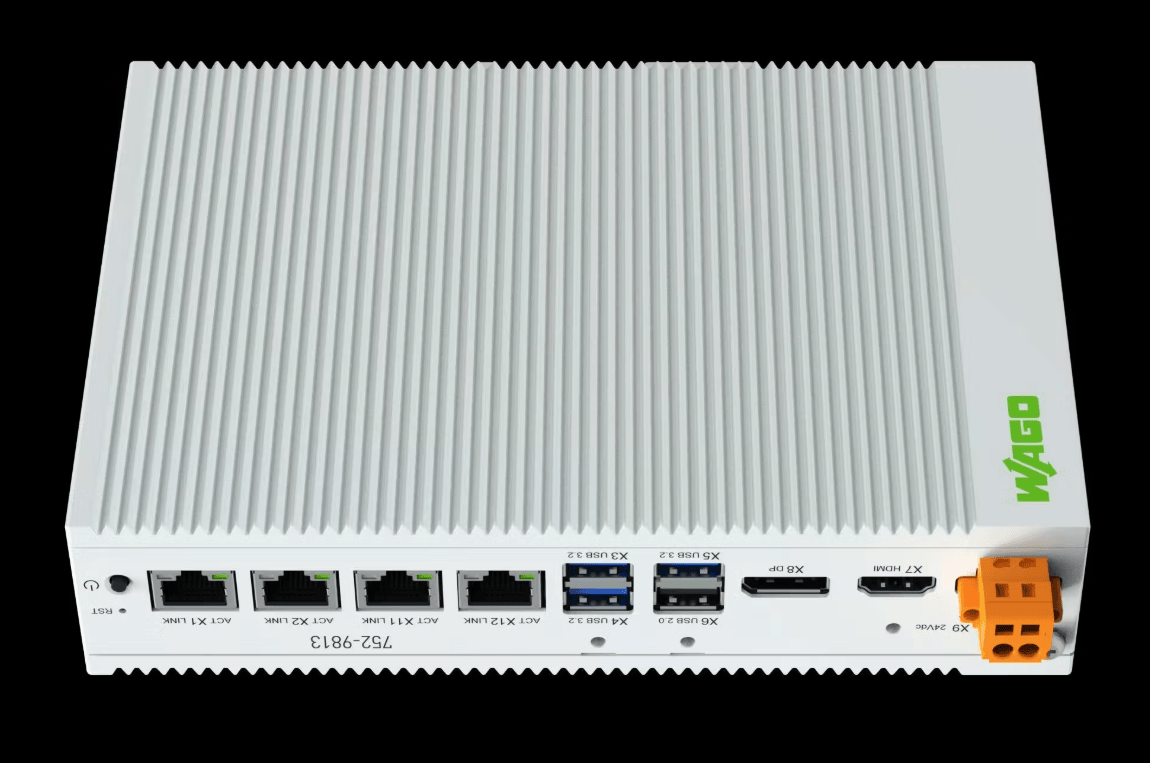
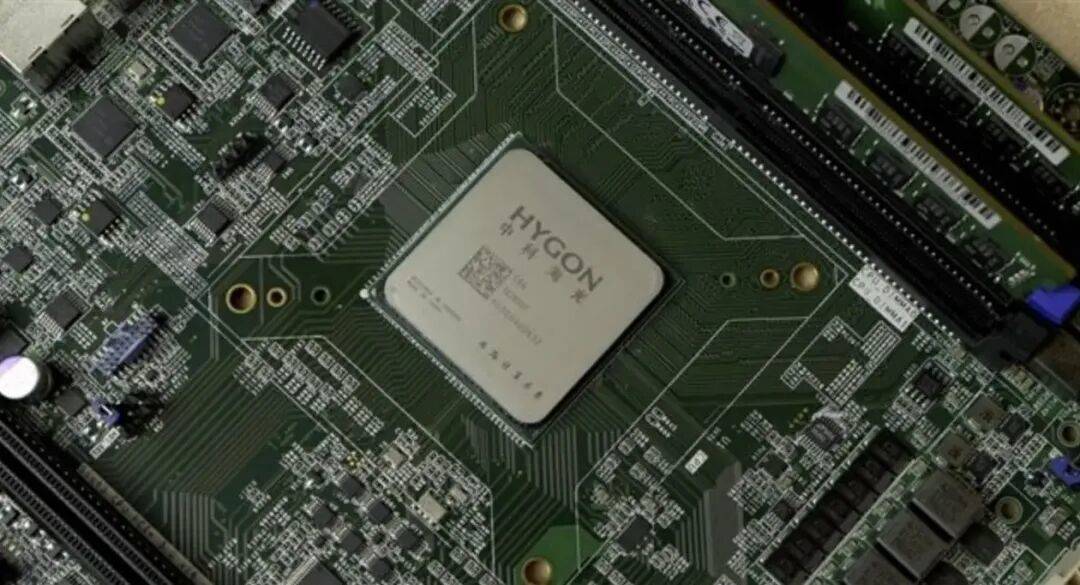
In terms of product specifications, WAGO's second-generation edge computers include models such as 752-9813 and 752-9412. The 752-9813 is equipped with an 11th-generation Intel Core i7-1185G7E quad-core processor, 32GB DDR4 memory, 256GB M.2 SSD storage, and 4 Ethernet ports; the 752-9412 features an Intel Atom X6413E quad-core processor, 16GB memory, 128GB M.2 SATA SSD storage, and 2 Ethernet ports.
These configuration improvements have direct significance for industrial sites. More memory and higher-performance processors enable the edge to run multiple applications simultaneously, including data cleaning, condition monitoring, machine learning inference, dashboard visualization, database caching, industrial protocol conversion, and lightweight application services. According to WAGO official and channel materials, the second-generation edge computers are based on the Linux platform and can install applications such as Docker containers, Node-RED, and Grafana, and are also suitable for industrial software scenarios like Cumulocity IoT and Ignition Edge. Compared to traditional PLCs or simple gateways, industrial edge computers are better suited for intermediate tasks between IT and OT: connecting on one end to field devices, control systems, and industrial networks, and on the other end to cloud platforms, enterprise software, and data analysis systems, transforming data originally scattered across devices into manageable, analyzable, and reusable industrial data assets.
Communication expansion capability is also a key direction for the second-generation products. Public information shows that WAGO has added communication options such as Ethernet, serial ports, and CAN to the second-generation edge computers through integrated expansion enclosures and online configuration tools, enabling customization based on different production lines, machines, and control networks. The reality of industrial sites is often complex, with a mix of old and new equipment, coexisting protocols, diverse equipment suppliers, and strict network segmentation. Without flexible interfaces, edge devices struggle to enter existing factory renovation projects. Configurable communication capabilities can reduce system integration difficulty, allowing edge computers to serve not only new production lines but also scenarios such as old equipment retrofitting, energy management, remote operation and maintenance, and predictive maintenance.
From an industry trend perspective, WAGO's launch of second-generation edge computers reflects that industrial automation companies are shifting their product focus from hardware connections, I/O modules, and controllers to edge computing power, data governance, and software ecosystems. With increasing demand for AI inspection, digital twins, equipment health management, and low-latency control, industrial sites require more stable, secure, and long-running local computing nodes. The key to subsequent application deployment will center on software compatibility, field reliability, network security, integration costs, and industry solution accumulation. If the second-generation edge computers can serve as data gateways, analysis nodes, and application runtime platforms in more factory projects, WAGO will secure a clearer position in the industrial edge computing infrastructure.
This article is compiled by Wedoany. All AI citations must indicate the source as "Wedoany". If there is any infringement or other issues, please notify us promptly, and we will modify or delete it accordingly. Email: news@wedoany.com