en.Wedoany.com Reported - In Farmland Soil Improvement, increasing soil organic matter is one of the most basic, important and long-term tasks. Many cases of farmland degradation do not occur suddenly. They result from years of intensive cultivation, excessive dependence on chemical fertilizers, straw removal, shallow plough layers and declining biological activity. When soil organic matter is low, water and nutrient retention weaken, aggregate structure deteriorates, resistance to drought and waterlogging declines and the crop root environment becomes poorer.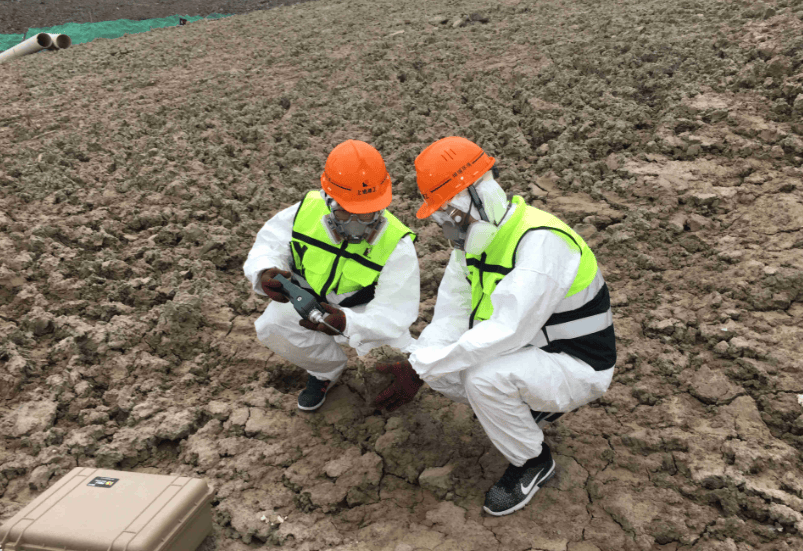
Organic matter is not simply a fertilizer. It is a foundation of the soil system. It affects soil structure, porosity, microbial activity, slow nutrient release, cation exchange capacity and carbon storage. In sandy soils, organic matter improves water and nutrient retention. In heavy clay soils, it improves aeration and structural stability. In farmland with long-term nutrient imbalance, organic matter strengthens buffering capacity and reduces the risk of declining fertilizer efficiency.
Organic matter improvement should not rely on one measure alone. Straw return, organic fertilizer application, green manure, compost, livestock manure utilization, biochar and conservation tillage can all contribute. However, suitable methods differ by region, cropping system and mechanization conditions. In paddy fields, straw return must consider return volume, decomposition and methane emissions. In dryland fields, straw cover must consider pests and seeding quality. Organic fertilizer use must consider maturity, heavy metals and antibiotic residue risks.
The most easily overlooked issue is the mismatch between input timing and benefit timing. Farmers often expect results within one season, but building soil organic matter takes years. In the short term, organic fertilizer and straw return may increase labor, machinery and management costs. In the long term, they improve soil fertility, reduce part of the dependence on chemical fertilizers, strengthen crop stress resistance and stabilize yields. Soil improvement projects should therefore treat organic matter improvement as a long-term investment rather than a temporary action.
Engineering implementation requires stable resource supply. Straw, livestock manure, compost, biogas residue, green manure and agricultural processing by-products can all become soil improvement resources, but they must be treated and quality-controlled. Insufficiently decomposed organic material may cause seedling damage, pathogens, weed seeds or odor. Organic fertilizer from unclear sources may introduce heavy metals or pollutants. Farmland soil improvement should not replace old problems with new contamination.
Organic matter improvement should be combined with soil testing and formula fertilization. Soil organic matter, nutrient status and crop demand should be assessed first, then organic fertilizer, chemical fertilizer and soil improvement measures should be combined. Low-organic-matter soils need gradual organic input. Protected cultivation soils also require attention to salinity and nutrient excess. In major grain-producing areas, straw return, green manure rotation and mechanized subsoiling should be promoted together.
For agriculture to achieve stable yield, high productivity and green development, soil organic matter must be treated as a core indicator. The real effect of farmland soil improvement should not be judged only by current-year yield. It should also be judged by whether the soil becomes more biologically active, better at storing water and nutrients and more resilient to climate fluctuation. Increasing organic matter is building the foundation for long-term farmland productivity.
This article is compiled by Wedoany. All AI citations must indicate the source as "Wedoany". If there is any infringement or other issues, please notify us promptly, and we will modify or delete it accordingly. Email: news@wedoany.com