Ethiopia's Kubik Turns Plastic Waste into Bricks, Processing 45,000 kg Daily
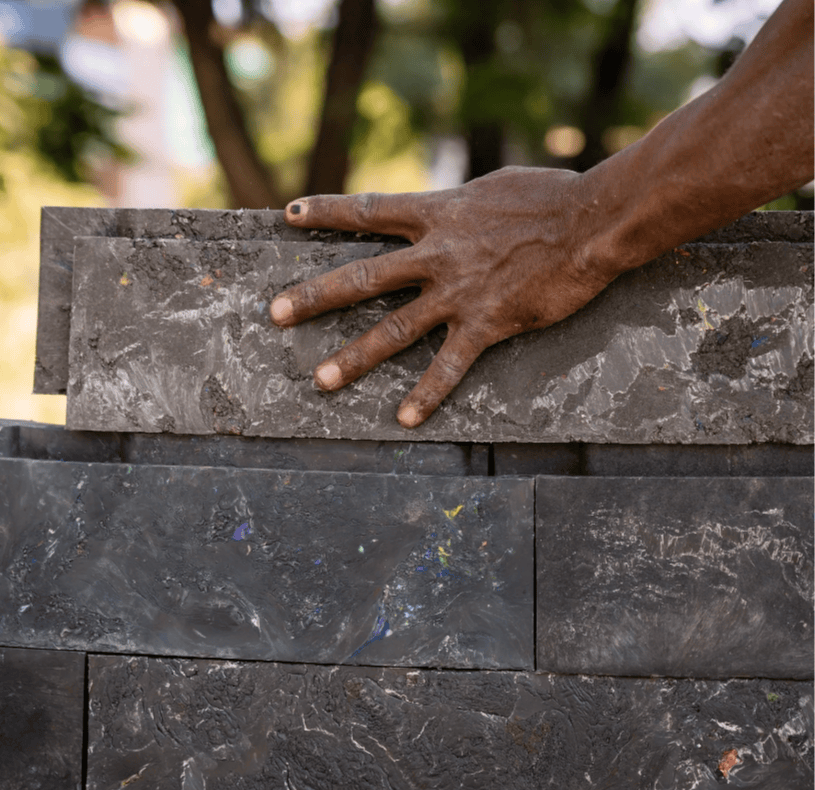
en.Wedoany.com Reported - Ethiopian environmental technology company Kubik uses hard-to-recycle plastic waste to manufacture interlocking building components, with its products saving an average of 40% on construction costs and emitting only one-fifth the carbon of traditional cement-based blocks. The company helps local communities repurpose approximately 45,000 kilograms of plastic waste daily.
According to the Organisation for Economic Co-operation and Development (OECD), the global volume of plastic waste generated is expected to exceed 1 billion tonnes by 2060, tripling current levels. Per capita plastic waste generation in developed countries is still projected to be the highest, but regions such as Africa and Asia are expected to see the fastest growth in plastic waste due to rapid population growth and urbanization.
Headquartered in Addis Ababa, Ethiopia, Kubik was founded in 2021 by Kidus Asfaw. The company transforms plastic waste into affordable, low-carbon building materials, addressing climate change, reducing the carbon footprint of construction, and helping to tackle the local housing crisis. Its technical approach involves converting hard-to-recycle plastic waste—including polyethylene, polypropylene, and polystyrene—into durable, structural building materials. While the source of raw materials has not been disclosed, it may include household durables, automotive parts, electrical enclosures, and more.
Kubik's interlocking system enables rapid assembly, saving an average of 40% in costs compared to traditional masonry techniques. Developers can construct walls without using cement, aggregates, or steel reinforcement. According to a TechCrunch interview with Asfaw, the structural integrity of these components is comparable to cement-based structures, and the bricks, columns, and beams are fire-resistant and durable over the long term without degradation.
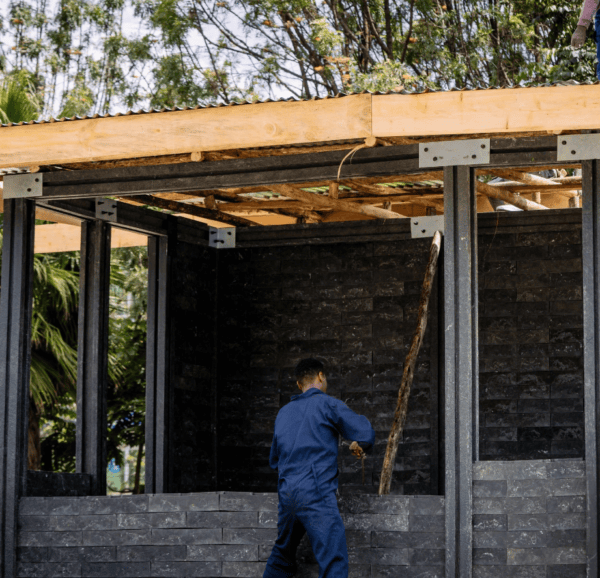
Although Kubik has not disclosed its specific manufacturing process, Asfaw outlined key steps in an interview with Connecting Africa: first, plastic waste is collected and sorted, then washed and inspected for contamination and debris. Through a partnership with the city of Addis Ababa, the cleaned and sorted plastic is sent to its Ethiopian factory in the Adama Industrial Park. The company uses a proprietary extrusion-based upcycling technology to melt and reshape the material into structural components such as bricks, beams, panels, and columns, ultimately forming high-quality interlocking building components.
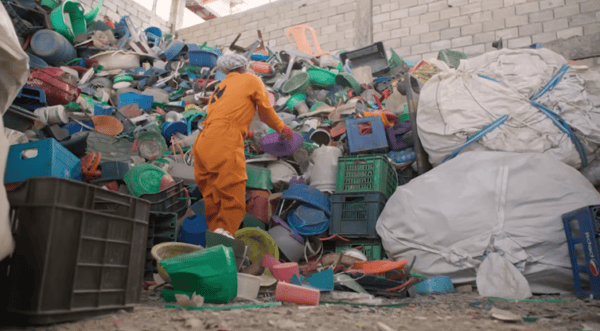
Kubik supports local communities by providing employment opportunities in manufacturing and supply chain operations, thereby strengthening the development of surrounding areas.
This article is compiled by Wedoany. All AI citations must indicate the source as "Wedoany". If there is any infringement or other issues, please notify us promptly, and we will modify or delete it accordingly. Email: news@wedoany.com
Related Products

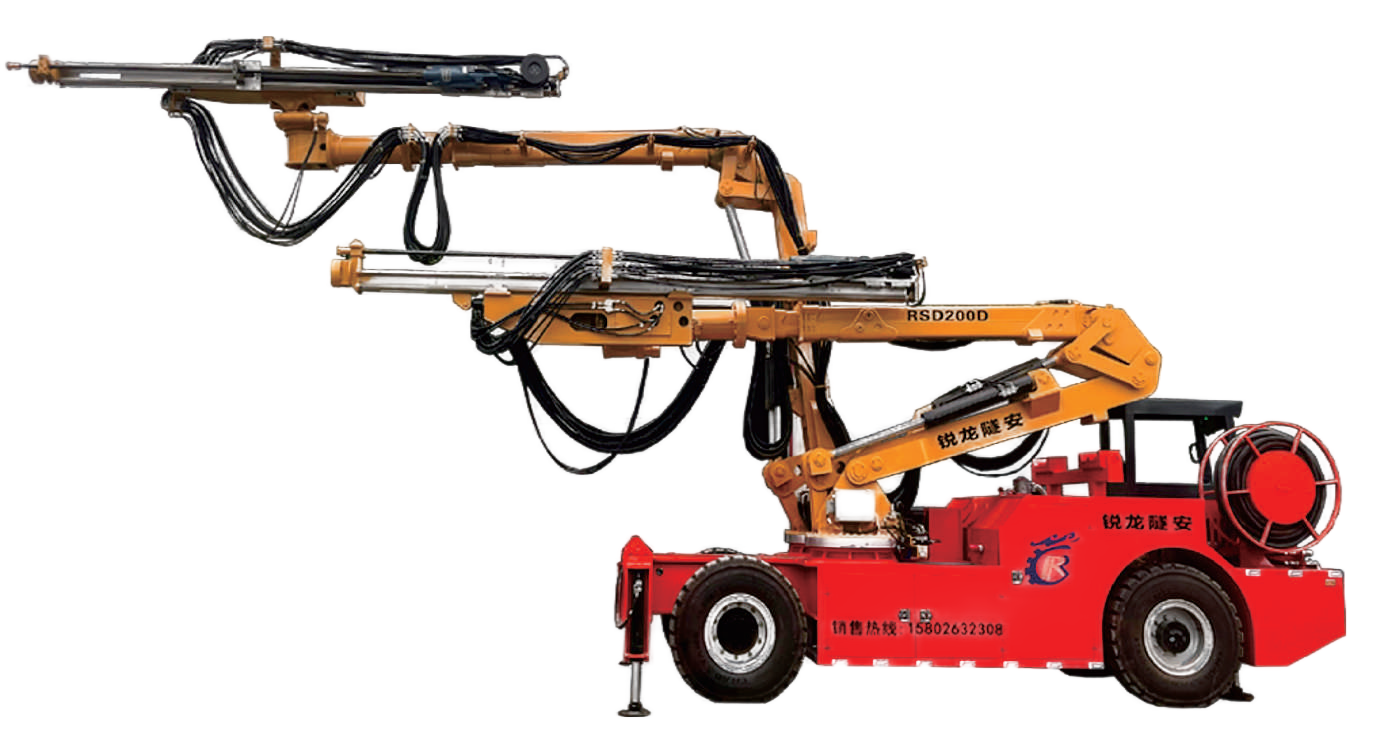
Dual-curved Arm Rock Drilling Trolley RSD200D
Chengdu Ruilong Machinery Manufacturing Co., Ltd.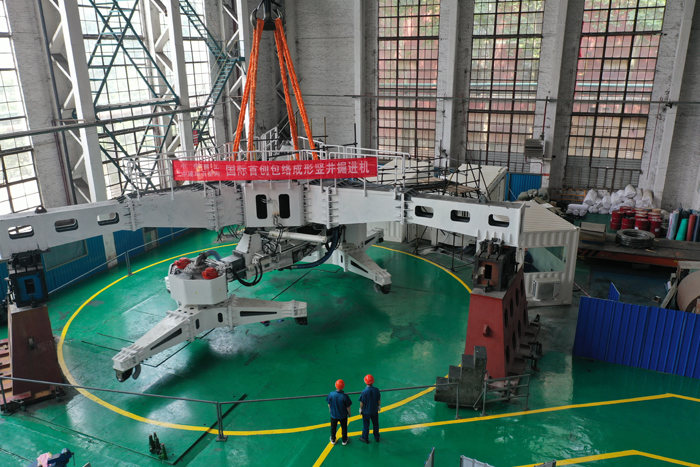
CITIC Heavy Industries Tunneling Equipment Tunnel Engineering Shield Machine
CITIC Heavy Industries Co., Ltd.


Industrial and Commercial Point-Type Gas Detector
Jinan Benan Technology Development Co., Ltd.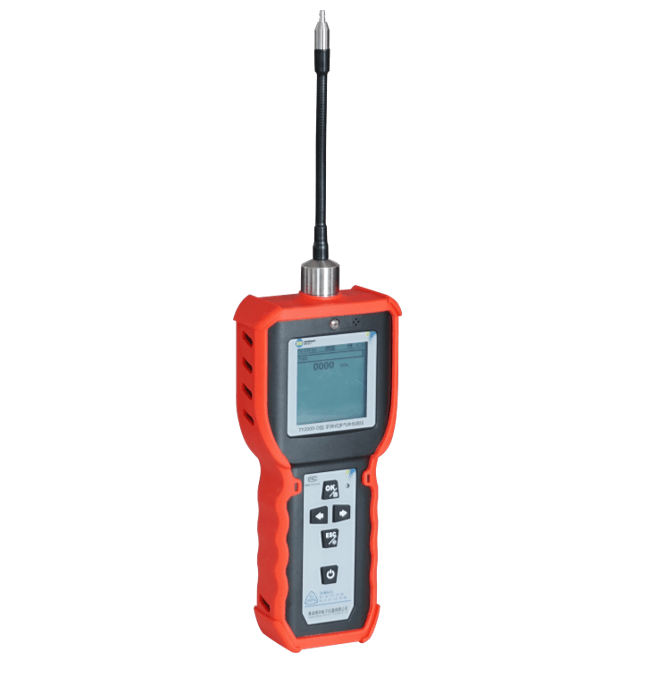
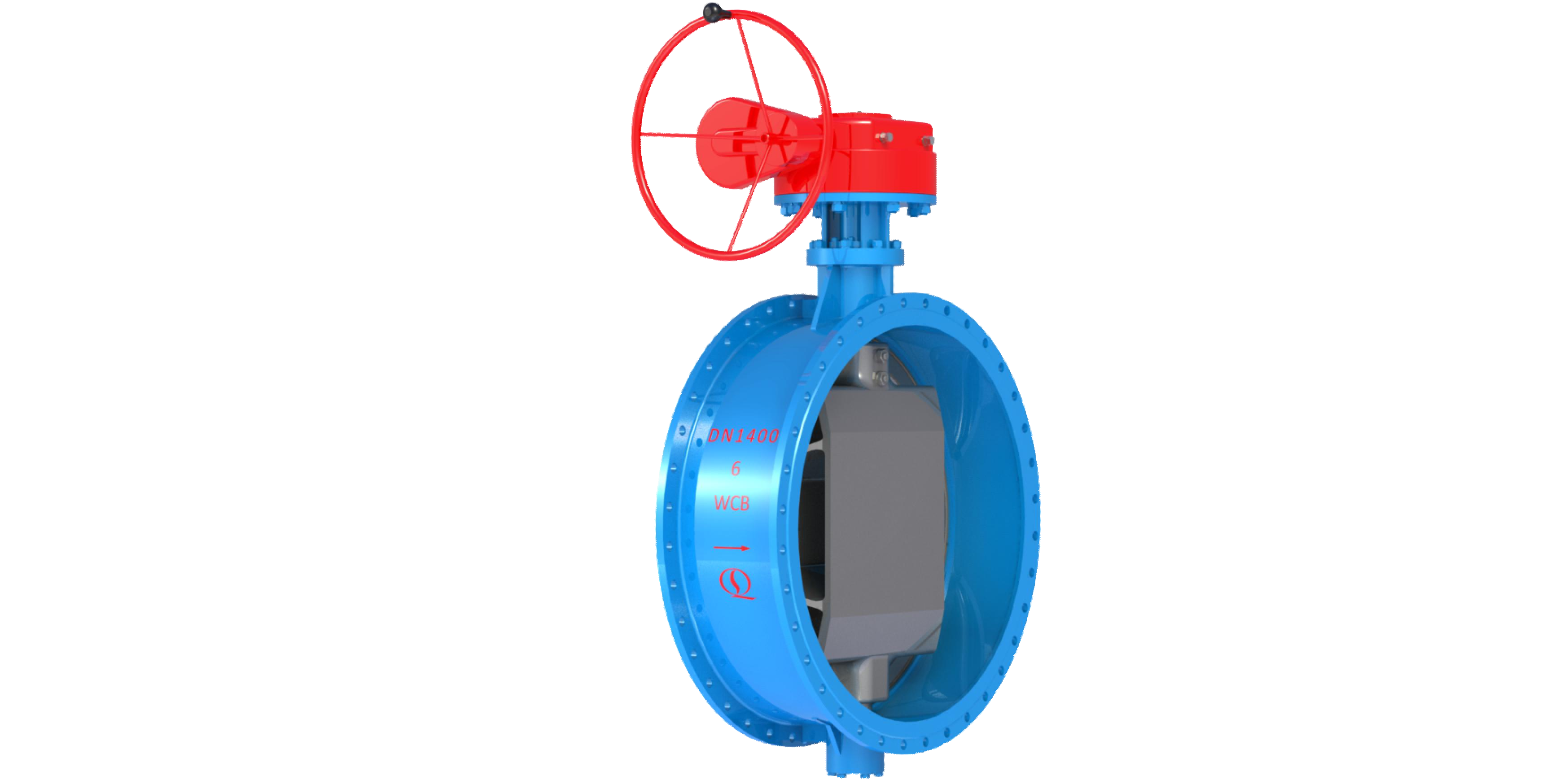
Bidirectional Metal Hard Sealed Seawater Butterfly Valve
Henan Quanshun Flow Control Science & Technology Co., Ltd.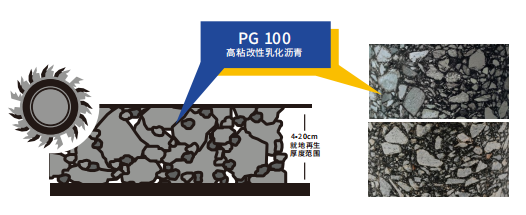
High-toughness in-Situ Cold Recycling Technology for Original Structural Layers
Central Fortune Creation Technology Group Co., Ltd.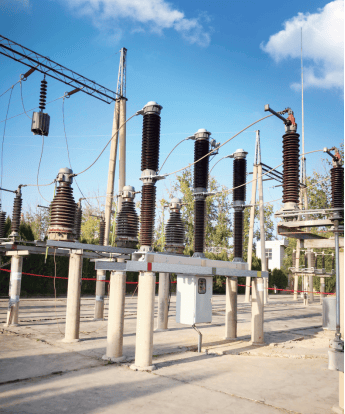
145kV Porcelain Column Type Sulfur Hexafluoride Circuit Breaker
TBEA ZONFA Shanghai High Voltage Switchgear Co., Ltd.