en.Wedoany.com Reported - To address the risk of geochemical reactions that may occur when reclaimed water is injected into aquifers, a proactive, phased geochemical characterization approach can help U.S. utility companies predict and manage such issues in advance.
Managed aquifer recharge (MAR), as a water resource management strategy to combat drought, involves injecting highly treated reclaimed water into aquifers to supplement groundwater supplies. However, this process can trigger unintended geochemical reactions such as mineral dissolution and oxidation, leading to the mobilization of inorganic constituents including arsenic, fluoride, iron, manganese, selenium, and uranium, which may impact water quality or damage infrastructure.
The geochemical characterization method provides site-specific information for MAR projects by phasing data collection, integrating mineralogical analysis, targeted laboratory testing, and geochemical modeling. A multidisciplinary team of geologists, hydrologists, geochemists, and water treatment engineers participates in developing a work plan to ensure data collection covers mineralogical composition and mobilization potential assessment.
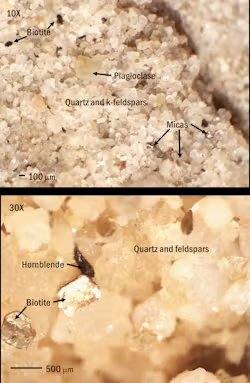
Mineralogical analysis is a critical step in identifying mineral phases within the aquifer and determining potential reactions. Mineral phases such as silicates are less reactive with recharge water, while fine-grained clays, iron-manganese hydroxides, and organic matter may serve as sources of mobilized constituents. Analytical methods include visual observation, X-ray diffraction (XRD), and scanning electron microscopy coupled with energy-dispersive spectroscopy (SEM-EDS). XRD provides bulk semi-quantitative mineral phase data but lacks information on constituent adsorption; SEM-EDS can generate chemical maps of fine-grained minerals but is more costly. Additionally, mineralogical modeling software can estimate theoretical mineral percentages based on whole-rock chemical composition to validate observations.
Laboratory soil leachate analysis evaluates constituent mobilization when recharge water reacts with aquifer materials using a modified synthetic precipitation leaching procedure (SPLP). The standard EPA Method 1312 uses a 20:1 solution-to-mass ratio, which may dilute constituent concentrations; for MAR projects, a modified SPLP using recharge water with a 4:1 solution-to-solid ratio can more effectively identify potential mobilized constituents. Multiple rounds of testing can also assess the impact of different chemical conditions, such as pH and calcium concentration, providing data for water treatment design. This method is rapid and cost-effective, making it suitable for providing early evidence of project feasibility.
In-situ geochemical analysis simulates real operational scenarios by introducing water of different chemical compositions into the ambient aquifer or infiltration basins. Recharge water may be captured stormwater or commercially available drinking water, and geochemical responses are observed by monitoring the movement of a recharge water "bubble." Early samples reflect reactions between the recharge water and aquifer mineralogy, while later samples indicate the combined effects of recharge water with native groundwater and mineralogy. Analyzing conservative ions such as chloride provides hydrogeological information, and monitoring until concentrations recover can indicate reaction rates.
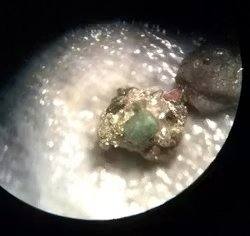
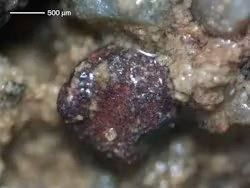
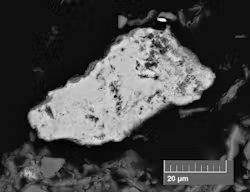
Visual mineralogy can document evidence of the aquifer's redox state, such as the presence of iron oxide mineral phases like hematite. However, visual observation is limited to minerals large enough to be seen under magnification; fine-grained minerals require additional methods such as XRD or SEM-EDS. SEM-EDS can generate backscattered electron images of fine-grained iron oxide coatings on sand-sized mineral grains to identify constituent sources.
Geochemical modeling uses laboratory and mineralogical data to simulate interactions between groundwater, recharge water, and minerals. Comparing simulated water chemistry with actual measurements can validate model accuracy. Modeling results can predict trends in constituent release from minerals or the potential for mineral precipitation, which may cause pore clogging, reducing aquifer permeability and injection rates.
This method has been successfully applied in multiple MAR projects in Arizona, California, Colorado, and Idaho, targeting objectives such as seawater intrusion prevention, groundwater recharge enhancement, and climate resilience improvement. Results indicate that site-specific characterization is key to assessing feasibility, guiding design, and achieving utility goals, providing critical information for water treatment system design and helping communities safely utilize reclaimed water as a sustainable groundwater resource.
This article is compiled by Wedoany. All AI citations must indicate the source as "Wedoany". If there is any infringement or other issues, please notify us promptly, and we will modify or delete it accordingly. Email: news@wedoany.com