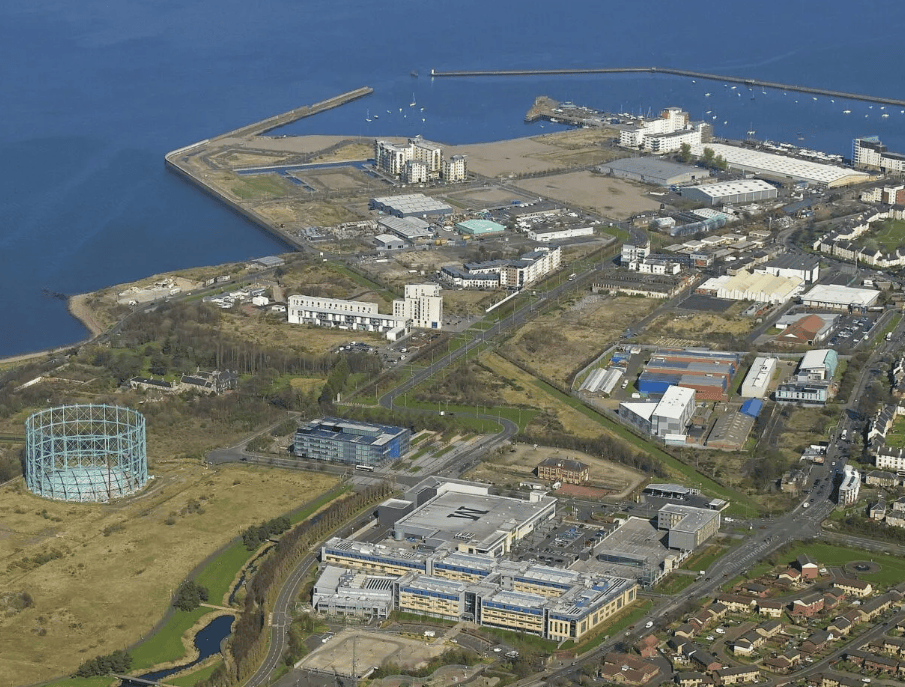
WATR Launches UK River Water Quality Real-Time Monitoring Project in Partnership with University of the West of England
en.Wedoany.com Reported - WATR, in partnership with the University of the West of England (UWE Bristol), has launched the MaD-OPS (Monitoring and Detection of Organic Pollution in Sewage) project, aiming to transform real-time monitoring of river health in the UK by deploying novel fluorescence optical sensors. Funded by UK Research and Innovation (UKRI) and the Natural Environment Research Council (NERC), the project addresses severe ecological challenges caused by environmental pressures, overdevelopment, and urbanization. Recent regulatory changes, including the UK's continuous water quality monitoring program Section 82, have mandated more comprehensive monitoring upstream and downstream of combined sewer overflow (CSO) discharge points.
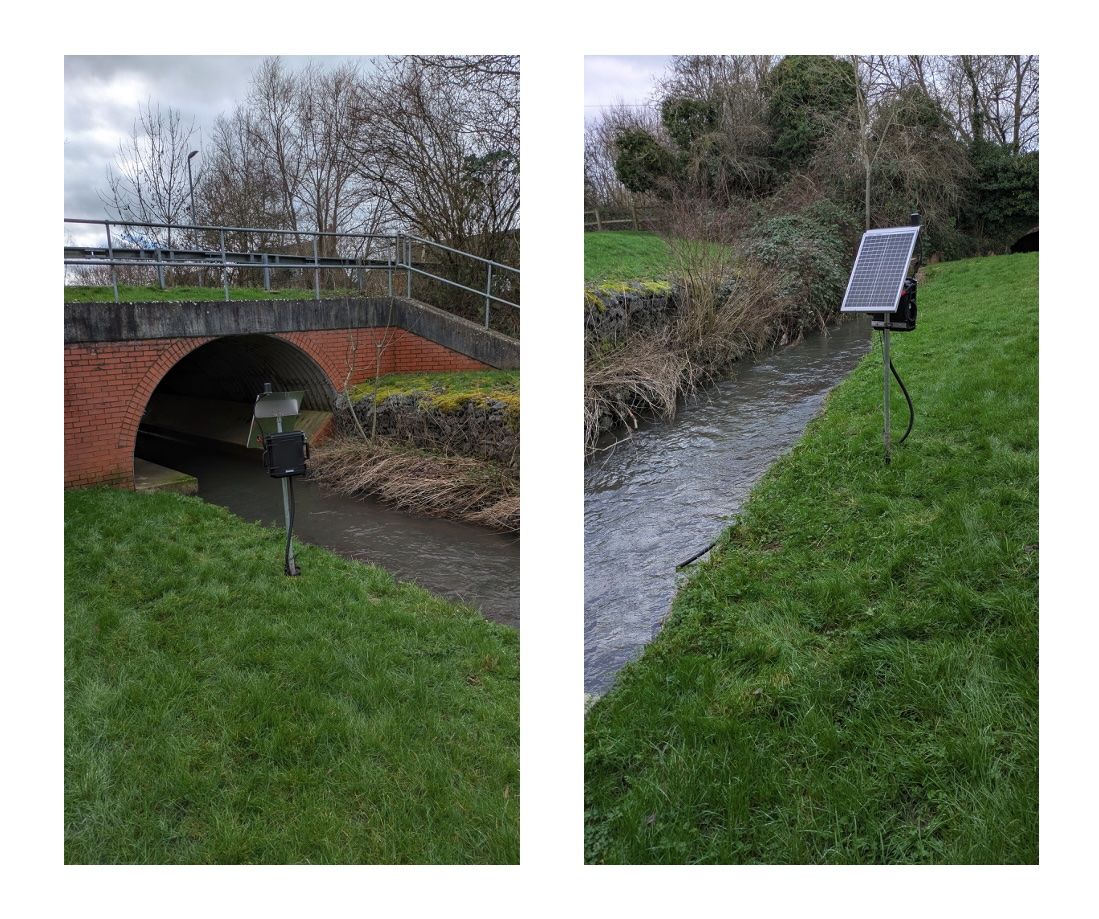
Current monitoring methods focus only on limited parameters such as dissolved oxygen, turbidity, pH, conductivity, and ammonia nitrogen. Traditional biological assessments rely on infrequent spot sampling, which easily misses critical pollution events. The MaD-OPS project employs fluorescence optical sensors developed by Chelsea Technologies to continuously monitor biological indicators including tryptophan-like fluorescence (TLF), fluorescent dissolved organic matter (FDOM), and algal pigments (including phycocyanin and chlorophyll a). High-resolution data, combined with spot sampling and physicochemical measurements, provides real-time information on river ecosystems. The WATR platform enables high-frequency data collection and remote access through a cloud-based dashboard, supporting third-party sensor integration.
The project brings together institutions including the University of the West of England (UWE Bristol), Chelsea Technologies, and The Rivers Trust, with the goal of continuous monitoring at seven deployment sites, validating sensor data accuracy, identifying sewage and agricultural pollution signatures, and developing a dynamic Water Quality Index (WQI) for real-time river health assessment. Professor Darren Reynolds of UWE Bristol stated that the project is developing cutting-edge sensing technologies incorporating artificial intelligence to provide real-time insights into river health. WATR CEO Glyn Cotton noted that the project demonstrates how technology, science, and shared goals can address urgent environmental challenges, and that real-time biological monitoring will help create a proactive, precise future for water resource management. Future expansion potential for the project also includes establishing connections with the EU-funded "Twin Waters" initiative.
This article is compiled by Wedoany. All AI citations must indicate the source as "Wedoany". If there is any infringement or other issues, please notify us promptly, and we will modify or delete it accordingly. Email: news@wedoany.com
Related Products
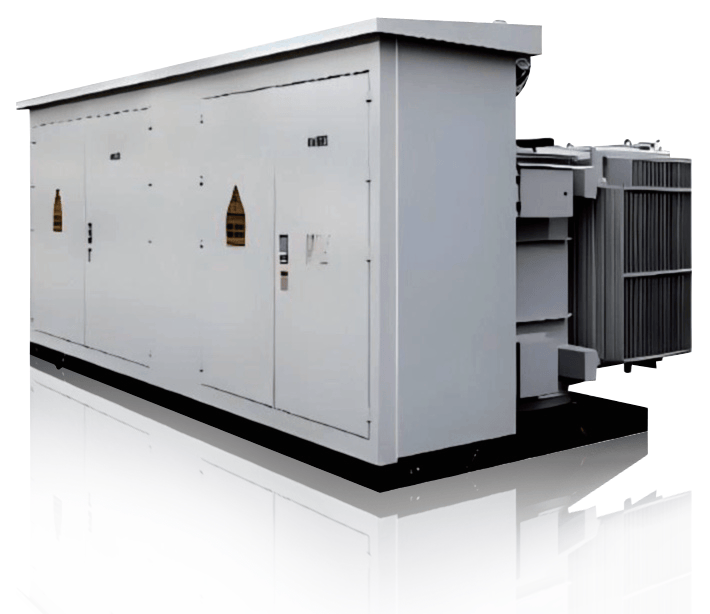

H-40.5/0.4~1.14kV New Energy Power Generation Dedicated High Voltage/Low Voltage Prefabricated Substation
XJ (Xiamen) Intelligent Power Equipment Co., Ltd.
Microcomputer Protection and Substation Automation
Beijing Agent Devote Power Technology Development Co., Ltd.
TAI Slew-drive Single-axis Independent 1P Tracking Bracket System
ANTAI TECHNOLOGY CO., LTD.
High-voltage Direct Current (HVDC) Transmission System Research and Integrated Design
XI'AN XD POWER SYSTEMS CO., LTD.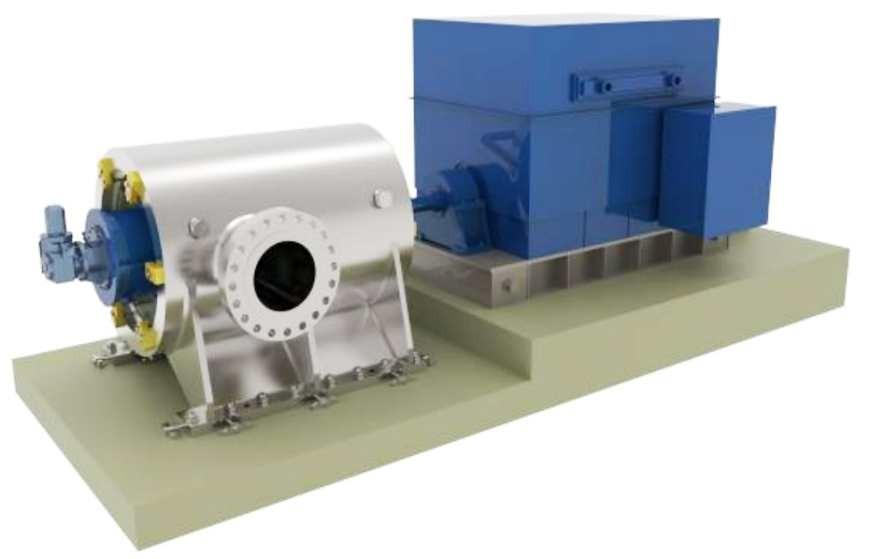
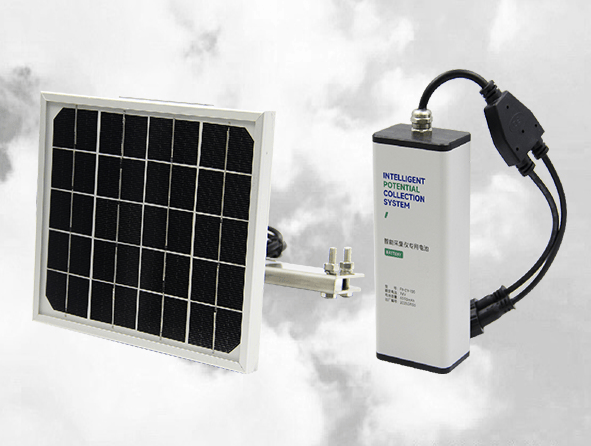
Inductive Power Harvesting Self-Powered Device - Safuneng
SELF ENERGY TECHNOLOGY (SHENZHEN) CO., LTD.