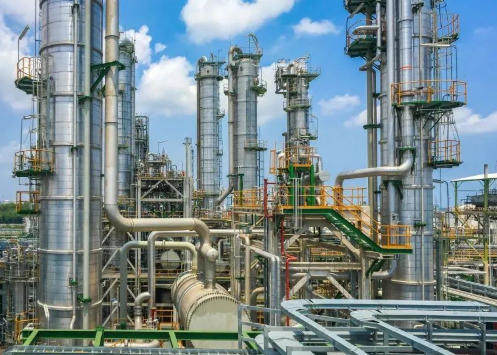
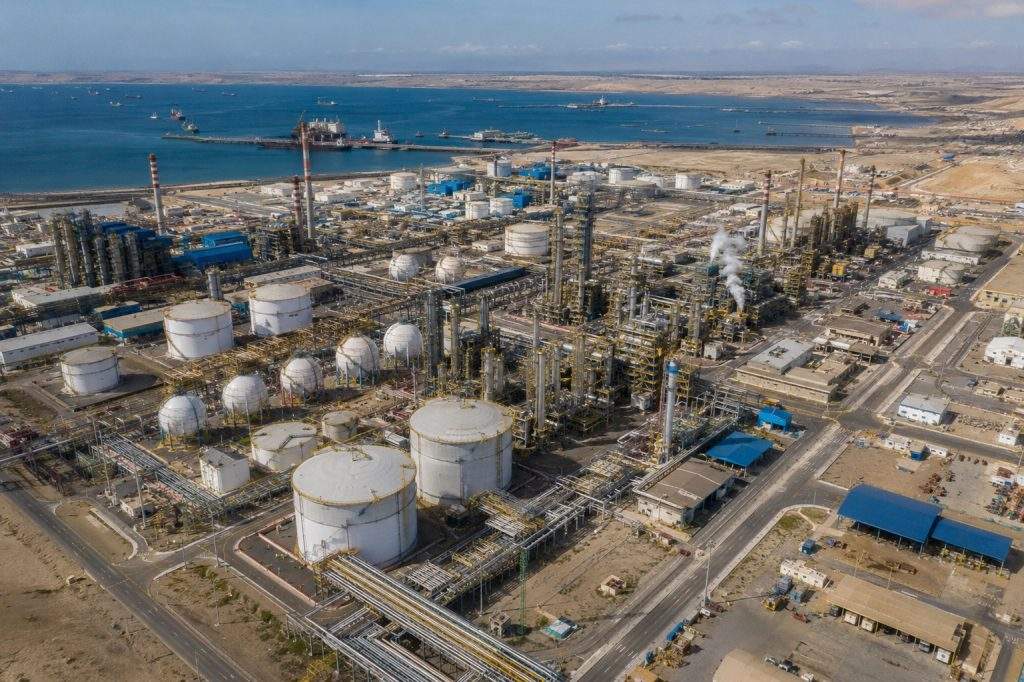
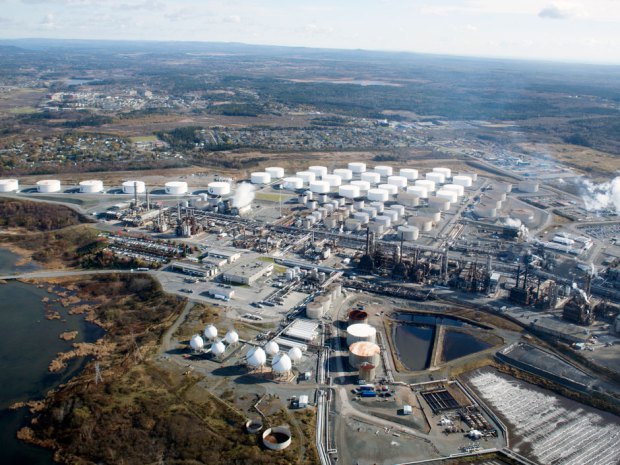
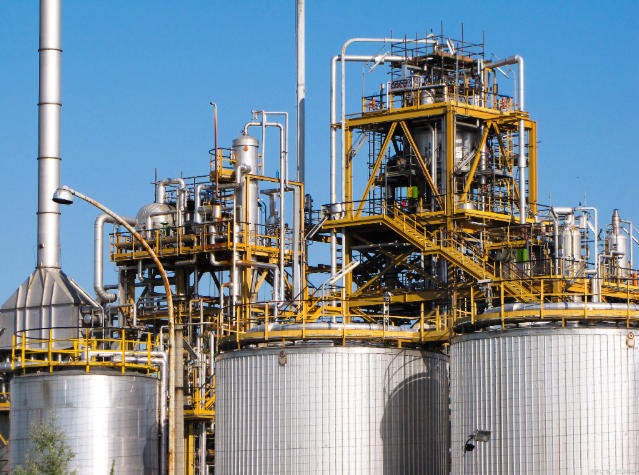
en.Wedoany.com Reported - As the global energy and chemical supply chain continues to adjust, demand for refining bases, oil storage facilities, liquid chemical warehouses and port tank farms remains active in many regions. For suppliers of Petrochemical Storage Tanks, overseas market opportunities are not limited to exporting individual tanks. The stronger opportunity lies in integrated delivery covering design, materials, manufacturing, construction, corrosion protection, inspection, automation and maintenance services.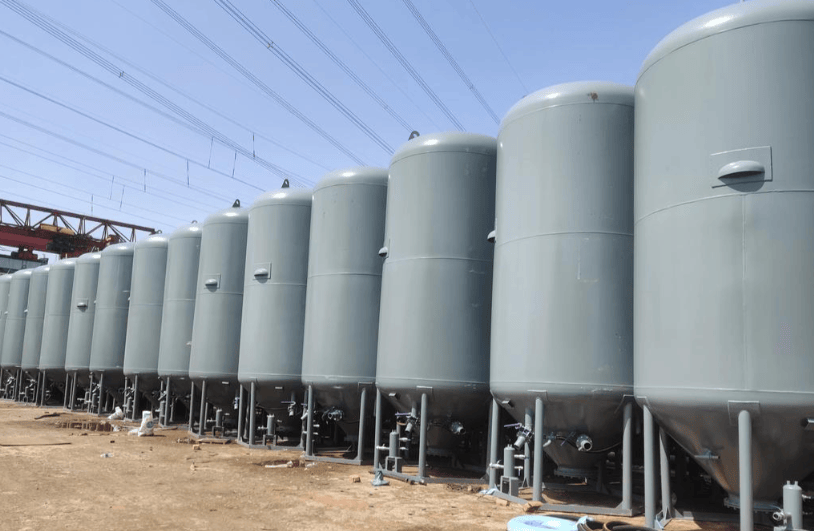
In overseas petrochemical projects, storage tanks are often built together with refineries, chemical plants, oil depots, terminals, pipelines and logistics systems. Project owners and EPC contractors do not evaluate only the tank body. They also consider whether the supplier understands local standards, media properties, climate conditions, construction organization and future maintenance needs. For example, hot and humid regions require stronger external corrosion protection and foundation stability. Coastal areas require attention to salt spray corrosion and wind resistance. Oil storage and transportation projects require efficient loading, accurate level management and reliable safety interlocks.
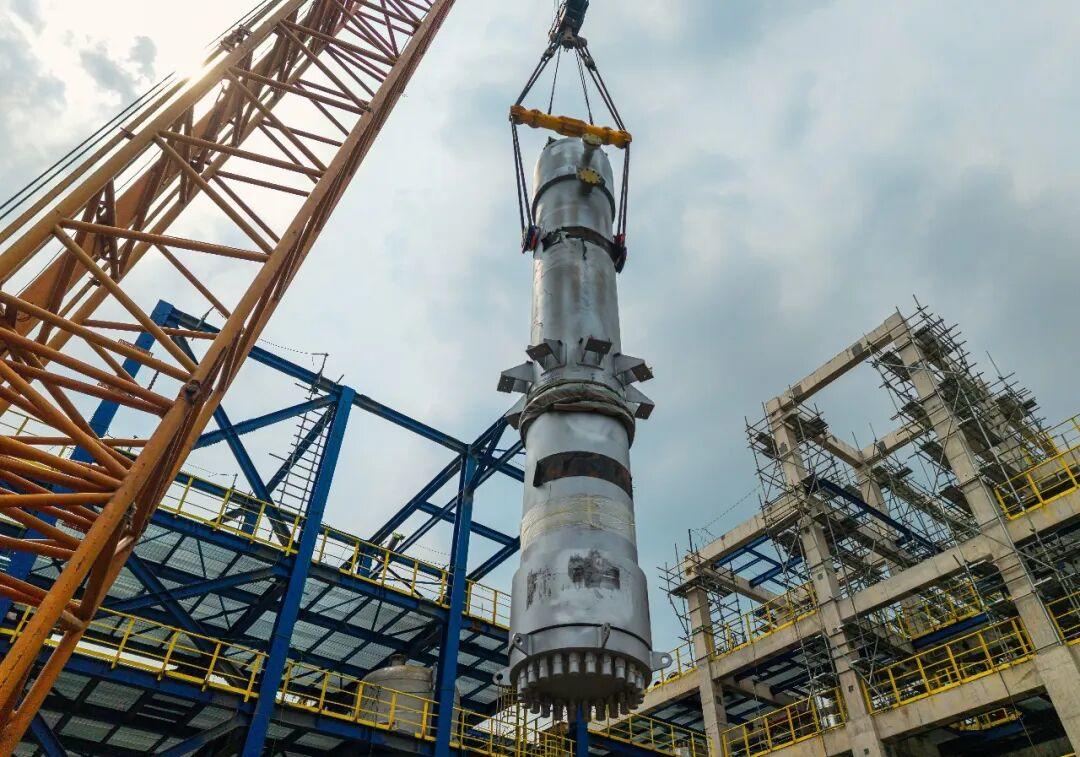
Overseas projects also place higher demands on the storage tank supply chain. Tank construction involves steel plates, welding materials, coatings, seals, valves, instruments, fire protection equipment, automation systems and site construction machinery. Delay in any part of the supply chain can affect the overall project schedule. Therefore, companies with package supply capability, quality control systems, document delivery experience, site installation guidance and cross-border logistics coordination are more likely to enter international engineering supply chains.
For Chinese petrochemical storage tank companies, overseas opportunities are moving from basic manufacturing to engineering services. Competing only on price can be affected by transportation cost, certification requirements and local construction conditions. A more sustainable path is to build differentiated capabilities in tank design optimization, corrosion protection solutions, modular components, tank farm automation, inspection services and technical support. In EPC projects, suppliers that can reduce site coordination difficulty, shorten construction cycles and respond efficiently to technical documentation requirements will be more attractive to contractors.
Compliance and risk management are also important in overseas markets. Different countries and regions have different requirements for environmental protection, process safety, fire protection, material certification, labor management and site construction. Storage tank suppliers need to understand local standards and owner specifications before project execution. Incomplete documentation, non-compliant testing or poor site adaptability may cause delays and increase project risk.
Overall, competition in the overseas petrochemical storage tank market is shifting from product supply to system delivery. Companies capable of providing design support, manufacturing quality, site service and long-term maintenance solutions will be better suited for international petrochemical engineering, port storage and energy infrastructure projects.
This article is compiled by Wedoany. All AI citations must indicate the source as "Wedoany". If there is any infringement or other issues, please notify us promptly, and we will modify or delete it accordingly. Email: news@wedoany.com