Seaspan and Hapag-Lloyd's First Methanol Dual-Fuel Conversion Ship Completed in China in June
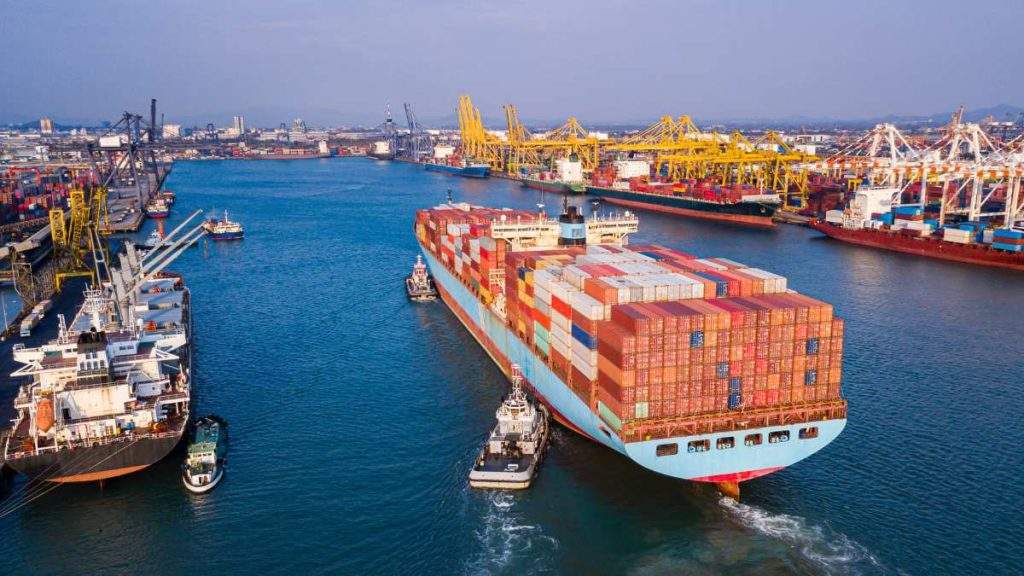
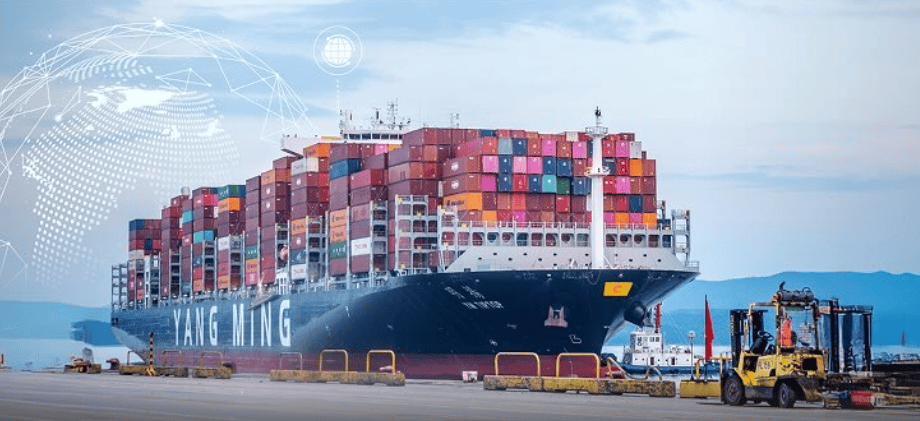
en.Wedoany.com Reported - A container vessel operated by Seaspan for Hapag-Lloyd has completed a methanol dual-fuel conversion (CSI), marking the first ship completed under a five-vessel conversion program.
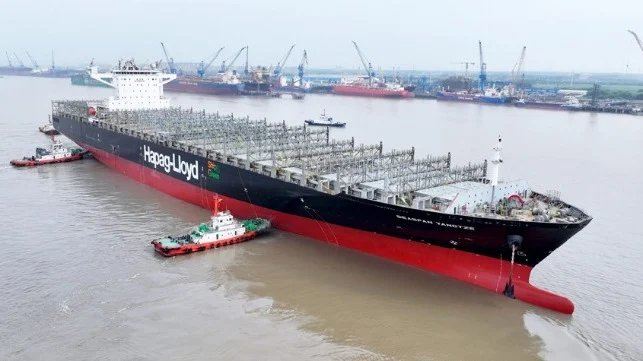
The Seaspan Yangtze, long-term chartered by Hapag-Lloyd, was officially redelivered to the owner on June 1 after nearly three months of conversion work. The modifications were carried out at the Shanghai shipyard of COSCO Shipping Heavy Industry. Built in 2014 in China, the vessel previously operated for Hanjin. It measures 337 meters in length, with a deadweight tonnage of 115,318 tons, and is equipped with a conventional fuel MAN S90 engine.
Seaspan and Hapag-Lloyd announced in 2024 plans to convert five 10,100 TEU container vessels starting from the first quarter of 2026, with a project investment of approximately $120 million, involving the Amazon, Ganges, Thames, Yangtze, and Zamberzi. CSI Shanghai noted that the project involves modifications to the main engine and auxiliary engines, as well as the integration of fuel systems and pipelines. Additionally, methanol fuel tanks need to be installed, and the engine room command and control system will be upgraded to enhance operational efficiency.
The entire process took about 18 months, but the first 15 months were dedicated to equipment development and preparation for dry docking. The Seaspan Yangtze arrived at the shipyard in March, and the conversion and upgrades were completed ahead of schedule, minimizing the vessel's downtime. After conversion, the ship completed sea trials, and the shipyard report indicated a significant improvement in the Energy Efficiency Design Index (EEDI). To accommodate the methanol fuel tanks, the vessel's container capacity was reduced by approximately 1.5% to 2%.
According to Hapag-Lloyd's schedule, the Seaspan Yangtze will resume operations departing from Ningbo on June 10, calling at Chinese ports before heading to New York and Norfolk.
The owner continues to advance the conversion project. Although the industry's push for methanol has slowed, concerns over supply and infrastructure, along with uncertainties in environmental regulations, continue to impact the pace of alternative fuel adoption. COSCO Shipping stated that this is its third conversion project and fifth vessel, expanding its conversion business scope. Its first projects were completed in 2025, including the COSCO Libra (20,000 TEU) and its sister ship COSCO Gemini; the second project involved two 13,300 TEU vessels, COSCO Peony and COSCO Jasmine, completed in 2026.
Maersk pioneered methanol conversions in 2024, completing the Maersk Halifax, and announced plans to convert another 10 vessels of the same class when they reach their special survey age. CMA CGM has also signed its first conversion project, set to begin later this year, involving up to six 9,300 TEU vessels.
According to DNV's Alternative Fuel Insights database, there are currently just over 100 methanol-fueled vessels in operation, with container ships being the most numerous. Although the overall adoption rate of methanol-fueled vessels has slowed, more than 200 methanol-powered ships are on order for delivery by 2030. Recently, several companies, including Maersk and X-Press Feeders, have begun exploring ethanol as an alternative fuel, noting that methanol systems are fully compatible with this alternative.
This article is compiled by Wedoany. All AI citations must indicate the source as "Wedoany". If there is any infringement or other issues, please notify us promptly, and we will modify or delete it accordingly. Email: news@wedoany.com
Related Products
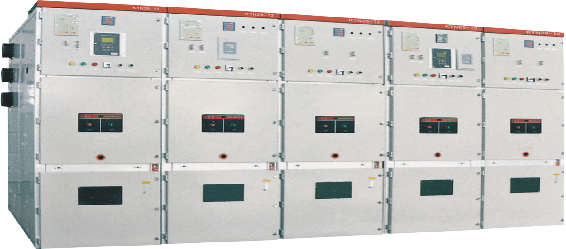

KYN28-12/24 Indoor High-Voltage Metal-Clad Removable Switchgear
Shenzhen Zhaoyang Hui Technology Co., Ltd.
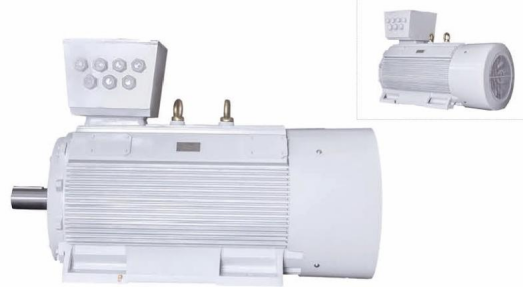
YE3 Series Low Voltage High Power Three-Phase Asynchronous Motor
Shandong Lijiu Electrical Machinery Co., Ltd.
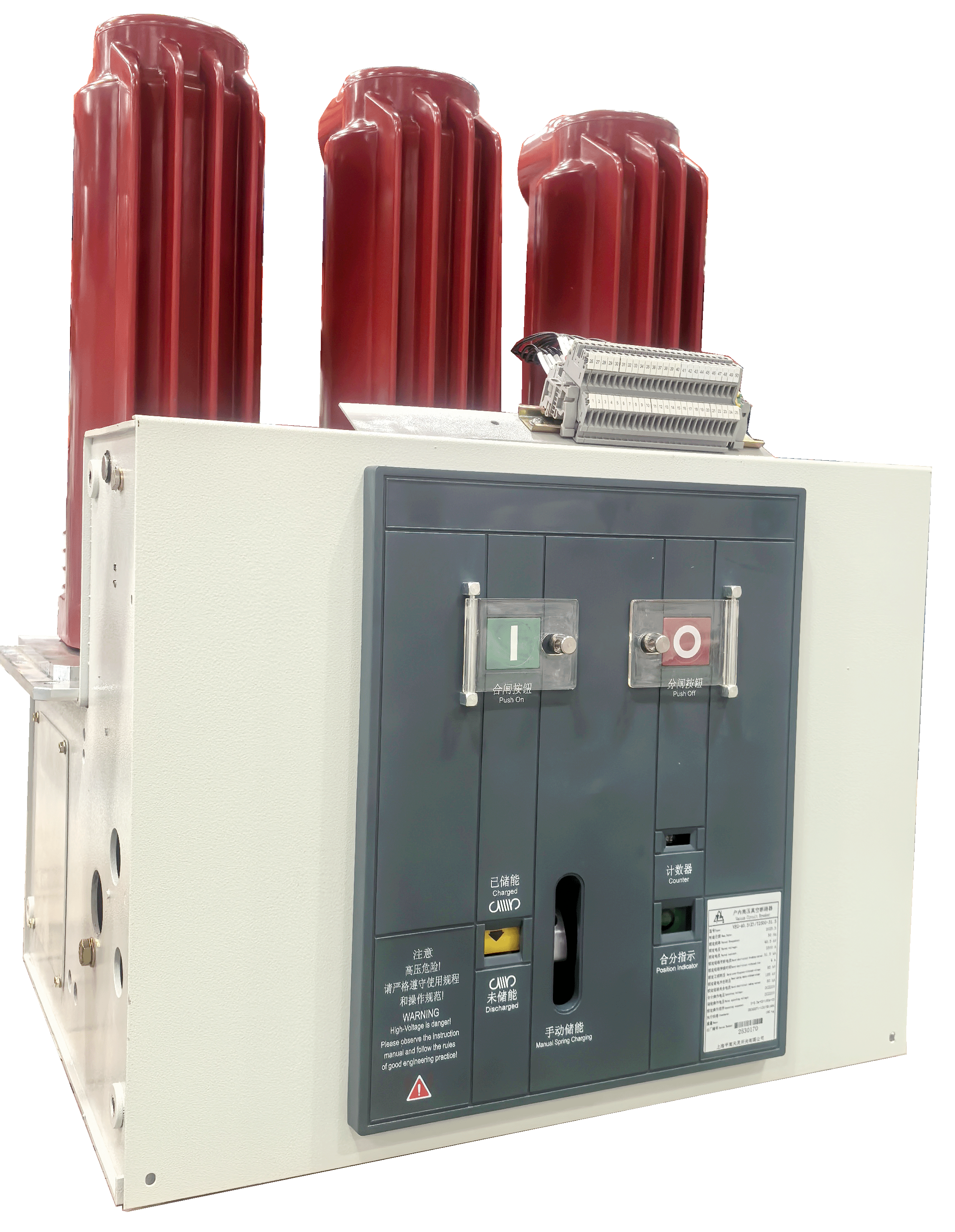
VEG-12/24/40.5 Series Vacuum Circuit Breaker
SHANGHAI PINGGAO TIANLING SWITCHGEAR CO., LTD.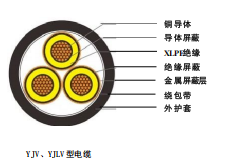
Rated Voltage 6-35kV Cross-linked Polyethylene Insulated Power Cable
TONGDING INTERCONNECTION INFORMATION CO., LTD.
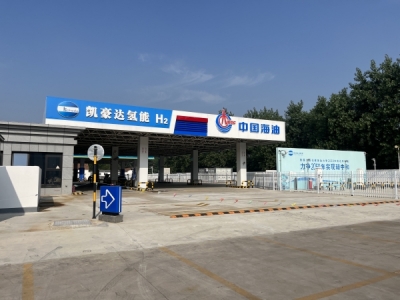
Hydrogen production and hydrogenation charging refueling gas integrated energy station
Shenzhen Kohodo Hydrogen Energy Co., Ltd.