en.Wedoany.com Reported - Bosch Engineering has developed a hydrogen-fueled engine based on Maserati's Nettuno 3.0-liter V6 twin-turbocharged gasoline engine, delivering a maximum power output of approximately 480 kW (about 653 hp) and a peak torque of 880 Nm.
This engine features a twin-turbocharging system and a dry-sump lubrication system. During the conversion to a hydrogen engine, core components such as the cylinder head and turbochargers retained their original designs. Only the pistons underwent key modifications within the base engine, with optimized piston geometry and a reduced compression ratio to enhance power and performance under high-revving conditions.
Modifications also include the injection system, ignition system, and engine control unit (ECU). The original fuel system, which combined direct injection and port injection, has been replaced in the current version with Bosch's modern Hydrogen Direct Injection technology, equipped with HIDI LCV injectors.
Davide Danesin, Head of Engineering at Maserati, stated that the Nettuno is an advanced engine that has consistently demonstrated exceptional reliability, efficiency, and adaptability. Its high structural strength, capable of withstanding very high cylinder pressures, makes it particularly suitable for conversion into a hydrogen engine.
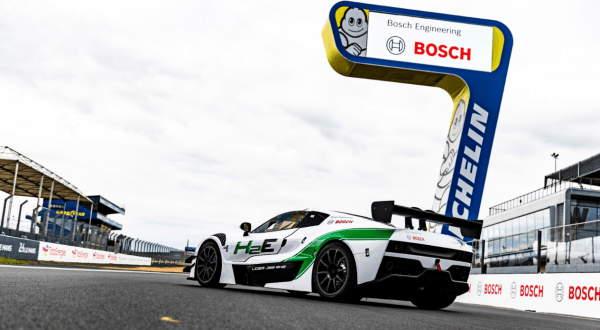
To validate the potential of hydrogen-powered racing cars, Bosch Engineering established a strategic partnership with Ligier Automotive in 2021, jointly developing the hydrogen-powered racing prototype Ligier JS2 RH2. This vehicle made its debut at the 24 Hours of Le Mans in June 2023. Since then, during track tests conducted under various weather conditions, the car and its engine have accumulated nearly 8,000 kilometers of testing without any technical failures, confirming the system's reliability. Continuous optimization has driven further upgrades to the hydrogen powertrain, enhancing power output and torque performance while further reducing emissions.
Jacques Nicolet, President of Ligier Automotive, stated that the Ligier JS2 RH2 project demonstrates the results of combining complementary expertise from three parties. Collaboration with Bosch Engineering and Maserati has allowed all parties to fully explore the potential of hydrogen in motorsport, achieving a blend of performance and sustainability. He also noted that the project echoes an important chapter in Ligier's history—the original Ligier JS2, powered by a 3.0-liter Maserati V6 engine, won the Tour Auto in 1974. He added that the team is not only developing a racing validation vehicle but also paving the way for future applications such as low-carbon track experience cars equipped with Maserati engine technology and Bosch hydrogen systems.
Ingo Mauel, Head of Bosch Motorsport, stated that sustainability remains the core theme for Bosch Motorsport at this year's 24 Hours of Le Mans. The upgraded hydrogen engine based on Maserati's Nettuno gasoline engine marks a new phase in Bosch's alternative powertrain racing technology showcase. He emphasized that the strategic partnership with Ligier Automotive forms the foundation for vehicle development and testing, while collaboration with Maserati provides a first-class platform for the engine. The integration of expertise is key to accelerating the transfer of sustainable high-performance technology to road applications.
The Ligier JS2 RH2, powered by the hydrogen engine, will complete a demo lap at the 24 Hours of Le Mans circuit on June 13, 2026, and will be on display at the H2 Village hydrogen exhibition area throughout the race week.
This article is compiled by Wedoany. All AI citations must indicate the source as "Wedoany". If there is any infringement or other issues, please notify us promptly, and we will modify or delete it accordingly. Email: news@wedoany.com