en.Wedoany.com Reported - Ternary Lithium Battery technology has long been an important route in electric vehicles, electrified engineering equipment, portable power systems and selected high-performance energy storage applications. Compared with some other lithium battery technologies, its core advantage lies in higher energy density and relatively strong low-temperature performance, which makes it valuable in scenarios where driving range, weight, space utilization and power response matter.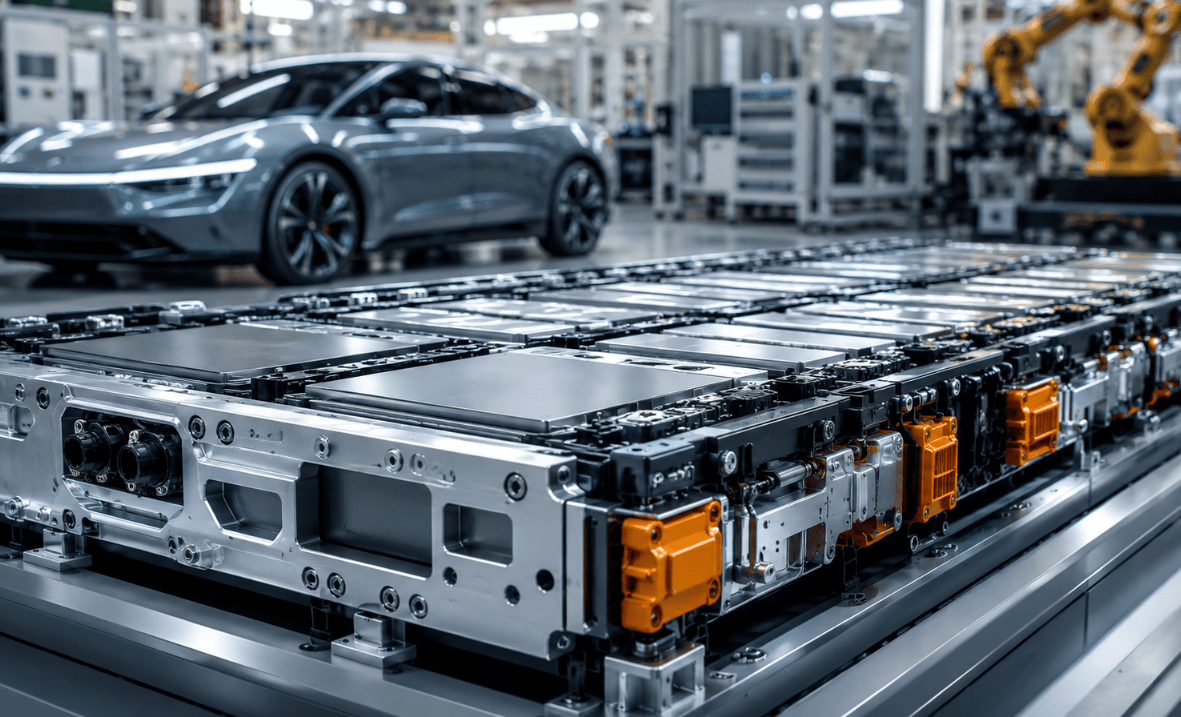
A ternary lithium battery usually uses cathode material systems based on nickel, cobalt and manganese, or nickel, cobalt and aluminum. Different material ratios influence energy density, cycle life, safety performance, cost structure and thermal stability. For battery manufacturers and vehicle companies, the development of ternary batteries is not simply about pursuing higher capacity. It is about finding a balance among energy density, safety margin, service life and manufacturing cost.
In high-end passenger vehicles, long-range models, some commercial vehicles and electrified special equipment, the ability to provide more energy within limited space remains an important factor in product competitiveness. This is one of the reasons ternary lithium battery technology continues to have practical value in applications that are sensitive to weight and volume.
From an engineering perspective, the value of ternary lithium batteries does not depend only on cell performance. Battery pack structure, thermal management, battery management systems and safety protection design are equally important. Because ternary cathode systems require careful temperature control and thermal runaway management, battery systems often need liquid cooling, insulation design, structural protection, sensor monitoring and control strategies to improve overall safety.
For vehicle manufacturers and energy system integrators, cell selection is only the first step. The real reliability of the system depends on the matching capability among cells, modules, battery packs, BMS and the application scenario. A high-performance cell may not deliver stable value if the system design, cooling method or operating strategy is not suitable.
In stationary energy storage, ternary lithium batteries are not always the first choice. For projects that prioritize large scale, long cycle life and high safety redundancy, other battery routes may be more common. However, ternary lithium batteries still have application space in scenarios that require weight reduction, compact design, mobility and fast power response. Examples may include mobile energy storage vehicles, portable power systems, high-power backup systems, engineering vehicle battery packs and selected high-performance energy equipment.
As the battery industrial chain matures, the development focus of ternary lithium batteries is shifting from energy density alone toward integrated performance in safety, lifecycle, cost and recycling. The material side needs stronger cathode stability and better resource efficiency. The manufacturing side needs higher consistency and quality control. The system side needs improved thermal management, condition monitoring and lifecycle data management.
Overall, ternary lithium battery technology will continue to play an important role in fields with strong demand for high energy density. For battery companies, vehicle manufacturers and energy equipment suppliers, the key is not to judge one battery route as universally better, but to select the right technology according to application scenarios and improve safety, economy and long-term reliability through system design.
This article is compiled by Wedoany. All AI citations must indicate the source as "Wedoany". If there is any infringement or other issues, please notify us promptly, and we will modify or delete it accordingly. Email: news@wedoany.com