en.Wedoany.com Reported - As the electric vehicle and energy equipment industries continue to develop, the Ternary Lithium Battery supply chain is moving from scale expansion toward quality improvement. In the past, the industry often focused on battery capacity, driving range and installation growth. Today, companies are paying more attention to material stability, manufacturing consistency, battery safety, recycling systems and supply chain resilience.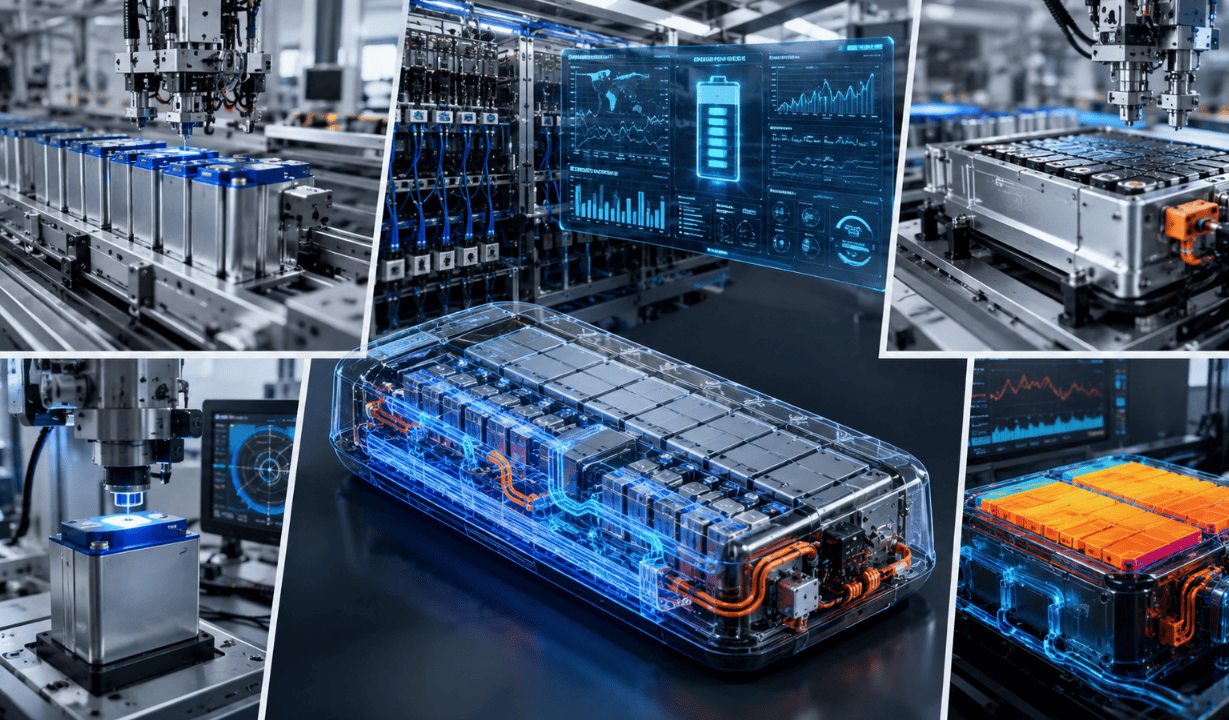
The ternary lithium battery value chain includes upstream resources, cathode materials, anode materials, electrolytes, separators, cell manufacturing, battery pack integration and recycling. Among these links, the cathode material system has a particularly strong impact on battery performance. Higher nickel content can help improve energy density, but it also places greater requirements on thermal stability, manufacturing control and safety management. Cobalt is related to material structure stability and cost control, while manganese or aluminum plays different roles in structural regulation and material stability.
This means the technology upgrade of ternary lithium batteries is not a single-direction pursuit of higher performance. It is a comprehensive optimization among material performance, resource constraints and system safety. Battery companies must consider not only laboratory performance, but also whether the material system can remain stable in large-scale manufacturing and long-term application.
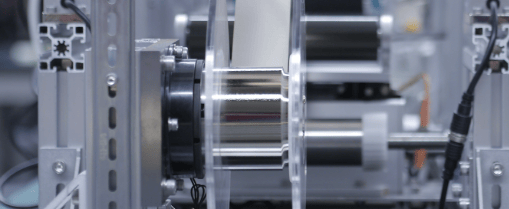
From the manufacturing side, ternary lithium batteries require strong production consistency. Differences among cells, impurity control, electrode coating, compaction density, formation, grading and quality inspection can all affect final product reliability. For power batteries and high-performance energy storage applications, a problem in a single cell may become a risk at the module or pack level. Therefore, battery manufacturers need not only automated production lines, but also process control, data traceability and quality management across batches.
System safety remains a long-term focus for ternary lithium battery applications. As operating scenarios become more complex, battery systems must adapt to high and low temperatures, vibration, fast charging, high-power output and demanding working conditions. A battery management system needs to monitor key parameters such as voltage, temperature, current, state of charge and state of health. It also needs to coordinate with thermal management, fire protection and vehicle or energy system control platforms.
In engineering applications, safety is not achieved by one component alone. It is the result of full-chain design from materials, cells and modules to battery packs and system control. This is especially important for high-energy-density battery systems, where stronger performance also requires more precise safety management.
In market applications, ternary lithium batteries remain more suitable for scenarios that require high energy density and efficient space utilization. Long-range vehicles, selected high-end equipment, electric construction machinery and mobile energy storage devices may benefit from their ability to provide higher energy within limited volume. However, in stationary storage, low-speed vehicles or applications that are more sensitive to cost and safety redundancy, project developers need to choose battery routes according to actual operating requirements.
The future upgrading direction of the ternary lithium battery industry chain is becoming clearer. Upstream companies need to focus on resource security and recycling. Material producers need to improve cathode stability and consistency. Cell manufacturers need stronger quality control. Downstream system integrators need to strengthen pack design, safety management and scenario-based application capability.
Overall, ternary lithium battery technology has not lost its market value. It is entering a more rational stage of development in a mature industrial environment. Companies with stable material systems, reliable manufacturing processes and system-level safety capabilities will be better positioned in high-end power battery and energy equipment markets.
This article is compiled by Wedoany. All AI citations must indicate the source as "Wedoany". If there is any infringement or other issues, please notify us promptly, and we will modify or delete it accordingly. Email: news@wedoany.com