Wind Power Grid Connection Is Shifting from Access Design to Dispatch Coordination
en.Wedoany.com Reported - The development logic of wind power projects is changing. In the past, Wind Power Grid Connection was often treated as an electrical access task near the later stage of project construction. The focus was mainly on transmission lines, step-up stations and grid approval procedures. Today, with larger renewable capacity and more complex grid operation, grid connection must be considered from the early planning and system design stages.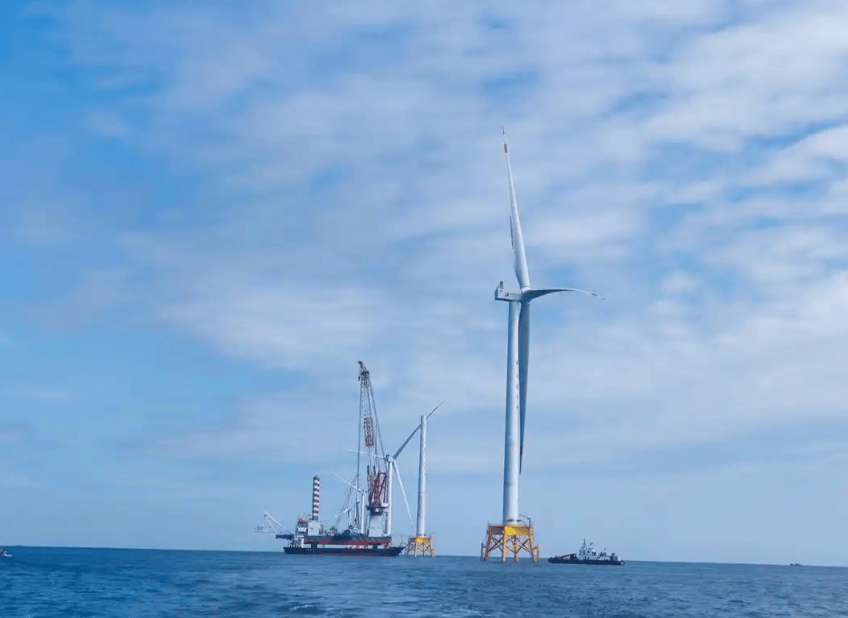
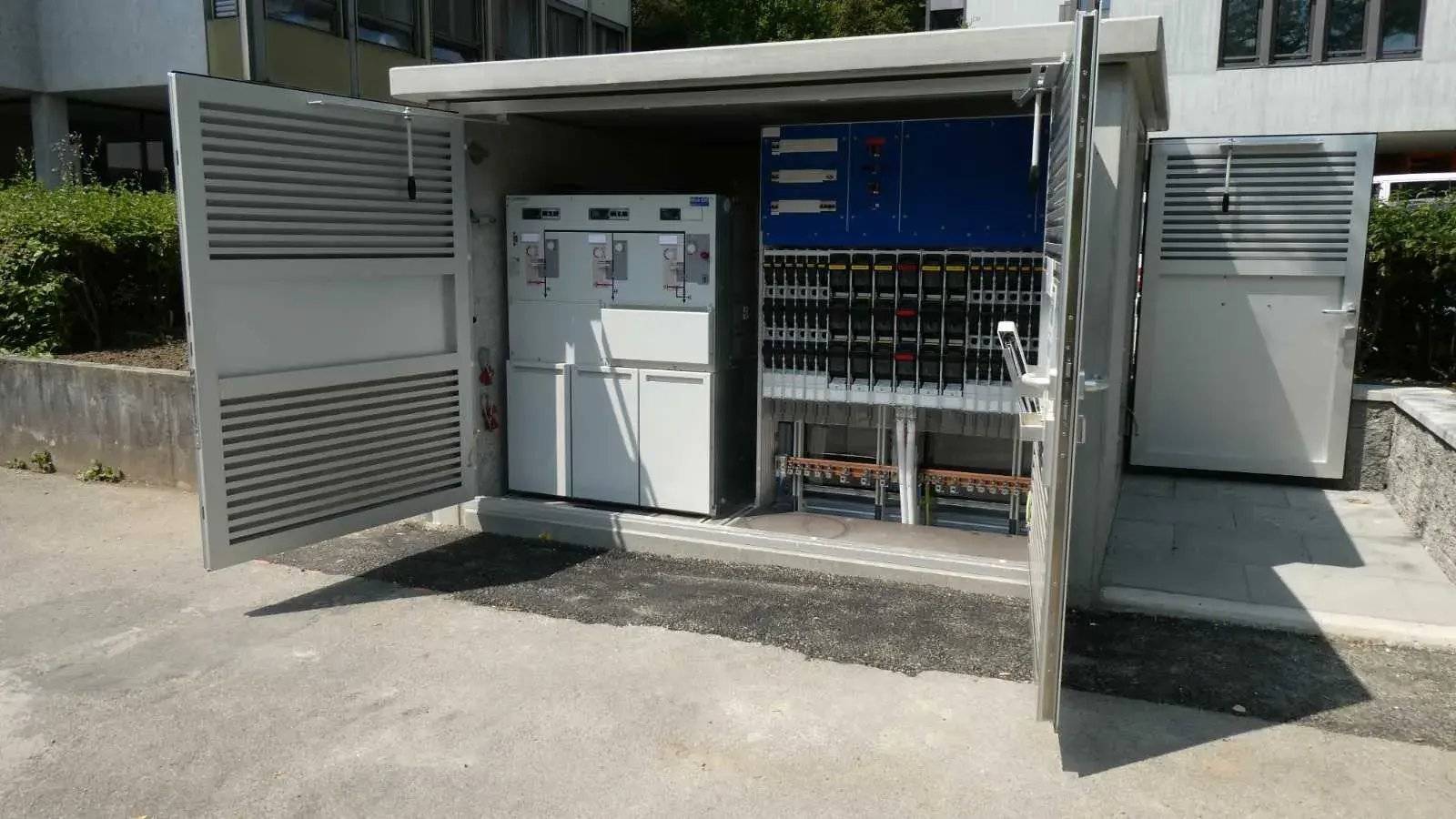
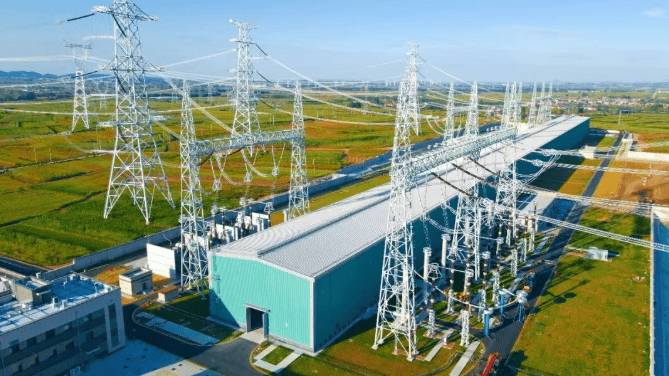
Whether a wind power project can connect to the grid smoothly depends first on power delivery conditions and grid hosting capacity. A region with strong wind resources does not necessarily have ideal grid connection conditions. If the local grid structure is weak, load consumption capacity is limited or transmission channels are insufficient, a wind farm may face curtailment, output restrictions or connection delays even when construction conditions are favorable. Developers therefore need to evaluate wind resources, grid access points, transmission lines, substation capacity and regional renewable consumption at the same time.
Grid connection design also needs to place greater emphasis on power quality. Wind turbines are connected to the grid through power electronic equipment, and operation may involve harmonics, voltage fluctuation, reactive power changes and frequency response requirements. Projects need to configure suitable reactive power compensation, filtering, protection and monitoring systems according to grid requirements. This helps ensure that the wind farm can meet grid codes under different output conditions.
In renewable energy bases and large wind farms, plant-level control capability is becoming increasingly important. Good performance of individual turbines does not automatically mean good grid connection performance of the whole wind farm. A wind farm needs a centralized control system to coordinate turbines, reactive compensation equipment, storage systems and step-up station equipment. This makes active power, reactive power, voltage and frequency response more controllable.
Power forecasting is another important part of wind power grid connection management. Wind output is uncertain. If forecasting error is large, grid dispatching becomes more difficult, and the wind farm may face challenges in power market trading and ancillary services. By improving wind speed forecasting, power forecasting and plant operation data analysis, wind companies can better arrange generation plans, reduce deviation risks and improve refined operation.
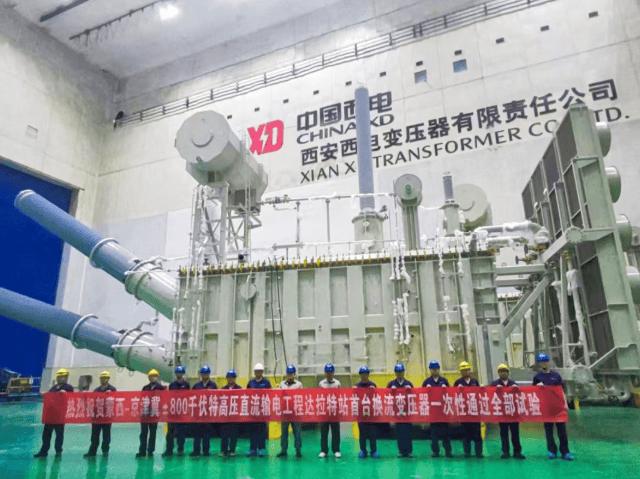
For equipment suppliers and engineering service companies, wind power grid connection creates opportunities beyond single equipment sales. Demand is increasing in grid connection simulation, reactive power compensation, energy storage systems, step-up station integration, power monitoring, intelligent dispatching and operation diagnostics. In offshore wind, large desert renewable bases and complex grid regions, project owners need suppliers that can provide system-level solutions rather than isolated products.
Overall, wind power grid connection has moved beyond the question of whether a project can be connected to the grid. It has become a question of whether the project can participate in power system operation with high quality. The value of future wind power projects will depend not only on wind resources and installed capacity, but also on grid connection design, dispatch coordination, power quality and system support capability.
This article is compiled by Wedoany. All AI citations must indicate the source as "Wedoany". If there is any infringement or other issues, please notify us promptly, and we will modify or delete it accordingly. Email: news@wedoany.com
Related Products
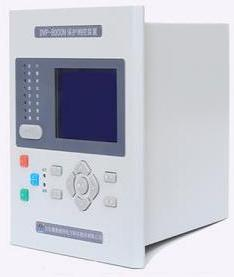

Microcomputer Protection and Substation Automation
Beijing Agent Devote Power Technology Development Co., Ltd.
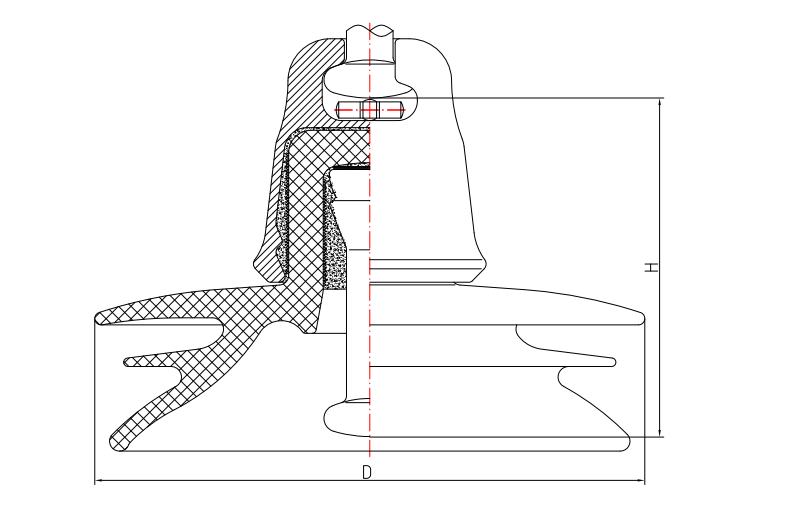
Post-type AC Pollution-resistant Disc Suspension Porcelain Insulator (Triple Umbrella Type)
Shandong High Voltage Insulator Co., Ltd.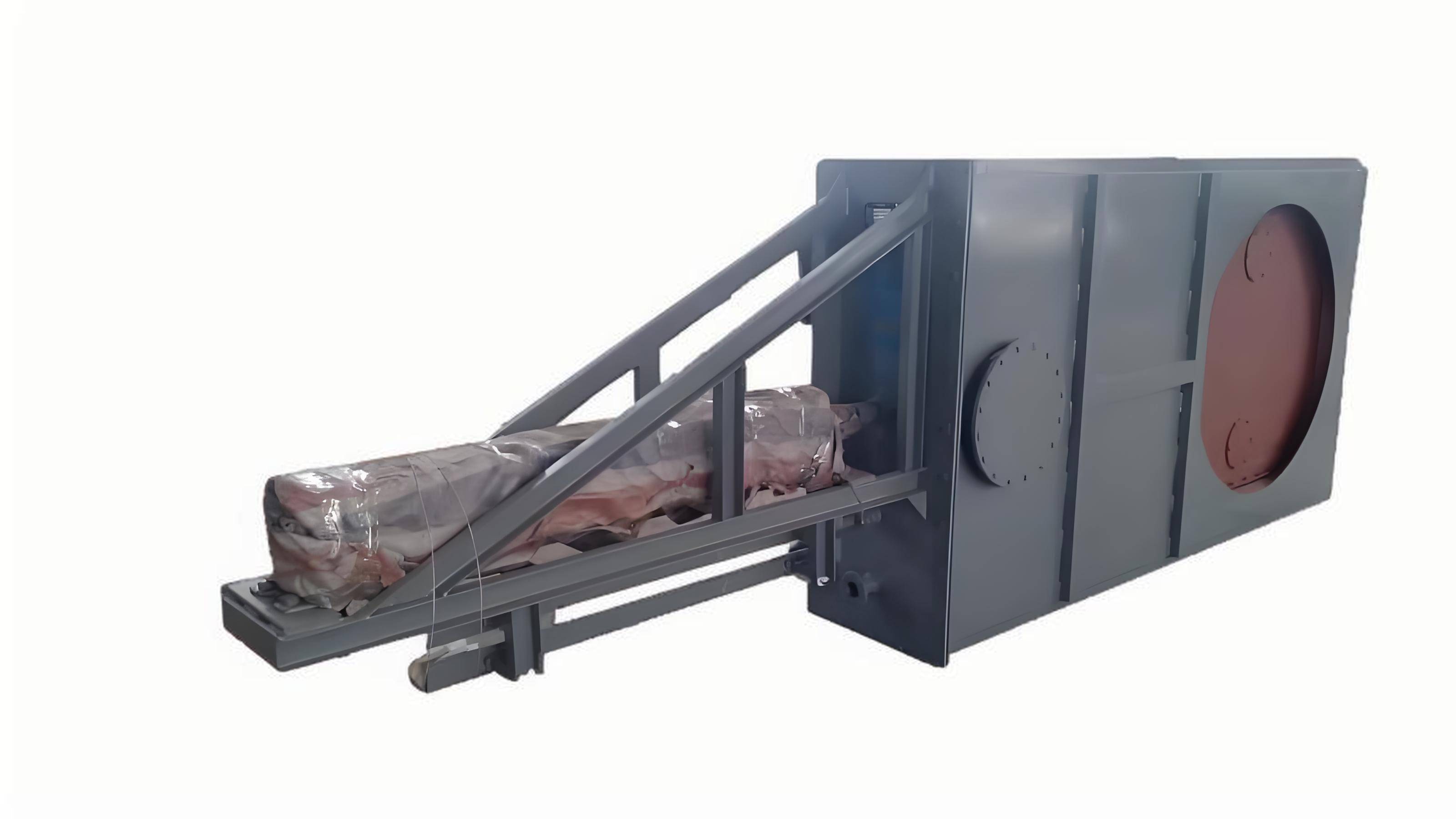
Double-slide Triple-sealed Hot Air Isolation Door
Xi'an Yingchuan Electric Power Equipment Co., Ltd.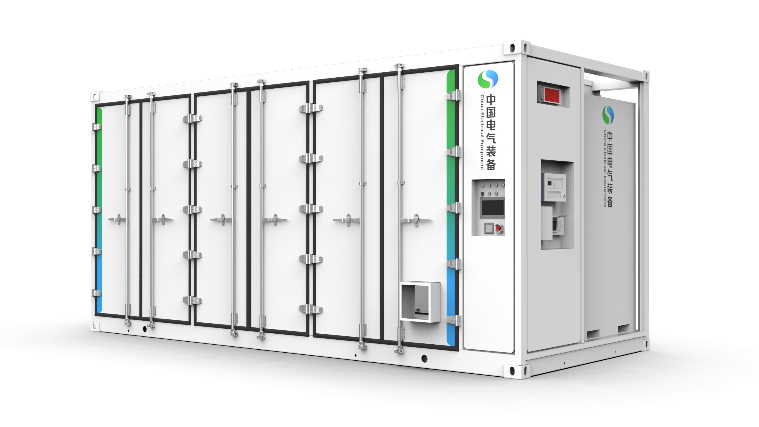
MESS8201-2507/5015-BN Prefabricated Liquid-cooled Energy Storage Battery Container
Xuchang Xuji Electric Science Energy Storage Technology Co., Ltd.
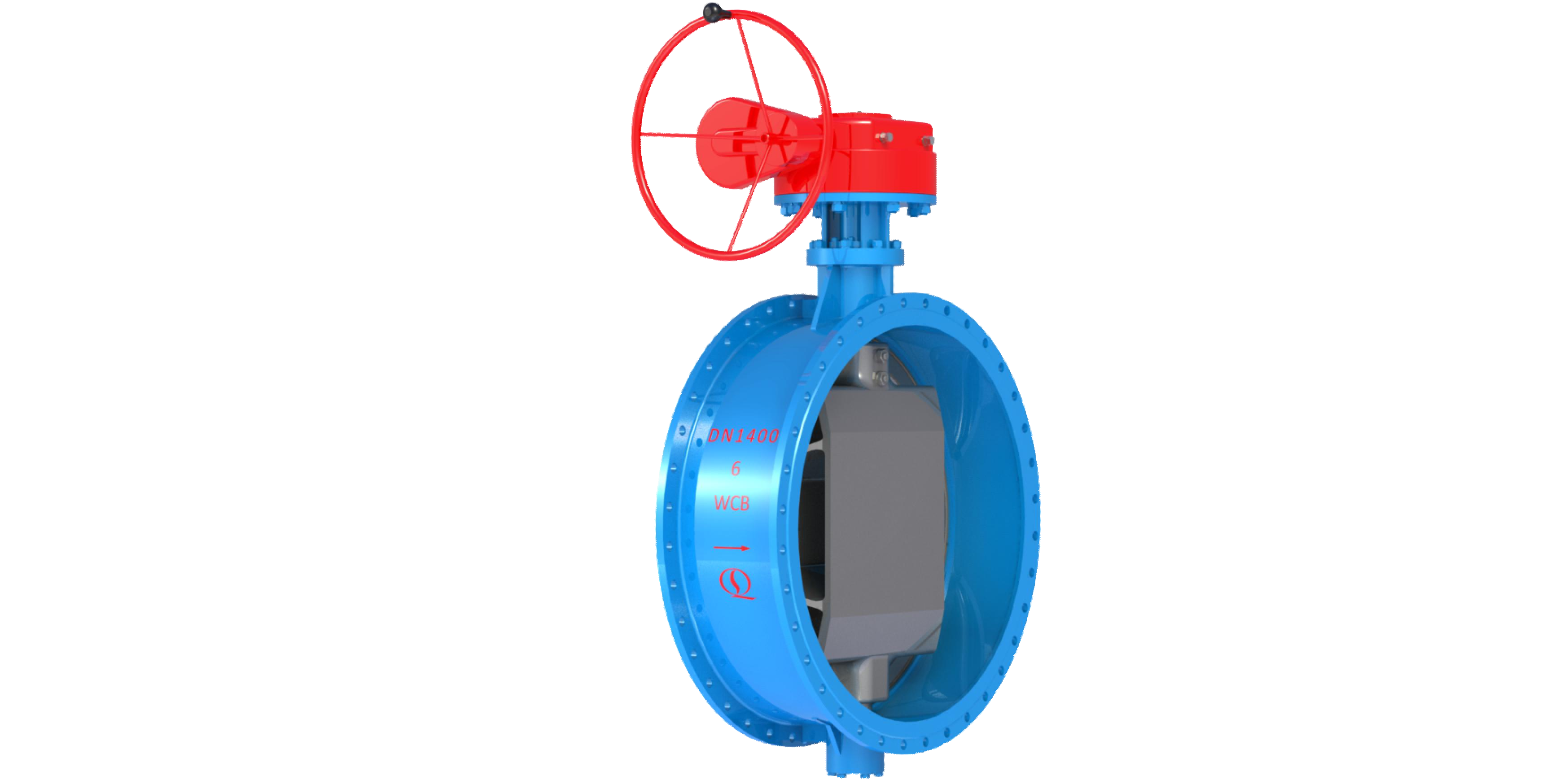
Bidirectional Metal Hard Sealed Seawater Butterfly Valve
Henan Quanshun Flow Control Science & Technology Co., Ltd.