Brazil Launches Two Green Hydrogen Steelmaking Pilot Projects
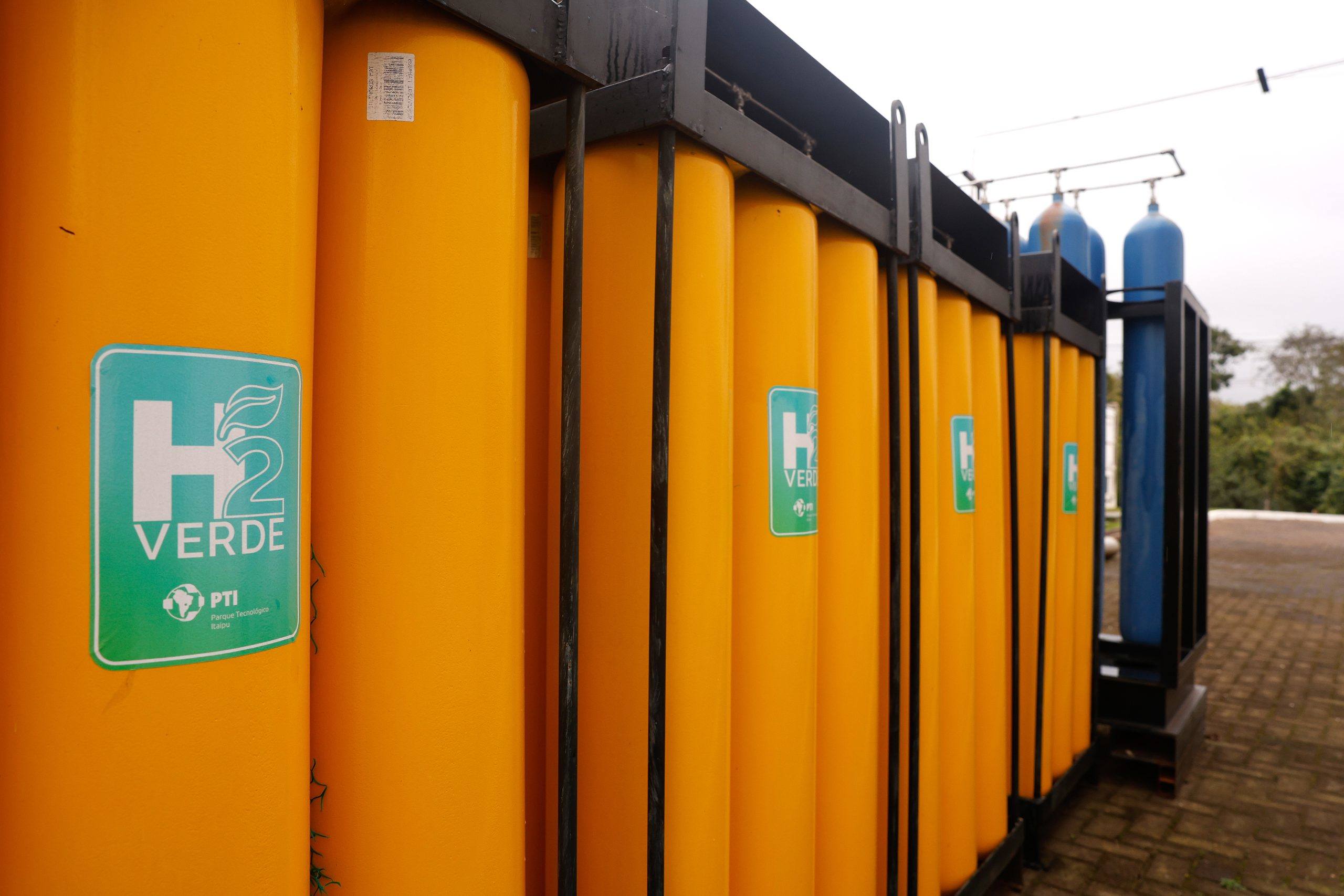
en.Wedoany.com Reported - In February this year, Brazil's largest power company, Axia Energia, announced an agreement with German partners to develop the country's first green hydrogen plant dedicated to low-carbon steelmaking. A month later, CSN, one of Brazil's largest steel producers, launched a green hydrogen project at a plant in Paraná state.
Though only two small-scale pilots, these projects mark a new ambition for Brazilian industry: to demonstrate the commercial viability of green hydrogen steelmaking and Brazil's potential advantages as a sustainable steel producer. Currently, coal-based blast furnaces still account for nearly 75% of Brazil's steel output. Green hydrogen, produced using renewable energy, is widely seen as a promising pathway to reduce carbon emissions in steelmaking, but globally, few hydrogen-based steel facilities have reached commercial-scale operation due to high costs, significant investment needs, and slow demand signals.
The Brazilian projects launch as the largest steel producers in Latin America face challenges, with industry attention in recent years largely dominated by external pressures in the global steel market. Data from the Brazilian Steel Institute (Instituto Aço Brasil) shows that from January to September 2025, Chinese steel imports increased by 25.9% year-on-year. Struggling in price competition, the Brazilian industry eventually imposed anti-dumping measures on some Chinese steel products in early 2026. Germano Mendes de Paula, an economics professor at the Federal University of Uberlândia, stated that the influx of Chinese steel has led to a sharp decline in profitability, forcing some companies to limit investments, potentially constraining their clean production capacity.
Brazil continues to attract attention from analysts and investors due to its inherent advantages. The country is one of the world's leading producers and exporters of high-grade iron ore, possesses one of the cleanest electricity grids globally, and has rapidly growing and vast potential in renewable energy sources like solar and wind power. This has attracted a green hydrogen project investment pipeline exceeding $18 billion. Julia Cruz, Secretary of Green Economy, Decarbonization, and Bioindustry at Brazil's Ministry of Industry, stated that beyond environmental and climate urgency, the green steel agenda is seen as a strategic initiative to strengthen Brazilian industry.
Regarding green gains and limitations, Brazilian steel production still primarily relies on blast furnaces, contributing about 4% of the country's greenhouse gas emissions. Some estimates place Brazil's steel carbon intensity at 1.3 to 1.7 tonnes of CO2 equivalent per tonne of crude steel, lower than the average of 2.0 tonnes for other major steel-producing countries, including China and India. However, other assessments dispute this, suggesting it is closer to the 2.0-tonne mark. Marc Farre Moutinho, Brazil Head of the Industrial Transition Accelerator, stated that emission reduction achievements rely on incremental measures, including modernization and efficiency upgrades. The lower carbon intensity of some Brazilian steel also depends on plant-based charcoal, which accounts for about 10% of national steel output. Brazil's largest steel producer, Gerdau, achieves emission reductions by increasing the proportion of recycled scrap steel, which can be fed into electric arc furnaces. Since 89% of Brazil's grid electricity comes from renewable sources, this process is cleaner. However, scrap steel supply faces global limitations, with nearly 50 countries restricting scrap exports. Stefania Relva, Director of E+ Industrial Transition, noted that these dynamics exacerbate injustices, as companies in the Global North import scrap from the Global South and benefit from decarbonization. It is against this backdrop that project developers are exploring hydrogen-based steelmaking in Brazil, particularly the direct reduced iron (DRI) process. Brazil currently has no DRI facilities. Relva described this shift as a radical transformation, requiring the industry to take risks with new technologies, facing two major risks: supply chain and new energy sources.
On the policy front, the Lula da Silva government has pursued proactive industrial and climate policies since 2023, including an overall climate plan for emission reductions by 2035, the "New Industry Brazil" policy for green industrialization, and the forthcoming National Industrial Decarbonization Strategy (ENDI). The New Industry Brazil plan aims to invest 300 billion reais ($60 billion) in a range of sectors by the end of 2026. Both Julia Cruz and Marc Farre Moutinho pointed to the need for low-cost financing to incentivize decarbonization projects. Global demand for low-carbon steel is insufficient, and public procurement could provide demand security. Cruz stated that her department is collaborating with other ministries to implement a new sustainable public procurement strategy launched at the end of 2025. Farre Moutinho indicated that demand-side measures are the most critical part to unlock, as technology, research, and funding often follow.
A key obstacle to finding markets for cleaner steel and green products is the lack of agreed-upon standards between nations. Stefania Relva noted that there is no consensus on what constitutes "green steel." This urgency has increased since the EU's CBAM took effect in January. Of Brazil's 33 million tonnes of steel production in 2025, one-third was exported, with shipments to Europe doubling compared to 2024. The Brazilian government opposes the CBAM and is studying response mechanisms, including the upcoming Brazilian carbon market. Relva called for dialogue around emerging commodities like green iron, noting that Brazil, Australia, and South Africa are the largest potential suppliers, while China, India, and Europe are potential buyers, but currently, there is no forum for these countries to discuss. The "Climate Change and Trade Integration Forum," launched at COP30 in Brazil, could serve as a potential venue. Mendes de Paula is cautious about Brazil's green steel prospects, arguing that decarbonization discussions should not be separated from international trade issues: when a heavily subsidized Chinese steel industry exports large volumes of high-emission steel, projects with higher operating costs become economically difficult to justify.
This article is compiled by Wedoany. All AI citations must indicate the source as "Wedoany". If there is any infringement or other issues, please notify us promptly, and we will modify or delete it accordingly. Email: news@wedoany.com
Related Products

Mars (Liquid Cooling) Series Industrial and Commercial Energy Storage Converter High Protection Module
Shenzhen Winline Technology Co., Ltd.
Smart Photovoltaic Prefabricated Substation
Shanghai Jinyou Jinhong Intelligent Electric Co., Ltd.
G.652.D Wavelength-extended Non-dispersion Shifted Single-mode Optical Fiber
HONGAN GROUP CO., LTD.
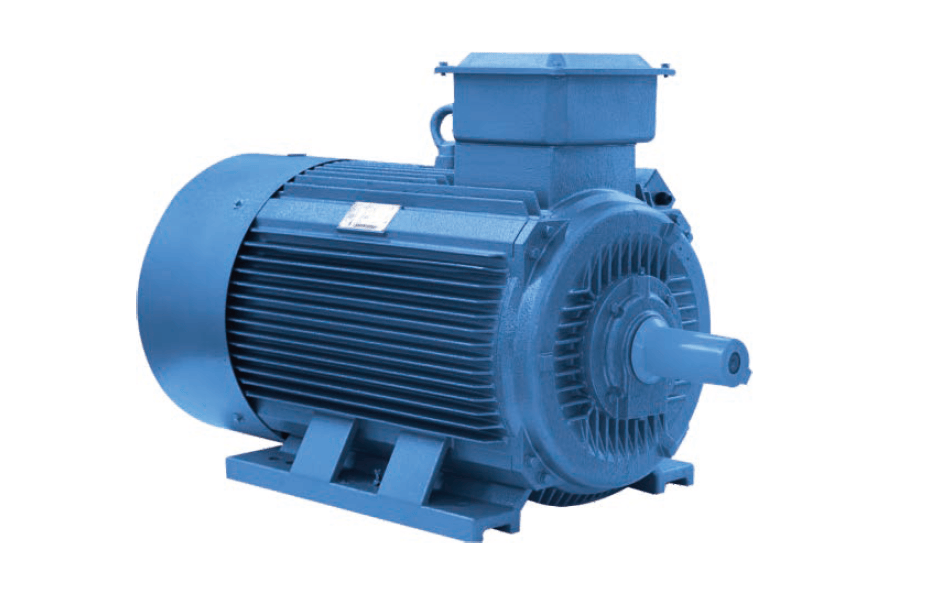
TYC Series High-Efficiency Permanent Magnet Synchronous Motor
Xiangdian Smart Energy Technology Co., Ltd.
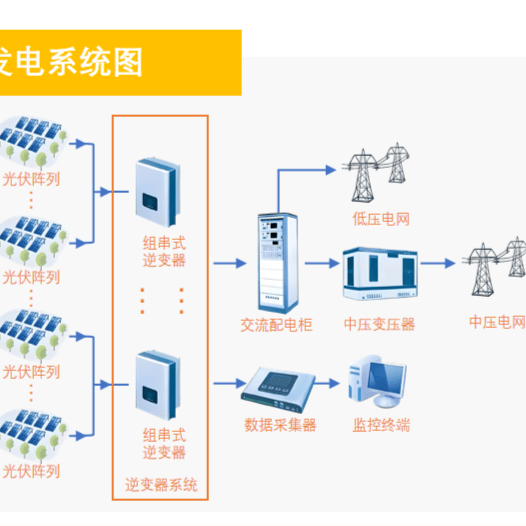
Photovoltaic and Wind Power Generation Technology
Beijing Boqi Electric Power SCI-TECH Co., Ltd.
MESS8201-2507/5015-BN Prefabricated Liquid-cooled Energy Storage Battery Container
Xuchang Xuji Electric Science Energy Storage Technology Co., Ltd.
Perfluorinated Ionic Membrane-CM-10N Series Membrane
Guizhou Juneng Century Technology Co., Ltd
CITIC Heavy Industries Offshore Wind Power Equipment Hydraulic Pile Hammer
CITIC Heavy Industries Co., Ltd.