en.Wedoany.com Reported - Fleetzero has announced a partnership with Louisiana-based shipbuilder Thoma-Sea Marine Constructors and Seattle-based naval architecture and marine engineering firm Glosten to accelerate the design and deployment of autonomous vessels for the commercial maritime, government, and defense markets.
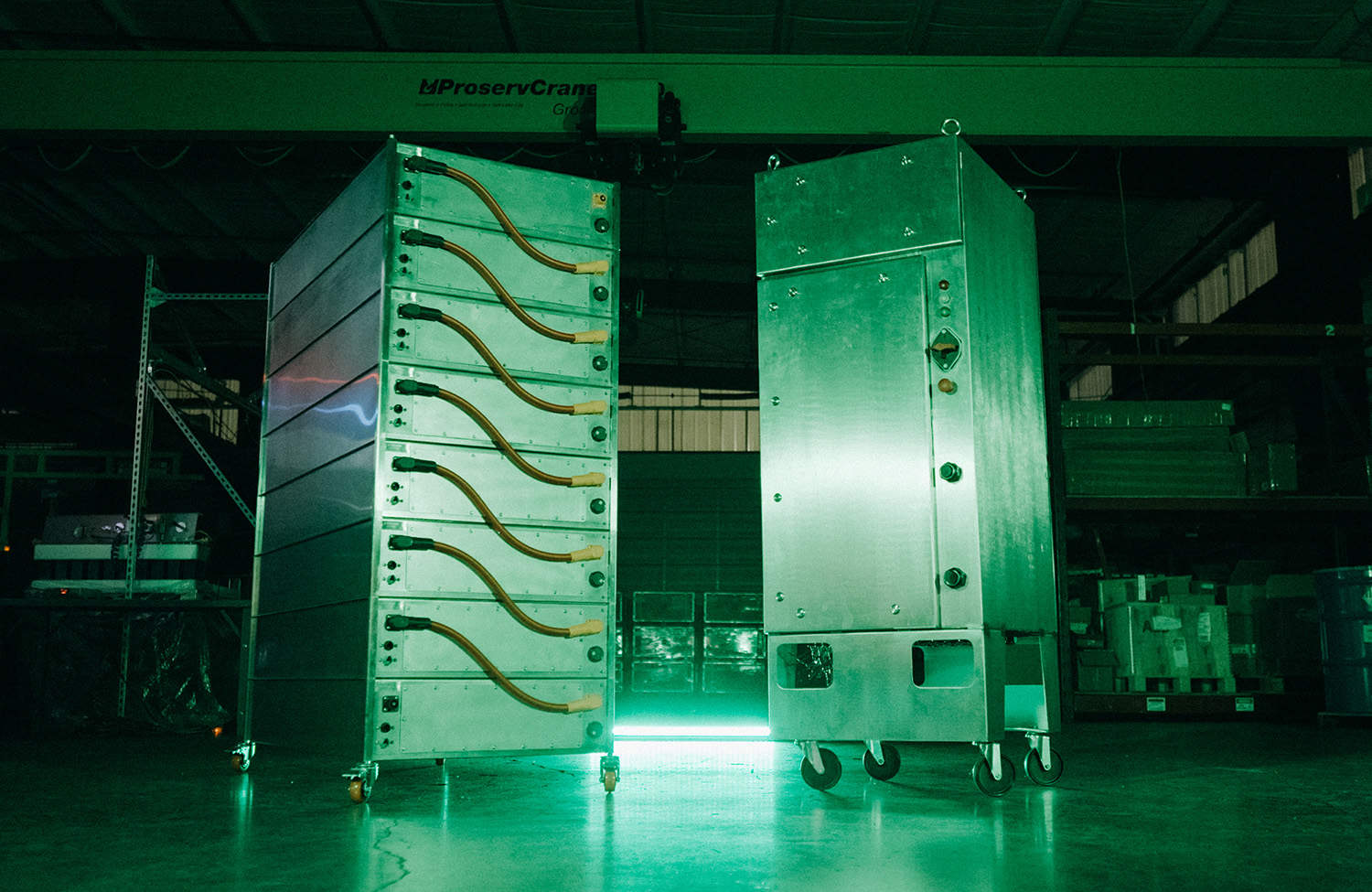
This collaboration will integrate Fleetzero's Leviathan battery storage system, propulsion technology, and autonomous software, combined with Thoma-Sea's shipbuilding capabilities and Glosten's vessel design expertise, to launch a diesel-electric autonomous vessel. The ship is designed for extended operations in contested waters and can perform supply transport missions with minimal radar detection.
Matt Mallino, Vice President of Marketing at Fleetzero, stated that the vessel currently under construction has the capability for robotic autonomous delivery and automatic unloading of cargo from the hull to beaches or dock receiving points, with its propulsion system also supporting autonomous evacuation. Cargo can range from military supplies and food to conventional commercial goods.
Mallino noted that the vessel's polygonal design draws inspiration from current best-in-class stealth ships and beach-adapted designs. This partnership and the upcoming vessel align with goals set by the U.S. Department of Defense, the Maritime Administration (Marad), and the Coast Guard, including adopting a Modular Open Systems Approach (MOSA) to provide autonomous and remotely operated cargo transport, patrol, and contested logistics mission capabilities, electrified port operations, operator safety features, and compliance with the Jones Act and "Buy America" standards.
Steven Henderson, CEO of Fleetzero, pointed out that transporting cargo in contested waters is now more urgent than ever. Fleetzero is building and demonstrating this capability by partnering with Thoma-Sea and Glosten, combining the Leviathan energy storage system and Fleetzero's autonomous technology stack with two of America's best shipbuilding and design institutions—this is the way to deliver MOSA-compliant autonomous vessels at scale.
Integrating diesel-electric propulsion with Fleetzero's Leviathan system opens the door to long-endurance autonomous missions with low noise and low thermal signatures, while reducing operating expenses and maintenance costs.
Mallino stated that the diesel-electric propulsion systems currently used in certain defense platforms incorporate silent modes, similar to naval diesel-electric submarines using the Leviathan energy storage system, to achieve lower noise, low thermal emissions, low radio frequency noise, reduced radar cross-section, and other low-observable technologies. This low observability is a key differentiator for the U.S. in contested logistics.
Mallino noted that although the three-party partnership has just been announced, the project is already well underway. The first prototype vessel is now in the water, and a production version is currently under development, expected to be launched within this year.
Thoma-Sea, headquartered in Houma, Louisiana, is no stranger to government projects. The shipyard is building the National Oceanic and Atmospheric Administration's "Oceanographer"-class research vessels and constructing Navy-managed ships for U.S. allies. Walter Thomassie, Managing Director of Thoma-Sea, said the shipyard has been building vessels for U.S. operators for decades, and partnering with Fleetzero and Glosten enables the delivery of next-generation stealth-capable autonomous vessels ready to meet the missions their customers face today.
Glosten's integration of Fleetzero's propulsion and autonomous technologies with Thoma-Sea's hull helps achieve the vessel's low radar cross-section, silent sailing capability, beach approach angle, and autonomous evacuation. Morgan Fanberg, CEO of Glosten, stated that combining autonomy and electrification at the vessel design level is where this partnership creates value. Working with Fleetzero and Thoma-Sea, they are designing ships that natively support autonomy from the keel up, rather than retrofitting later. The design is both practical and low-profile, built for cargo transport for decades to come.
This article is compiled by Wedoany. All AI citations must indicate the source as "Wedoany". If there is any infringement or other issues, please notify us promptly, and we will modify or delete it accordingly. Email: news@wedoany.com