en.Wedoany.com Reported - An international research project jointly conducted by the University of Adelaide and the Hong Kong Polytechnic University has systematically analyzed the feasibility of replacing traditional aviation fuel with green hydrogen, and released an action plan to drive the commercial aviation industry toward net-zero emissions.
The aviation industry is a significant source of global greenhouse gas emissions, second only to road transport in the transportation sector, accounting for 14% of total emissions. This context prompted the research team to integrate 138 international studies published between 2015 and 2025 to map progress in green hydrogen production and assess its technological potential and commercial conditions for transforming the aviation sector.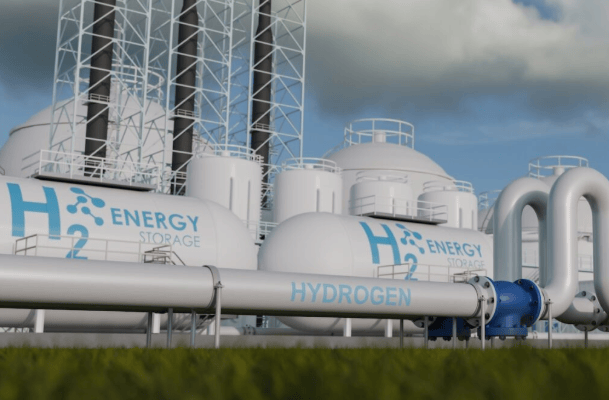
Zahra Jaffary, lead author of the study and a PhD candidate at the University of Adelaide, stated that green hydrogen has been proven technically feasible, but significant uncertainties remain regarding its practical deployment, economic viability, and industry impact. The study identified current research trends and priorities for filling knowledge gaps, including the need for airport-specific case studies to assess hydrogen infrastructure requirements, comparing on-site, off-site, and hybrid supply chain models; an urgent need to understand future airport fuel demands, covering spatial constraints and possible refueling system configurations; and the necessity to clarify policy frameworks and regulatory measures required for a successful transition to hydrogen at the airport level. Jaffary also noted that hydrogen's wide flammability range, low ignition energy, and the need for careful handling require revisions to design standards, leak detection, and operational procedures for both aircraft and airport environments.
Jaffary believes that while substantial effort has focused on improving the cost and efficiency of hydrogen production, making hydrogen jet fuel a reality requires understanding, implementing, and evaluating many more cost factors, especially given the long lead times for infrastructure development.
Co-researcher Professor Shane Zhang from the University of Adelaide emphasized that airport operators will play a critical role in the hydrogen transition and must acquire detailed knowledge to support major decisions and investments, with long-term planning needing to commence as soon as possible. Professor Zhang argued that without clear signals from airlines and governments, airports will lack the commercial incentive to invest in costly hydrogen infrastructure; targeted policies, incentives, and regulatory frameworks are essential to provide certainty for investment and accelerate the adoption of clean hydrogen fuel. He also noted that Australia, with its abundant renewable energy resources and ambitions for green hydrogen development, has the opportunity to become a leader in the future hydrogen aviation economy.
The research findings have been published in Transportation Research Part A under the title "Hydrogen-powered aviation: What do we know and where do we go?"