University of Atacama Compiles Microbial Catalog to Support Green Mining
en.Wedoany.com Reported - The University of Atacama in Chile is compiling a scientific catalog of microorganisms unique to the region, with applications in green mining, environmental remediation, and agriculture in arid areas. Led by scholar Rómulo Oses from the university and the Atacama Regional Sustainable Development Research and Innovation Center, the project is the result of a decade of fieldwork, identifying extremophiles adapted to high salinity, ultraviolet radiation, and water scarcity.
Key discoveries include three globally unique microorganisms, two of which are classified as "Arthrobacter endophyticus" and "Cellulomonas atacamensis." These bacteria demonstrate the ability to adapt to extreme conditions and enhance crop tolerance, offering concrete possibilities for desert agriculture.
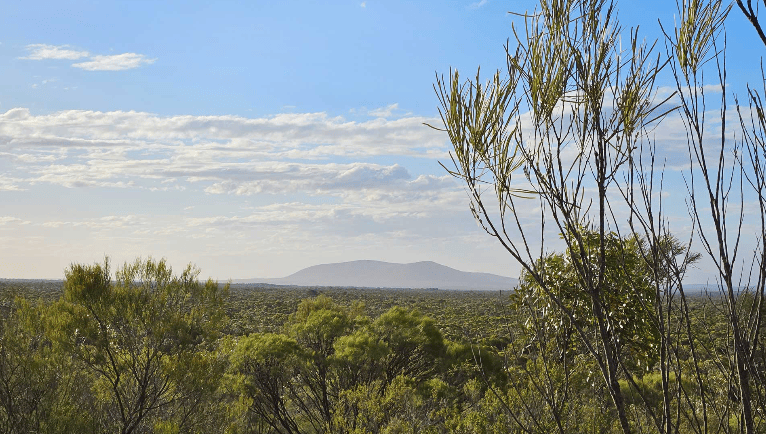
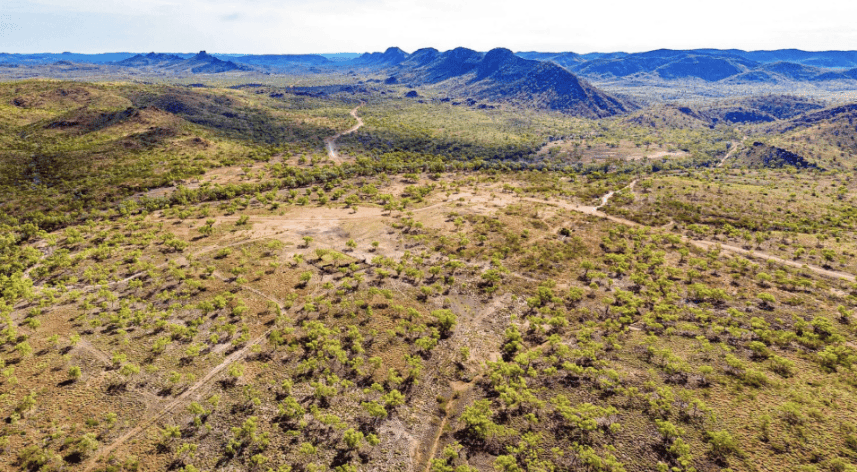
Researchers note that the study integrates an interdisciplinary perspective, involving biology, geology, chemistry, and environmental science. The catalog utilizes advanced technologies such as remote sensing, satellite imagery, drones, and multi-layer soil scanners to characterize areas of the Atacama region, including coasts, valleys, pre-mountain ranges, salt flats, and highlands. Oses points out that soil formation depends not only on geological processes but also on the active interaction of microbial communities.
The project plans to create a microbial germplasm bank in the northern macro-region to preserve and manage these genetic resources. This repository will support specific applications in biotechnology, pollution remediation, sustainable mining, and astrobiology. The university is currently testing the tolerance of these microorganisms in simulated marginal environments, which has already attracted interest from the international biotechnology community.
Oses emphasizes the need to strengthen regulations to protect the region's microbial heritage. "At the regional level, we need to prevent unauthorized extraction of biological resources and promote the institutional characterization of these microorganisms. A collaborative effort among academia, industry, and government is crucial to shift from fragmented project logic to institutionalized projects with broader scope and resources."
Under the framework of a research capacity development plan targeting 2035, the university has established a new Bachelor of Science degree in Natural Sciences and a Doctorate in Sustainable Bioproduction Biotechnology. The project strengthens regionally relevant research around four strategic challenges: water sustainability, sustainable production transformation, social cohesion, and evidence-based governance.
The goal is to position Atacama as an international reference point for extremophile research and achieve sustainable management of unique biological resources. Researchers state that Atacama harbors an undiscovered microbial universe with unique adaptations that can address regional and global issues, such as climate change.
This article is compiled by Wedoany. All AI citations must indicate the source as "Wedoany". If there is any infringement or other issues, please notify us promptly, and we will modify or delete it accordingly. Email: news@wedoany.com
Related Products


Overseas IEC Gateway Energy Meter - DTSD341/DSSD331-aMeter390
Wasion Group Limited Co., Ltd.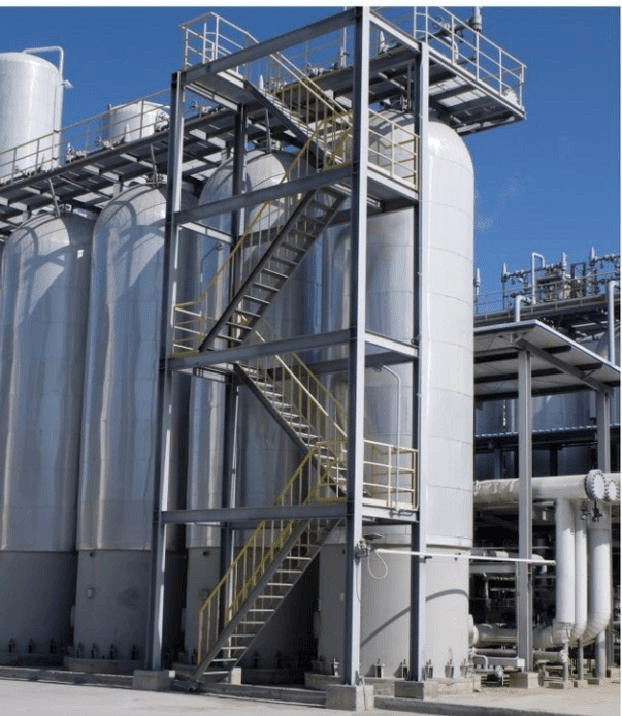
Hydrogen Production Technology: Hydrogen Purification by Pressure Swing Adsorption
Chengdu Yizhi Technology Co., Ltd.
Mineral-insulated Compact Busway (Fire-resistant Busduct)
Zhuhai Guangle Electric Busway Co., Ltd.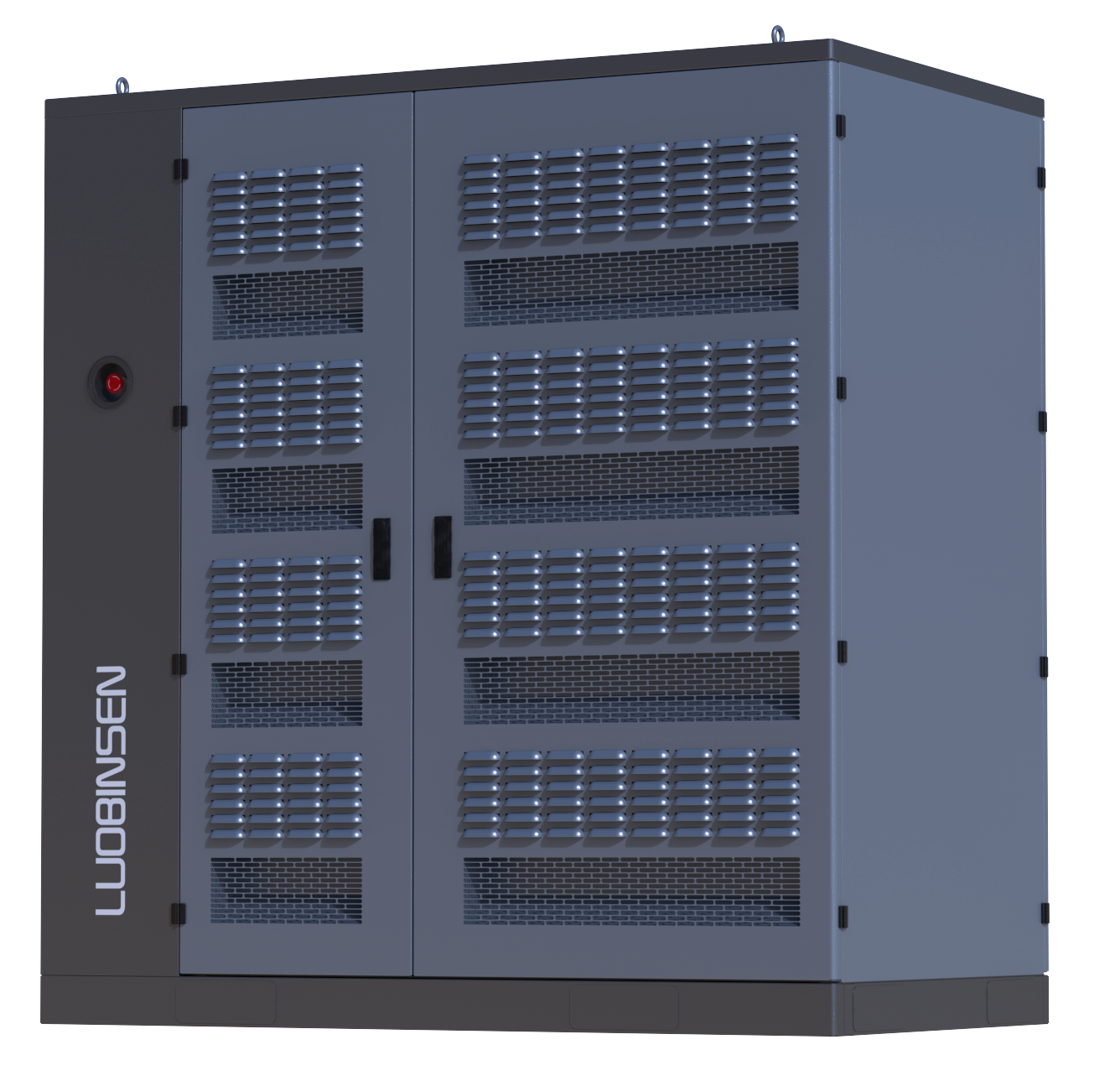
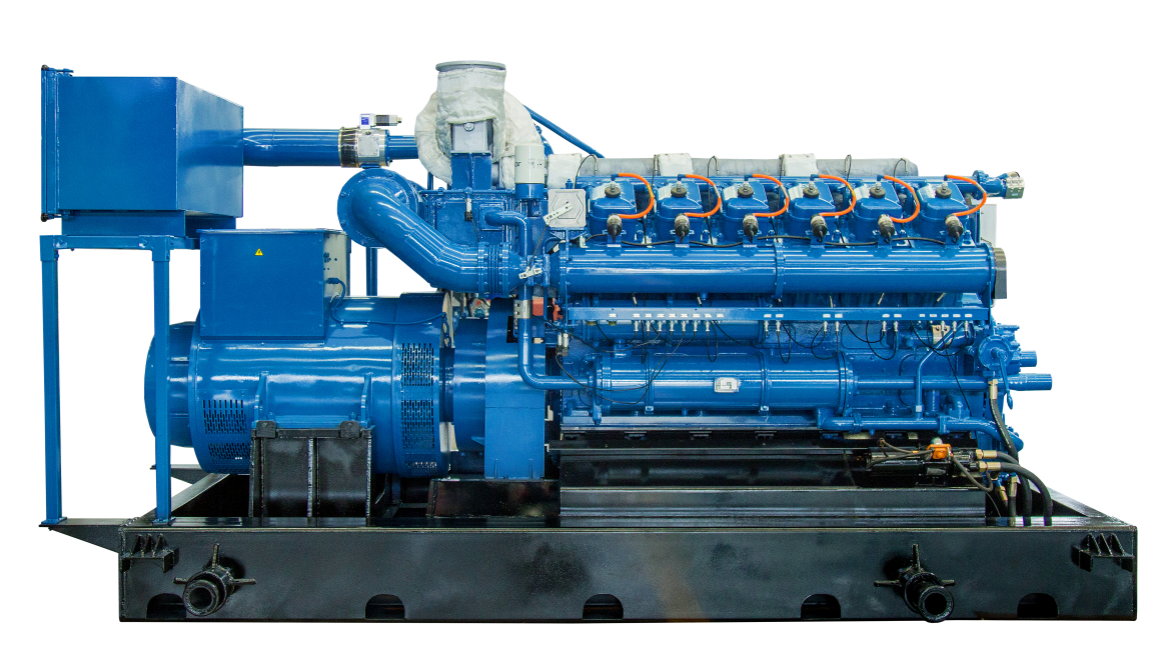

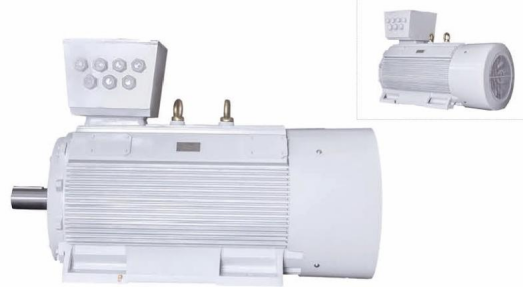
YE3 Series Low Voltage High Power Three-Phase Asynchronous Motor
Shandong Lijiu Electrical Machinery Co., Ltd.