en.Wedoany.com Reported - As the civil aviation industry accelerates the replacement of efficient passenger aircraft, a large number of retired single-aisle passenger planes are not being scrapped but are instead snapped up by major global logistics operators and subjected to complex structural overhauls, beginning a second life. The Boeing 757-200, with its unique performance margins, has become an irreplaceable platform in this wave of passenger-to-freighter conversions.
The Boeing 757-200 entered commercial service in 1983, with a design deliberately pursuing a large wing area and an exceptionally high thrust-to-weight ratio. Equipped with Rolls-Royce RB211 or Pratt & Whitney PW2000 series engines, the aircraft was originally designed for high-capacity operations on short runways and hot-and-high airports. When passenger airlines phased out the aircraft due to its fuel consumption gap compared to modern narrowbody models, overnight express logistics giants discovered that this excess thrust perfectly matched freight operations. Cargo is heavier and denser than a full passenger cabin, and the 757-200 can use its raw thrust to perform steep, high-speed takeoffs, climbing directly to optimal cruising altitude without step climbs. The large wing structure and high-performance engines also enable it to take off with heavy loads from secondary airports with runway constraints.
The 757-200 perfectly fits the operational niche of global express cargo networks, positioned between small regional aircraft and large widebody jets. A standard 757-200 freighter configuration can accommodate up to 15 standard pallets on the reinforced main deck, with a total usable internal volume of approximately 6,600 cubic feet (187 cubic meters). At a maximum structural payload of 87,700 pounds (39,800 kilograms), its continuous operational range reaches up to 2,935 nautical miles (5,435 kilometers). In comparison, the newer Airbus A321P2F features more advanced container positioning on the lower deck but falls short in both lift density and range profile compared to the 757-200.
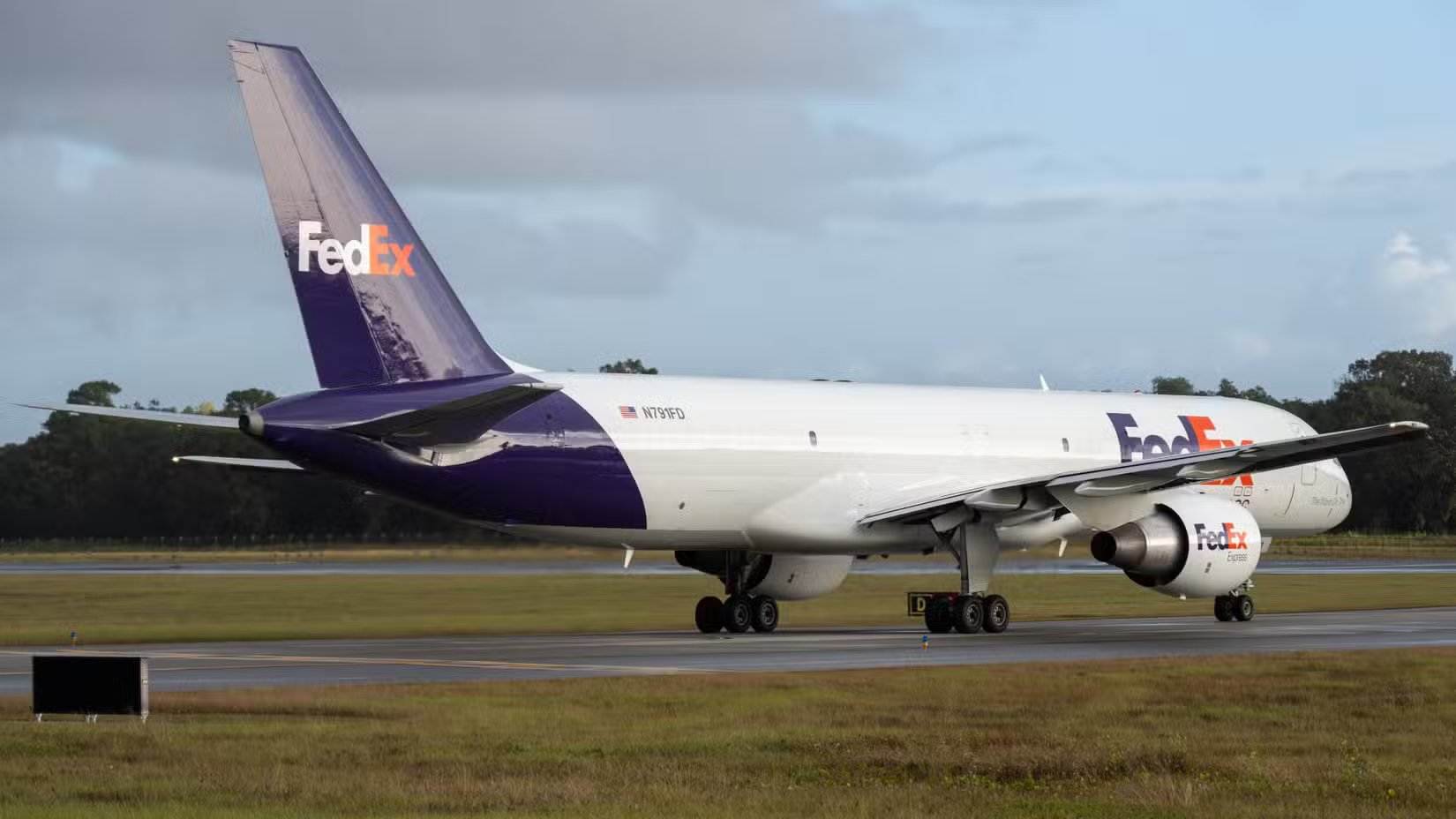
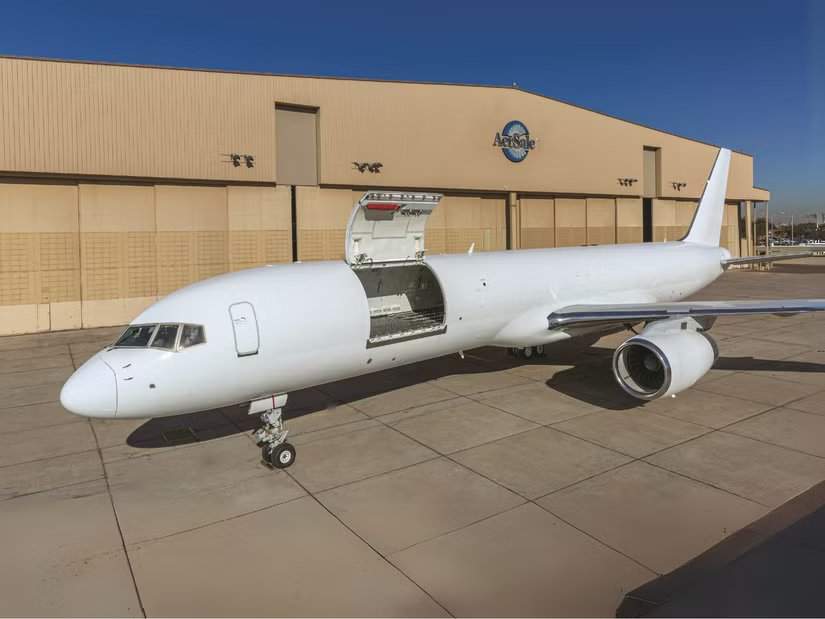
The industrial engineering process of converting passenger aircraft to freighters is known as passenger-to-freighter (P2F) modification. Specialized MRO facilities operated by companies such as Precision Aircraft Solutions and ST Engineering systematically remove the entire cabin interior, seats, galley plumbing, and thermal and acoustic insulation. The most critical structural phase involves cutting a 134x86-inch (340.36x218.44 cm) opening on the left forward side of the fuselage and reinforcing it with a heavy titanium frame to accommodate the hydraulically operated main deck cargo door. Engineers then install an impact-resistant 9G restraint bulkhead behind the cockpit frame and replace standard beams in the cabin floor system with high-strength structural beams integrated with cargo rails, locking points, and omnidirectional ball mat rollers, allowing ground crews to quickly slide and lock containers weighing several tons.
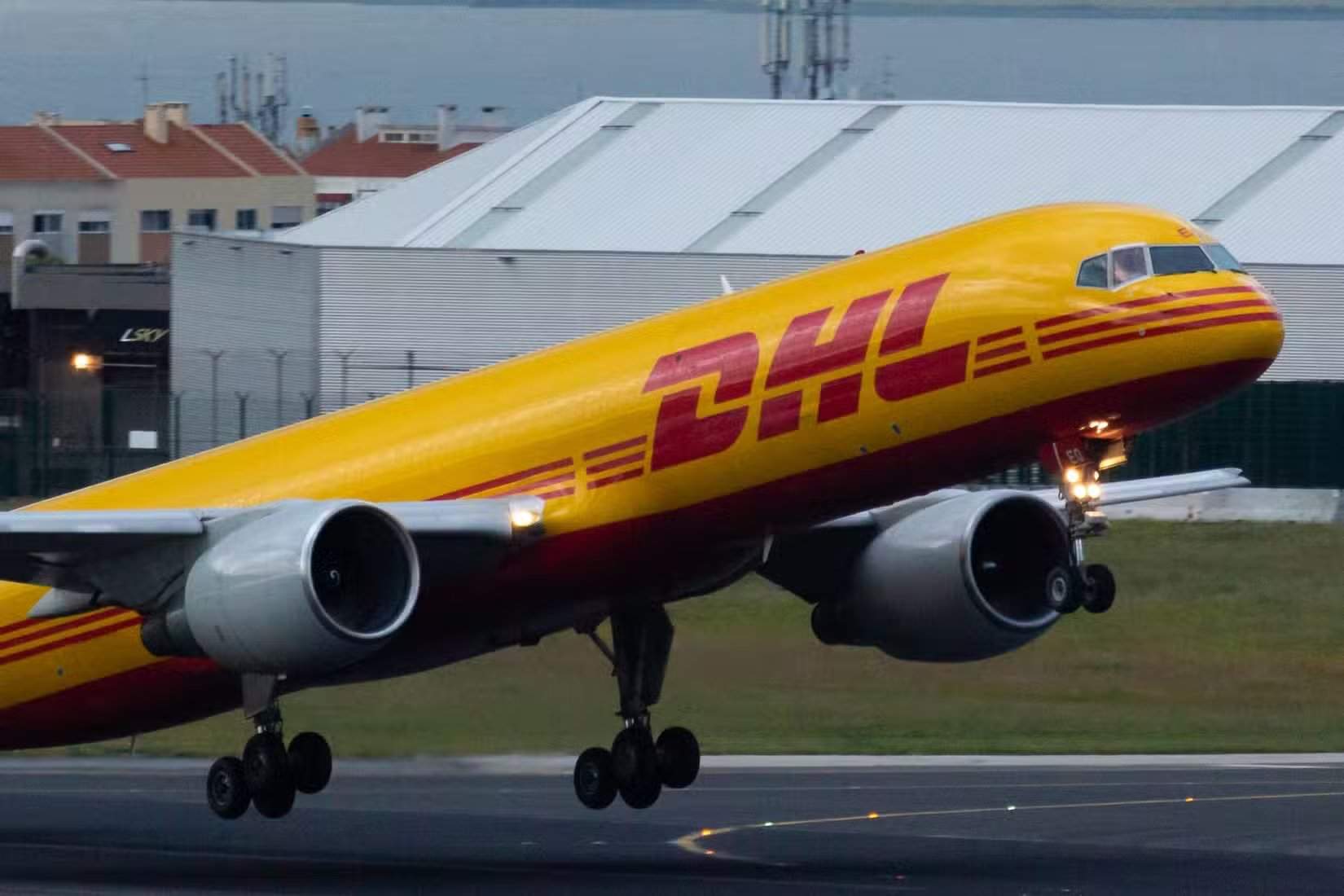
Logistics operators choose second-hand passenger-to-freighter conversions over new aircraft primarily for economic reasons. Developing a new single-aisle factory freighter costs billions of dollars, making unit prices prohibitively high. Meanwhile, passenger airlines are eager to offload aging 757 passenger aircraft, resulting in very low acquisition costs for used units. Completing a full P2F conversion with minimal capital expenditure offers a much lower entry barrier compared to new widebody freighters. The lower asset cost also provides significant operational flexibility: converted 757s can sit quietly during the day and fly only during critical midnight express delivery windows, maintaining high profitability.
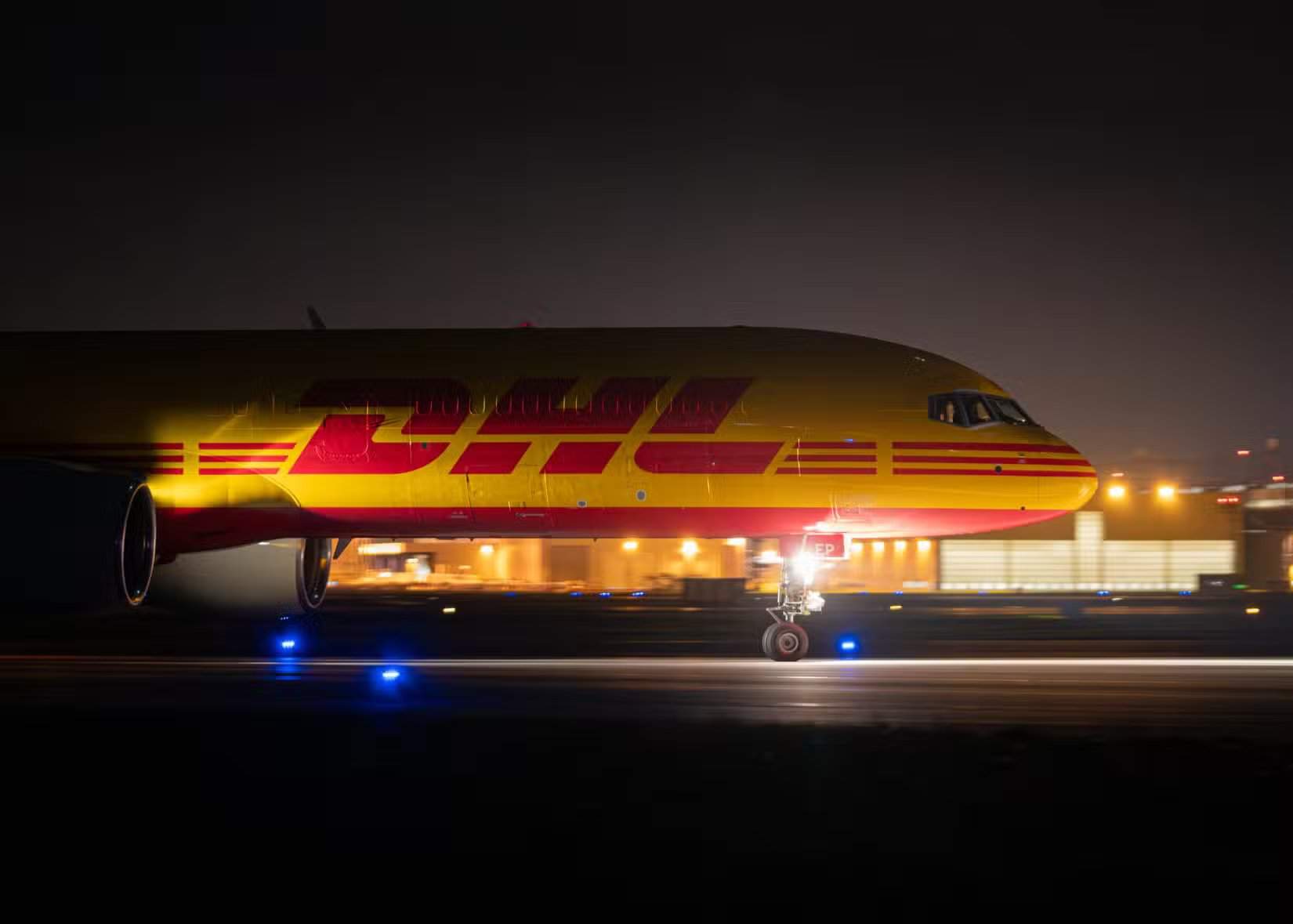
Against the backdrop of surging global e-commerce expectations for next-day delivery, the conversion value of the 757 is further highlighted. Aftermarket aviation specialist AerSale recently leased a precision-converted Boeing 757-200 freighter to Stratos Freight, based in Tashkent, Uzbekistan, demonstrating the platform's excellent payload-range economics on routes connecting Central Asia, China, Europe, and the Middle East. Through such converted aircraft, FedEx, UPS Airlines, DHL, and newly expanding regional operators can bypass slot restrictions and airspace congestion at major passenger hubs, departing from secondary logistics airports, climbing rapidly above commercial traffic, and reaching distribution centers before sunrise.
Production of the Boeing 757 ended in 2004, with 1,050 airframes built, and the youngest airframes are now over twenty years old. Despite the aging fleet, it resists obsolescence because the global aerospace sector has yet to design a direct replacement for the medium-cargo market. Modern narrowbody aircraft such as the Airbus A321neo and Boeing 737 MAX 10 are highly optimized for passenger fuel efficiency but fall short in landing gear durability, cabin cross-section width, and structural lifting capacity compared to the 757-200. As the last 757 passenger aircraft in the fleets of long-haul carriers like Delta Air Lines and United Airlines are systematically retired, a highly organized lineup of freight operators and leasing companies is waiting to acquire these airframes, ensuring the aircraft's service life continues for decades through modifications.
Looking ahead to the industry outlook, demand for 757 passenger-to-freighter conversions remains strong. The aircraft's mechanical reliability and performance envelope ensure that logistics networks can fulfill next-day delivery promises with absolute consistency, and this network adaptability makes it a core component of rapid logistics operational models.
This article is compiled by Wedoany. All AI citations must indicate the source as "Wedoany". If there is any infringement or other issues, please notify us promptly, and we will modify or delete it accordingly. Email: news@wedoany.com