Biomass Power Projects Need Refined Operation and Stable Feedstock Supply
en.Wedoany.com Reported - Biomass Energy power generation is an important route for using agricultural and forestry residues, supporting county-level energy supply and producing cleaner electricity. However, unlike solar or wind projects, biomass power plants do not operate automatically after construction by relying only on natural resources. They require strong feedstock collection, storage and transportation systems, boiler adaptability, operational management, environmental control and cost accounting.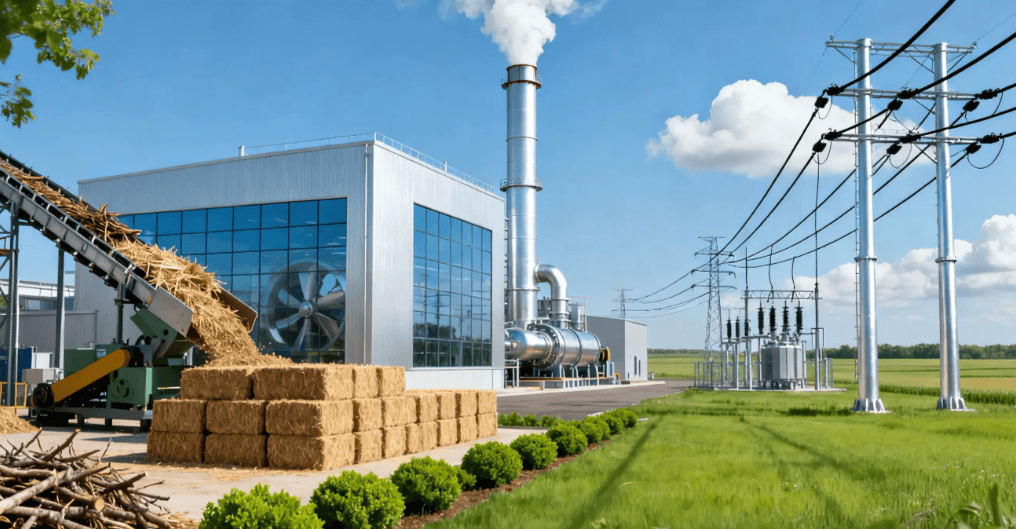
Common feedstocks for biomass power projects include straw, rice husk, wood chips, bark, forestry residues, nutshells and some densified fuels. These materials differ significantly in calorific value, ash content, moisture content, chlorine content, alkali metal content and combustion characteristics. If boiler design and fuel adaptability are insufficient, the plant may face slagging, corrosion, ash deposition, unstable combustion and lower thermal efficiency. Therefore, the main fuel, auxiliary fuel and acceptable fuel fluctuation range should be defined at the design stage.
The feedstock collection and logistics system is the foundation of a biomass power project. Agricultural and forestry biomass is often scattered, seasonal and relatively low in bulk density. A project needs a complete system covering procurement, baling, crushing, drying, storage and transportation. If feedstock procurement depends too much on temporary market supply, the power plant may face price increases and supply shortages during tight periods. Long-term cooperation with farmers, cooperatives, forestry bases, processing companies or third-party collection organizations is often necessary.
From the operational perspective, biomass power plants require more refined fuel management. Feedstock mixing ratio, moisture variation, feeding speed, furnace temperature and emission indicators all affect operating stability. Enterprises need fuel testing, storage classification, automatic feeding, combustion control and online monitoring to reduce the impact of feedstock fluctuation on power generation efficiency and equipment life.
Environmental control is also a key part of biomass power projects. Although biomass energy has resource recycling value, combustion still requires attention to particulate matter, nitrogen oxides, sulfur dioxide, acid gases, fly ash and bottom ash. Projects must configure suitable denitrification, dust removal, desulfurization, flue gas monitoring and ash utilization solutions according to feedstock characteristics and emission requirements. If the environmental system is unstable, compliance risk, downtime and maintenance cost may increase.
Future competition in biomass power will shift from installed capacity to operational capability. Companies that can control feedstock cost, improve boiler adaptability, stabilize environmental systems and increase heat and power utilization efficiency will be more likely to maintain long-term returns. For equipment suppliers and engineering companies, providing power generation equipment alone is no longer enough. Integrated solutions covering feedstock pretreatment, combustion optimization, digital monitoring and maintenance services will have higher market value.
Overall, biomass power generation is not a simple renewable energy project. It is a comprehensive energy project that depends heavily on local resource organization and engineering operation capability. The key to project success is not only plant size, but whether the project can build a stable, economical and sustainable feedstock and operating system.
This article is compiled by Wedoany. All AI citations must indicate the source as "Wedoany". If there is any infringement or other issues, please notify us promptly, and we will modify or delete it accordingly. Email: news@wedoany.com
Related Products

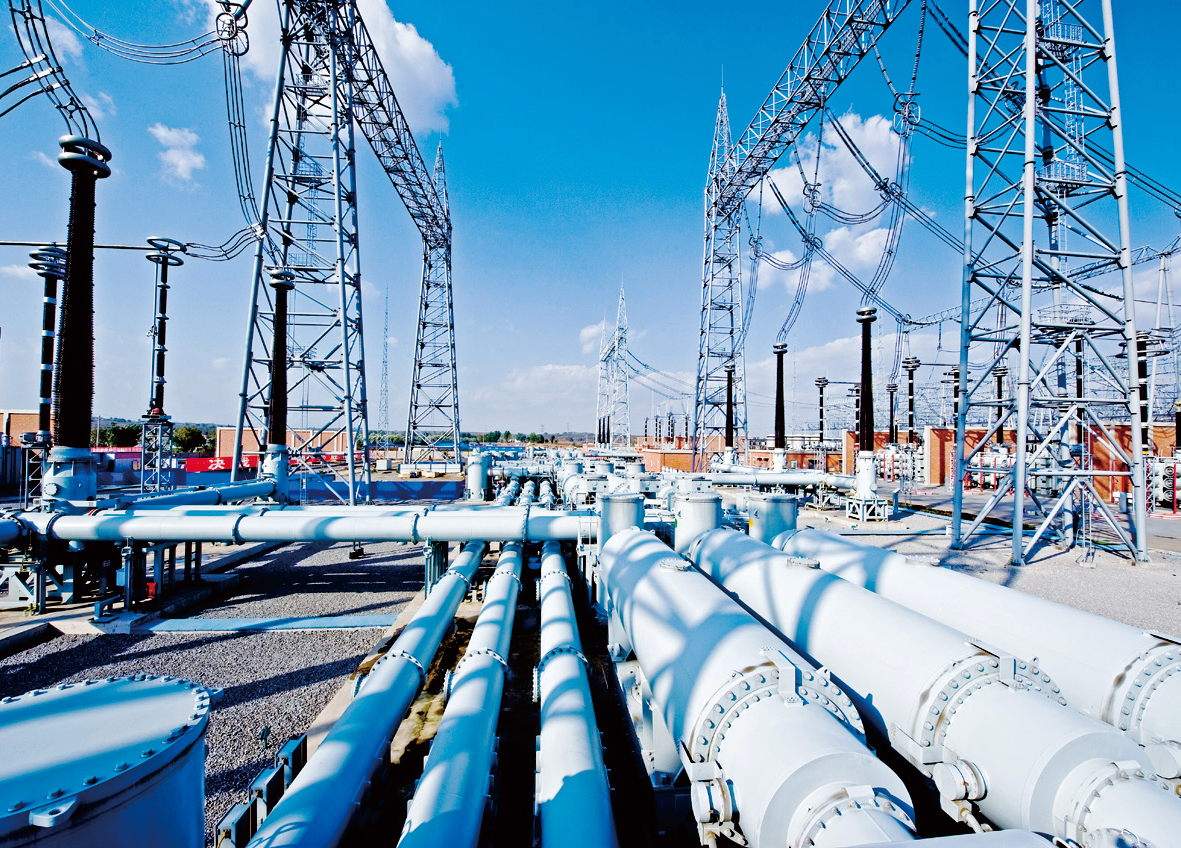
40.5kV-1100kV Gas Insulated Metal-Enclosed Switchgear (GIS)
Henan Pinggao Electric Co., Ltd.

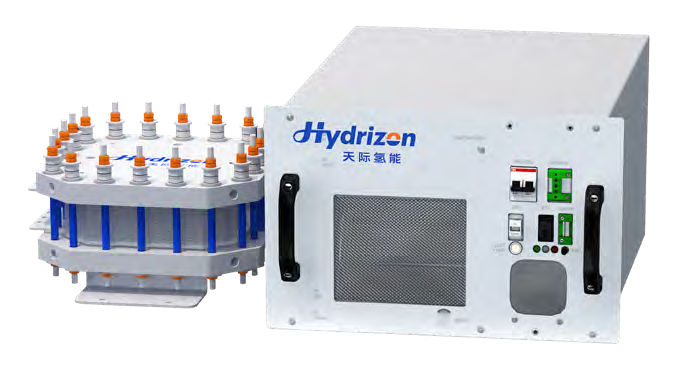
HI-Pro Green Hydrogen High-efficiency Production System-HI-PRO-AEM
Hydrizon Technology (Beijing) Co., Ltd.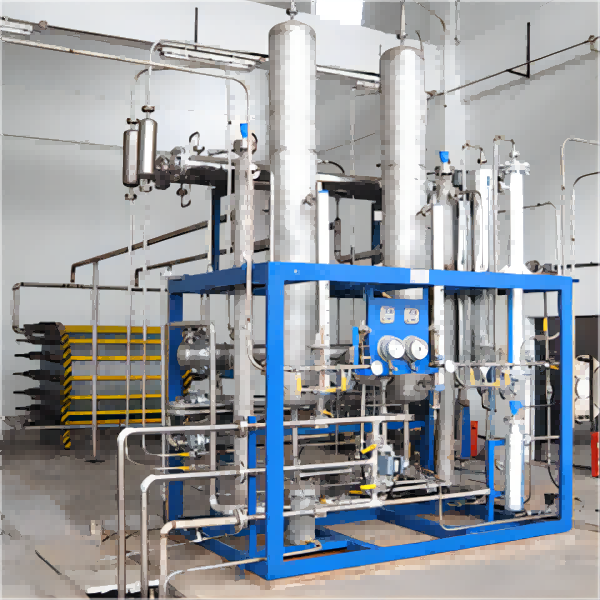
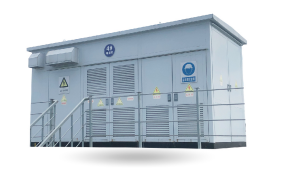
Smart Photovoltaic Prefabricated Substation
Shanghai Jinyou Jinhong Intelligent Electric Co., Ltd.