Industrial Wastewater Supervision Is Driving Demand for Water Quality Monitoring Systems
en.Wedoany.com Reported - In chemicals, textile dyeing, paper making, electroplating, pharmaceuticals, food processing and mining, industrial wastewater treatment remains a major environmental management challenge. As discharge supervision becomes more refined and corporate environmental responsibility increases, the Water Quality Monitoring System is becoming essential infrastructure for industrial parks and key pollutant-discharging enterprises.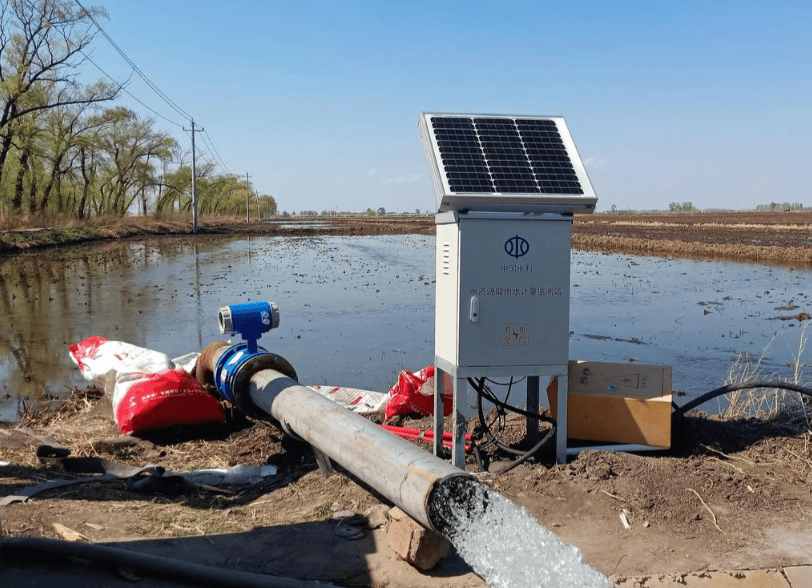
Industrial wastewater is often complex, variable and difficult to manage. Wastewater quality may differ greatly among enterprises, processes and production cycles. If management depends only on manual sampling, it may not reflect actual discharge changes in time. Online monitoring systems can continuously track key indicators and help enterprises identify influent shocks, treatment system abnormalities, discharge concentration fluctuation and equipment operation problems.
The value of monitoring systems is especially clear in industrial parks. A park may include many enterprises, and wastewater may enter a centralized treatment plant after pretreatment by individual factories. If upstream enterprises discharge wastewater illegally, exceed limits or fail to complete pretreatment, the centralized facility may face shock loads and unstable effluent quality. By installing monitoring points at enterprise outlets, pipeline nodes, treatment plant inlets and outlets and final discharge points, the park can build a clearer wastewater flow and pollution load management system.
Water quality monitoring systems can also improve the operating efficiency of industrial wastewater treatment. For wastewater with high salinity, high COD, high ammonia nitrogen, strong color or heavy metals, treatment processes can be complex. Chemical dosing, pH adjustment, oxidation-reduction, precipitation, filtration, biological treatment and membrane treatment all require reliable data. Real-time monitoring helps operators adjust process parameters earlier and avoid excessive chemical dosing, insufficient treatment or system instability.
Industrial wastewater scenarios place higher requirements on monitoring equipment. Some wastewater is corrosive, highly turbid, high-temperature, high-salinity or strongly interfering. Ordinary sensors may not operate reliably over long periods. Project selection should therefore consider instrument tolerance, pretreatment systems, automatic cleaning, anti-blockage design, reagent management and data calibration. For key pollutant-discharging enterprises, data authenticity, traceability and stable connection with regulatory platforms are also important.
From a management perspective, water quality monitoring systems should not be used only for regulatory compliance. They should become part of environmental and production management. By analyzing the relationship between wastewater data and production conditions, enterprises can identify the key processes that generate pollutants. This can support process optimization, source reduction and lower pressure on end-of-pipe treatment.
In the future, industrial wastewater monitoring will place more emphasis on multi-parameter integration, automated maintenance and intelligent data analysis. Single-point data collection will move toward full-process monitoring. Wastewater monitoring may also be connected with video surveillance, valve control, pipeline models and emergency management systems.
Overall, water quality monitoring systems are pushing industrial wastewater management from end-point sampling toward full-process digital supervision. They are not only compliance tools, but also important support for risk reduction, operational optimization and green manufacturing capability.
This article is compiled by Wedoany. All AI citations must indicate the source as "Wedoany". If there is any infringement or other issues, please notify us promptly, and we will modify or delete it accordingly. Email: news@wedoany.com
Related Products
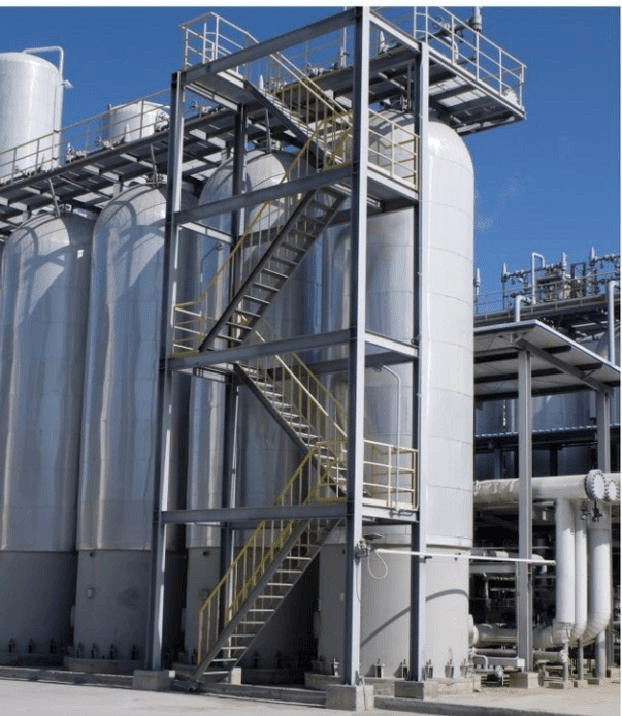

Hydrogen Production Technology: Hydrogen Purification by Pressure Swing Adsorption
Chengdu Yizhi Technology Co., Ltd.
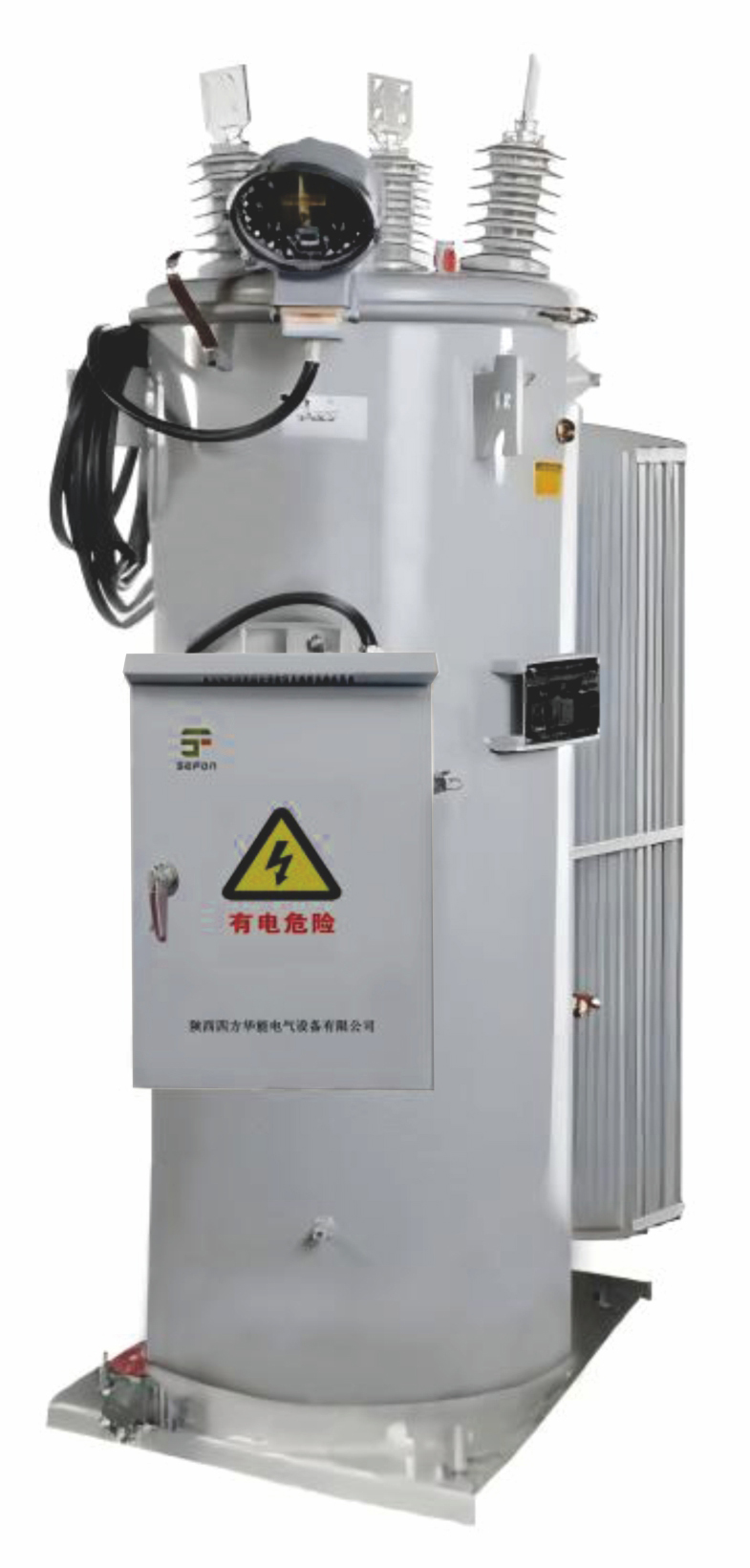
Single-Phase Automatic Voltage Regulator(AVR)
Shaanxi Sefon Electrical Equipment Co.,Ltd.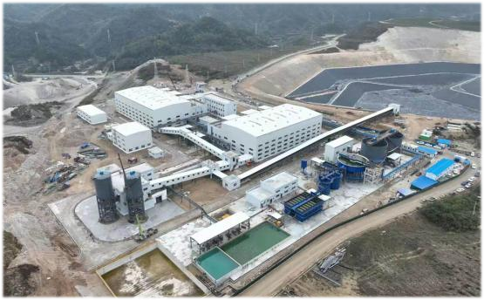
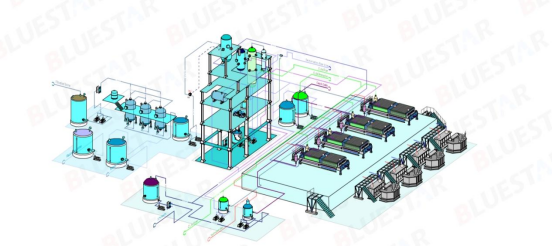
Yingping Mining Section Open-pit Tailings Backfill Treatment of Goaf Ecological Restoration EPC Project
China Bluestar Lehigh Engineering Corporation

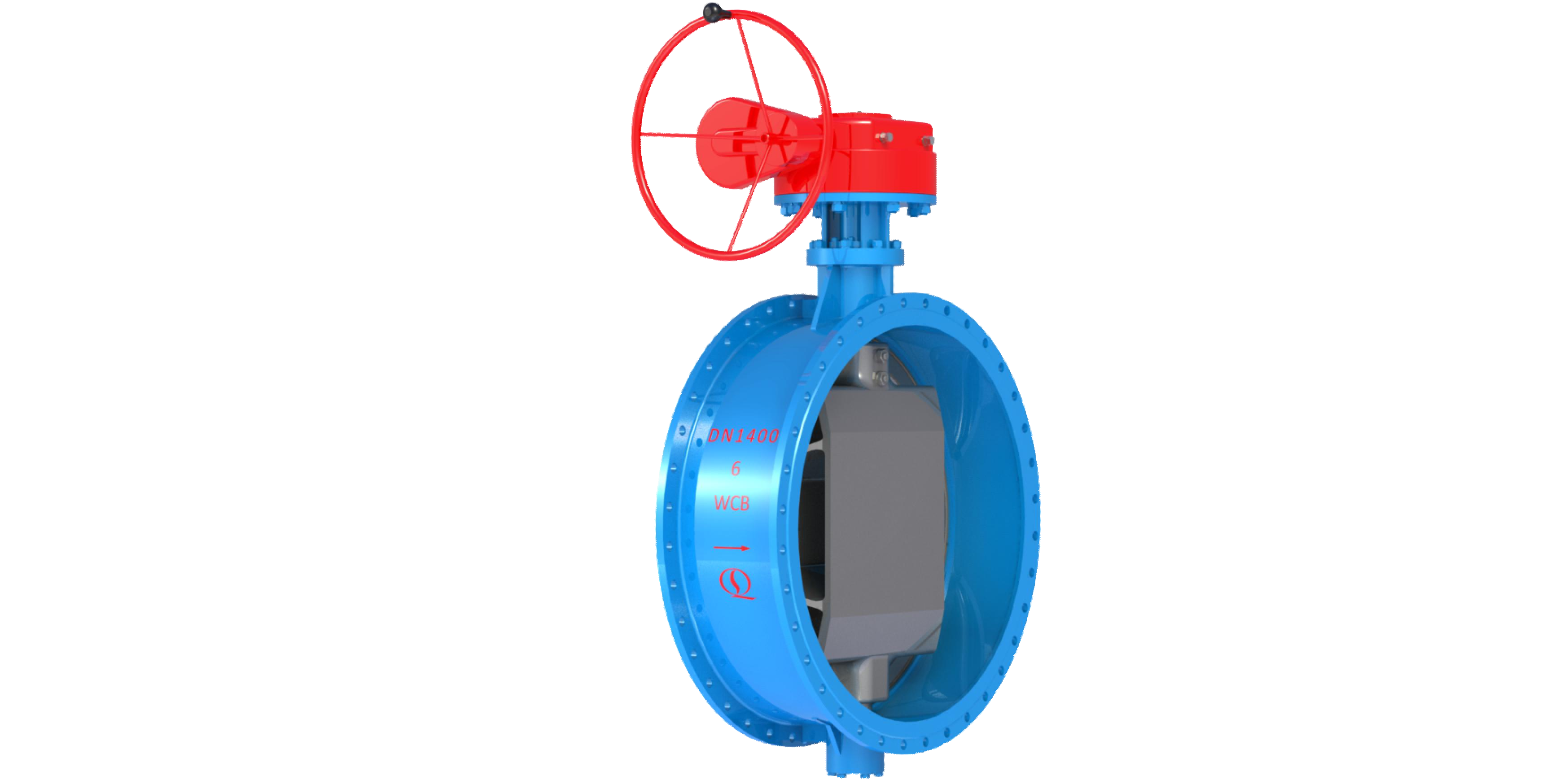
Bidirectional Metal Hard Sealed Seawater Butterfly Valve
Henan Quanshun Flow Control Science & Technology Co., Ltd.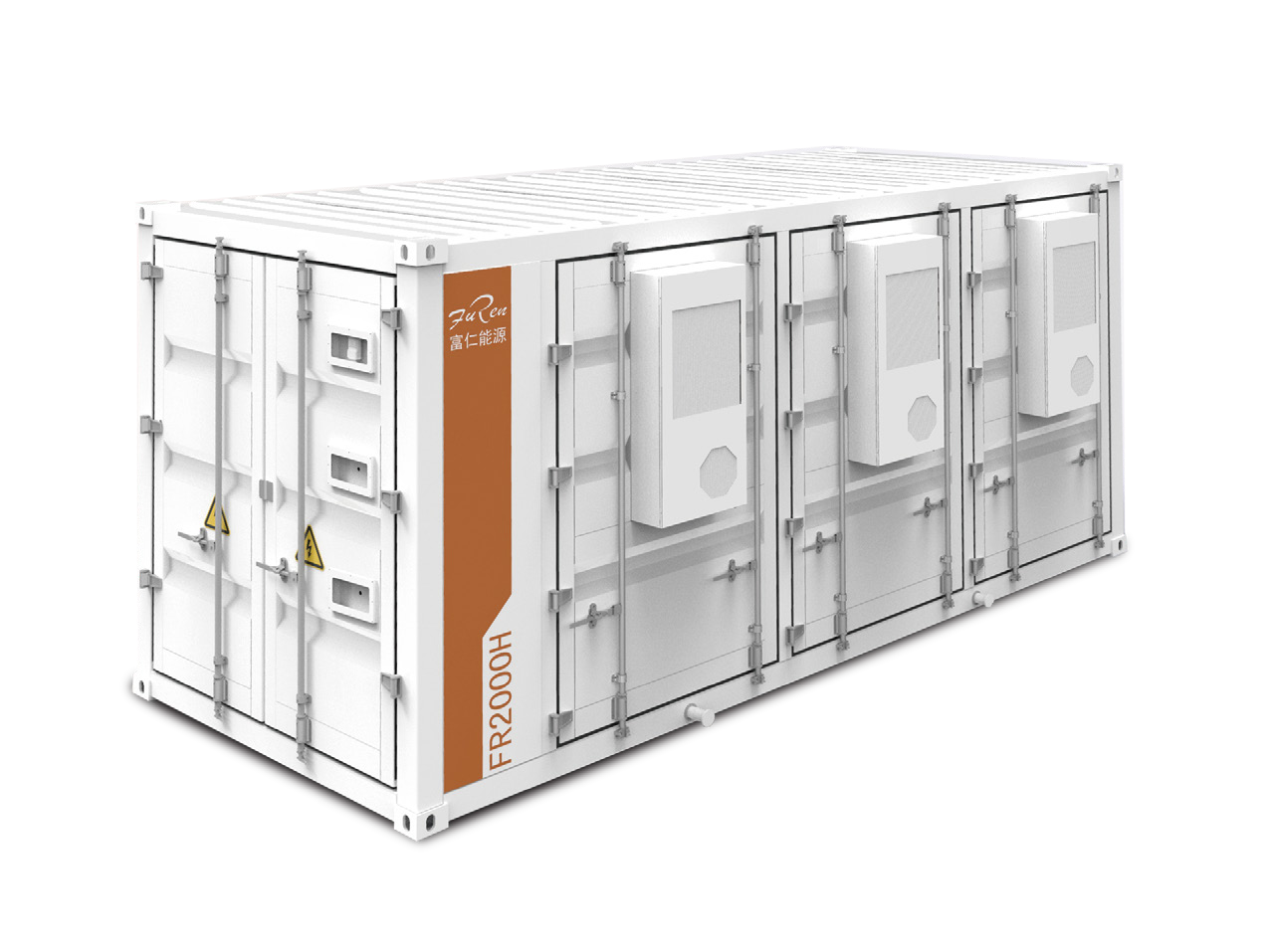
FR2000H 2.15MWh (Air-cooled) 20-foot Containerized Energy Storage System
Jiangyin Furen High-tech Co., Ltd.