Chemical Dosing Systems: A Key Auxiliary System in Water Treatment and Environmental Engineering
en.Wedoany.com Reported - Chemical dosing systems are important auxiliary systems used in wastewater treatment, drinking water treatment, circulating water treatment, boiler water treatment, industrial wastewater treatment, flue gas treatment and chemical production. Although they may not be as visible as major treatment equipment, they directly affect dosing accuracy, treatment performance, operating cost and system stability.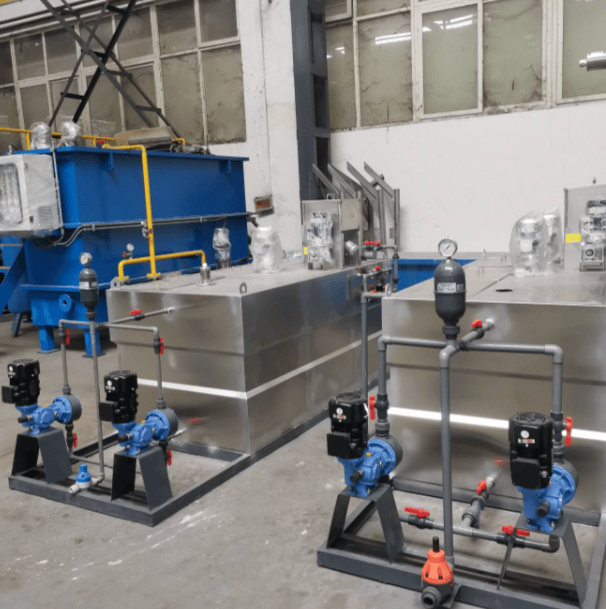
In water treatment engineering, chemical dosing systems are used for coagulation, flocculation, pH adjustment, disinfection, scale inhibition, corrosion control, phosphorus removal, decolorization, heavy metal removal and sludge treatment. Different processes require different types of chemicals, concentrations, dosing rates and reaction times. If the dosing amount is insufficient, the treatment result may fail to meet requirements. If the dosing amount is excessive, chemical costs will increase, and secondary pollution or additional downstream treatment burden may occur.
Therefore, the core value of a chemical dosing system lies in its accuracy, stability and adjustability. A complete system usually includes solution tanks, mixing devices, metering pumps, pipelines, valves, level control devices, flow meters, control cabinets and online instruments. For powdered chemicals, feeding devices, dissolving units and aging systems may also be required. For corrosive or hazardous chemicals, material selection, leakage prevention, corrosion protection and safety interlocks are especially important.
System design should not be based only on equipment price. Chemical properties, site layout, operating schedule and maintenance capability must be considered together. A system that is difficult to maintain or poorly matched with chemical characteristics may create long-term operational problems.
Automation improves dosing efficiency. Traditional manual dosing depends heavily on operator experience, which can lead to unstable chemical consumption. When connected with pH meters, turbidity meters, oxidation-reduction potential meters, residual chlorine analyzers, total phosphorus analyzers, flow meters and PLC systems, the dosing system can automatically adjust chemical dosing according to water quality changes and treatment load.
This approach helps reduce chemical waste, improve treatment stability and lower manual operation risk. In industrial wastewater treatment applications, operating conditions are more complex. Wastewater may contain acids, alkalis, heavy metals, organic matter, high salinity, strong color or toxic pollutants. These conditions require higher reaction control and dosing precision.
Future chemical dosing systems will place greater emphasis on modular design, intelligent control and remote maintenance. Skid-mounted systems can shorten installation time. Digital control can provide chemical consumption statistics and abnormality alarms. Remote monitoring can help operators detect low liquid levels, pump failures, pipeline blockages and instrument abnormalities earlier.
Overall, chemical dosing systems are auxiliary equipment, but they play an irreplaceable role in water treatment and environmental engineering. As treatment standards become stricter and operation becomes more refined, the selection, control and maintenance of dosing solutions will directly affect the long-term performance of projects.
This article is compiled by Wedoany. All AI citations must indicate the source as "Wedoany". If there is any infringement or other issues, please notify us promptly, and we will modify or delete it accordingly. Email: news@wedoany.com
Related Products


Pneumatic high-pressure wear-resistant ball valve
Zhejiang Deca Control Valve Meter Co., Ltd.
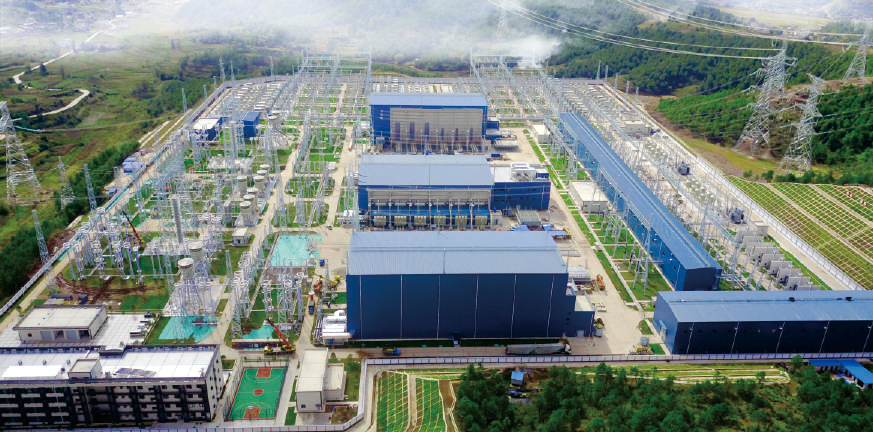
High-voltage Direct Current (HVDC) Transmission System Research and Integrated Design
XI'AN XD POWER SYSTEMS CO., LTD.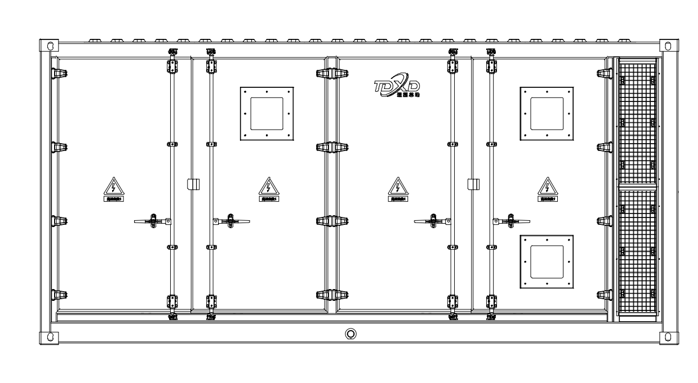
5012kWh DC Energy Storage System TD-EES-5012kWh
Suzhou Tongding Xindong Energy Storage Technology Co., Ltd.

Photovoltaic and Wind Power Generation Technology
Beijing Boqi Electric Power SCI-TECH Co., Ltd.