Precise Chemical Dosing Systems Are Reducing Operating Costs in Wastewater Treatment
en.Wedoany.com Reported - In sewage treatment plants and industrial wastewater treatment stations, the Chemical Dosing System is essential for stable effluent compliance. As discharge standards rise, chemical costs increase and operation becomes more refined, traditional rough dosing methods are being replaced by more precise, automatic and data-driven dosing systems.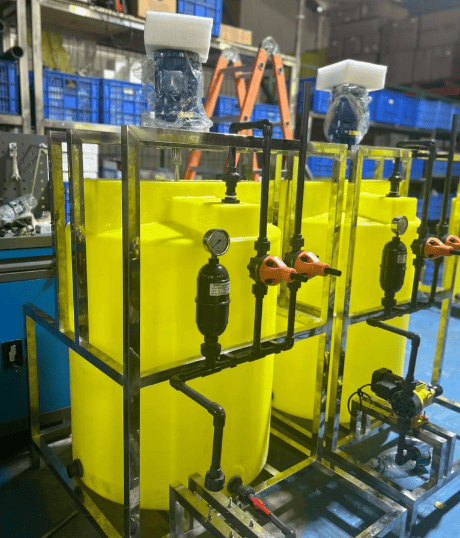
Wastewater treatment involves many dosing steps. Coagulation and sedimentation may require coagulants and flocculants. Phosphorus removal may require iron salts, aluminum salts or other chemicals. pH adjustment needs acid or alkali dosing. Disinfection may use sodium hypochlorite, chlorine dioxide or other disinfectants. Sludge dewatering often requires polymer dosing. Each process unit has different requirements for dosing accuracy and reaction conditions.
If dosing control is unstable, effluent quality may fluctuate or chemical consumption may increase unnecessarily. Precise dosing depends on accurate understanding of water quality and process load. Influent flow, pollutant concentration, pH, temperature, turbidity, total phosphorus, COD, ammonia nitrogen and sludge concentration can all affect chemical dosage.
Traditional fixed-ratio dosing is often unable to respond to large water quality fluctuations. A dosing system based on online monitoring and automatic control can adjust dosage according to actual operating conditions, improving treatment efficiency and reducing waste.
Precise dosing is especially important in phosphorus removal and coagulation. Insufficient dosing may lead to poor phosphorus or suspended solids removal. Excessive dosing can increase sludge production and affect downstream treatment. In sludge dewatering, insufficient polymer may reduce solid-liquid separation, while excessive polymer increases cost and may affect cake quality.
Chemical storage and safety management are also important. Some chemicals are corrosive, irritating or oxidizing. Tanks, pipelines, valves and metering pumps must be compatible with chemical properties. Sites should also include leakage prevention, overflow protection, ventilation, personal protection and emergency handling measures.
From a maintenance perspective, dosing system performance often depends on details. Metering pump blockage, pipe crystallization, solution sedimentation, insufficient mixing, instrument drift and improper control parameters can all affect dosing results. Enterprises need regular inspection, calibration, cleaning and data review to prevent the system from operating inefficiently over time.
Future wastewater dosing systems will become more intelligent. Through chemical consumption analysis, effluent feedback, model-based control and AI optimization, systems can move from experience-based dosing to performance-based dosing. For wastewater plant operators, precise dosing will become an important tool for reducing chemical cost, stabilizing effluent quality and improving operation management.
This article is compiled by Wedoany. All AI citations must indicate the source as "Wedoany". If there is any infringement or other issues, please notify us promptly, and we will modify or delete it accordingly. Email: news@wedoany.com
Related Products



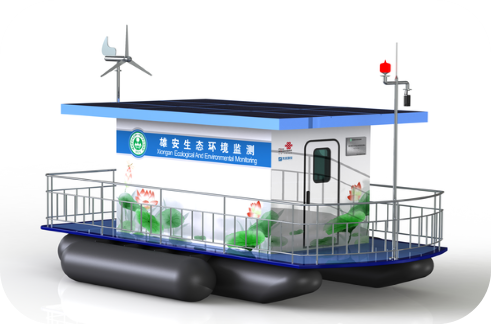
Floating Boat Water Quality Automatic Monitoring System
Hebei Sailhero Environmental Protection High-tech Co., Ltd.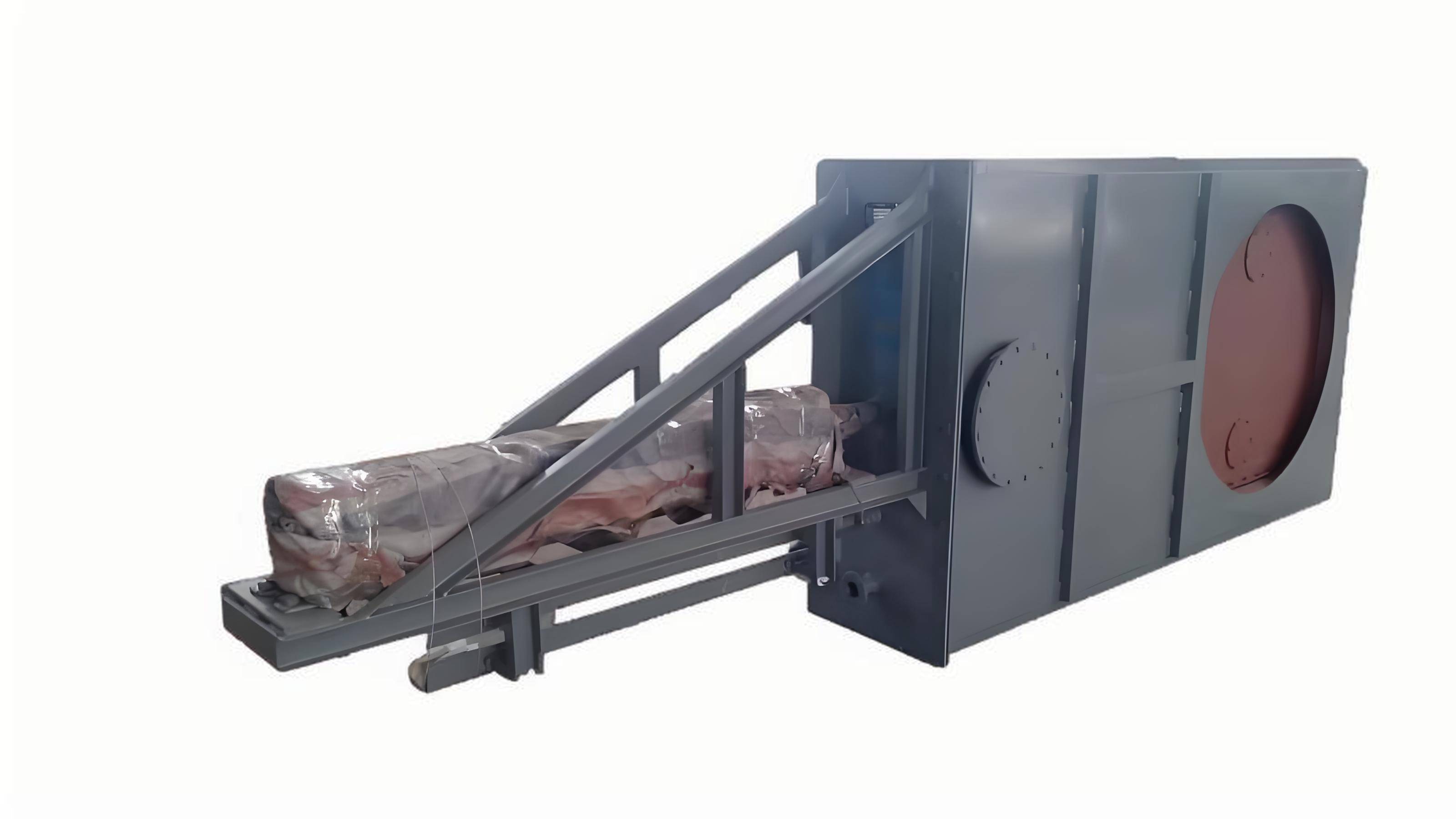
Double-slide Triple-sealed Hot Air Isolation Door
Xi'an Yingchuan Electric Power Equipment Co., Ltd.
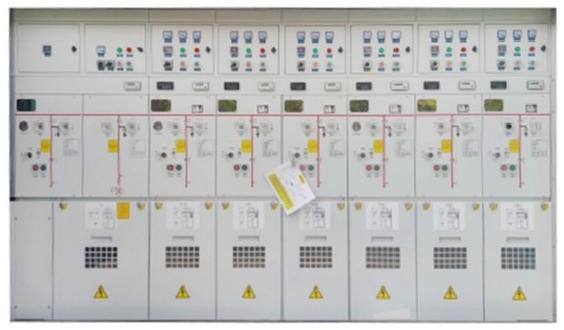
NISELA Series Environmentally Friendly Gas-Insulated Ring Main Unit
XJ DELISHIER ELECTRIC CO., LTD.
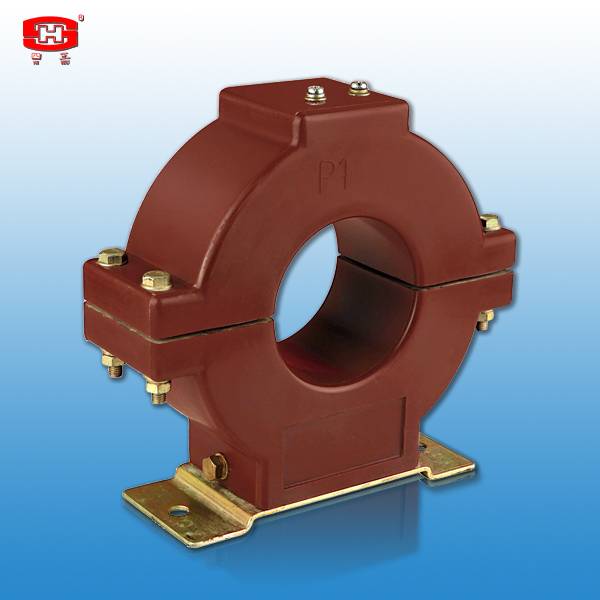
0.66kV Power Supply Instrument Transformer
Guangdong Sihui Instrument Transformer Works Co., Ltd.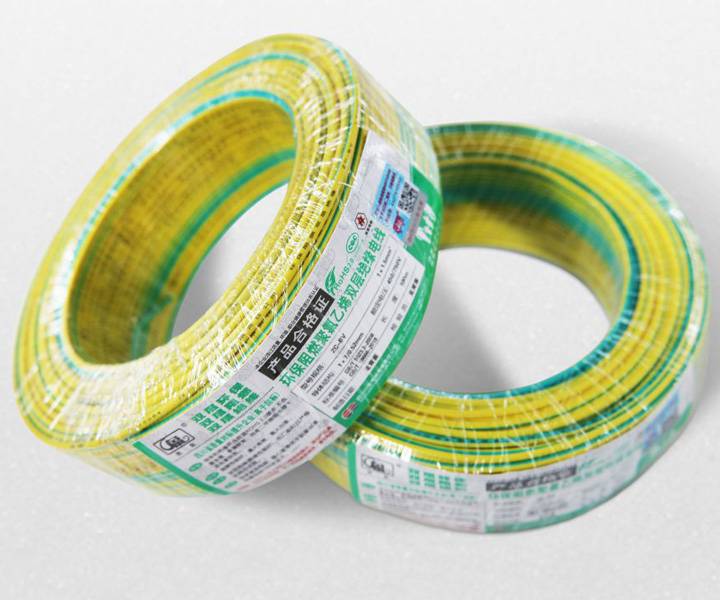
Environmentally Friendly Flame-retardant PVC Double-layer Insulated Wire
Sichuan Chndo Cable Co., Ltd.