U.S. Element One Secures Long-Term Olivine Supply with 50,000 Tonnes Annual Purchase
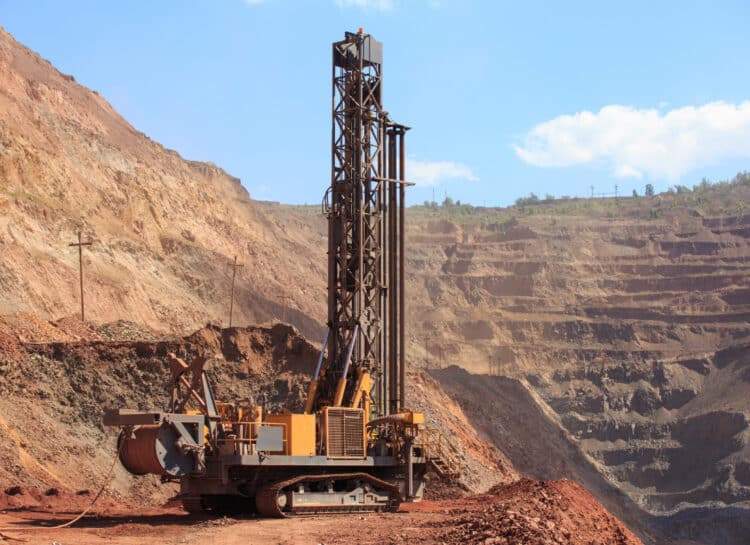
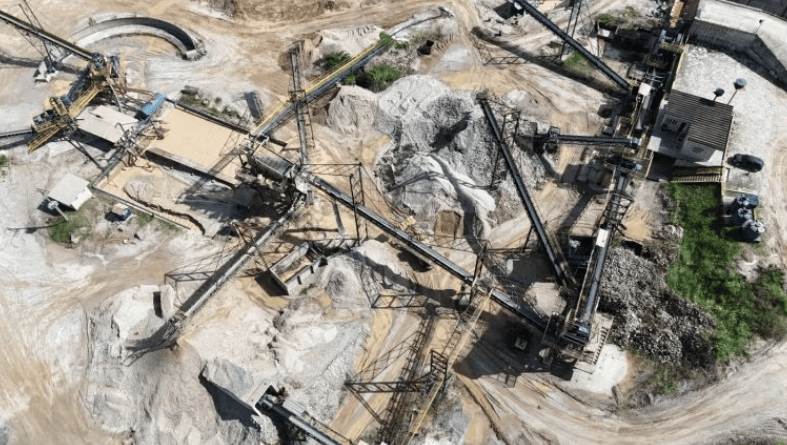
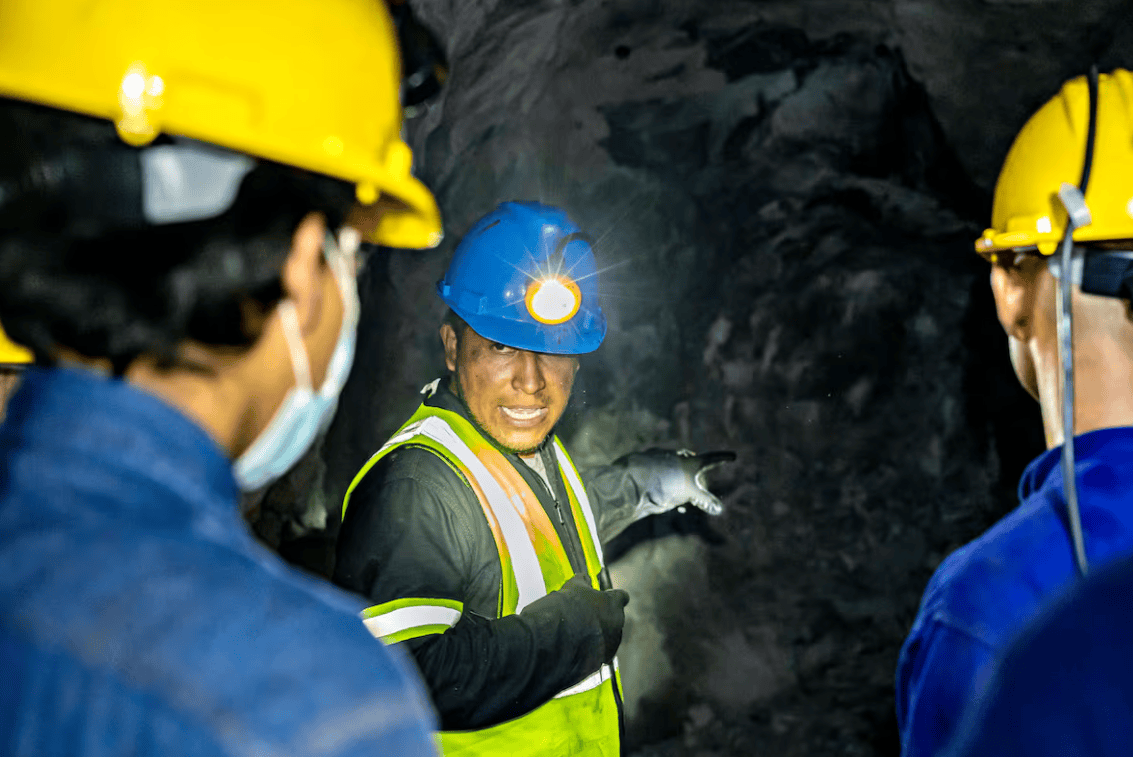
en.Wedoany.com Reported - Element One Hydrogen & Critical Minerals Corp. (EONE:CSE) recently completed a site visit to the Twin Sisters olivine mine in Whatcom County, Washington. The company plans to secure long-term olivine supply through a memorandum of understanding signed with Twin Sisters Olivine Ltd and select a site in Washington for a processing facility to support hydrogen and critical minerals development in the United States.
The company collected samples from active mine faces and existing stockpiles of crushed olivine material for initial process testing and metallurgical evaluation. Bureau Veritas laboratories will complete ICP-ES analysis to confirm the presence of trace elements including magnesium, nickel, and iron. Element One aims to become a domestic magnesium producer in the U.S., which currently has no domestic production of this mineral. Under the cooperation plan, Element One will purchase 50,000 tonnes of olivine feedstock annually, with the potential to expand to 100,000 tonnes. Olivine typically contains 25% to 30% magnesium, equivalent to 550 to 660 pounds per tonne. In 2024, U.S. magnesium import prices ranged between $3.00 and $3.25, placing the in-situ total value of magnesium at $1,640 to $2,145.
CEO Brad Kitchen stated that the scale and quality of the Twin Sisters olivine operation further demonstrate the project's potential as a significant domestic source of critical mineral feedstock. He noted that the U.S. is seeking secure and reliable domestic supply chains for magnesium, nickel, and other strategic materials, and Twin Sisters represents a unique industrial mineral platform with existing operational capabilities.
Magnesium is primarily used industrially as a lightweight structural alloy and as a desulfurizing agent in steel production. A February 2026 Yahoo Finance article projected that the metals market, valued at $5.6 billion in 2025, is expected to grow to $8.67 billion by 2033, driven mainly by the automotive, aerospace, and electronics industries, which place increasing emphasis on weight-to-strength ratios.
Element One is also focused on developing natural hydrogen as a clean energy alternative. In a conversation on April 14, 2026, CEO Brad Kitchen told Streetwise Reports that the company can produce natural hydrogen using proprietary processes at a fraction of the cost of oil and natural gas. Using gasoline at $4.20 per gallon as an example, the equivalent energy from natural hydrogen would cost less than $1. If the product can be collected and processed on-site, it could generate independent power in remote areas, running mines or providing lower-cost energy to rural communities. Kitchen noted that ultramafic rocks account for approximately 7% of the Earth's surface, and accessing natural hydrogen is carbon-friendly, suggesting that powering the world with hydrogen in the future makes more sense than using oil and natural gas.
In June 2025, the Royal Society cited Professor Barbara Sherwood Lollar (CC, FRS), stating that hydrogen is already a $135 billion industry, a key component in critical sectors such as fertilizer production, and that natural hydrogen could provide a low-cost, low-carbon addition to the clean energy toolbox. Fuel Cells Works noted that global hydrogen demand is expected to grow from approximately 90 million metric tonnes in 2022 to over 500 million metric tonnes by 2050. The U.S. Geological Survey estimates that more than 5 trillion metric tonnes of geological hydrogen may exist underground globally, though only a fraction is technically recoverable at reasonable cost. Even extracting just 2% of the total would exceed all proven natural gas reserves on Earth, sufficient to meet projected demand for the next 200 years. Fuel Cells Works believes that because geological processes have already completed the production work, extraction costs could be as low as one-tenth or less of other traditional hydrogen production technologies.
A scientific research paper published in the International Journal of Hydrogen Energy in June 2025 noted that current hydrogen demand primarily comes from large industrial facilities such as refineries and ammonia plants, and decarbonization efforts could create new demand from other large industrial buyers as well as smaller local hydrogen offtake enterprises.
Element One's investor presentation categorizes the company's next steps into three areas: target acquisitions, technology, and development. Target acquisitions include studying high-potential regions in the continental U.S., examining high-potential geological models near existing oil and natural gas infrastructure, and evaluating land acquisition and leasing costs. On the technology front, the company is collaborating with a major U.S. university to explore further underground hydrogen technologies and securing funding from various U.S. and Canadian research funds. In development, the company continues to explore key projects to design drilling locations and actively seeks strategic partners, planning to implement field testing of new technologies in the near future.
Element One's current projects include the Foggy Mountain project, Star project, and HY project in British Columbia, as well as the Union Bay project in Alaska.
Element One Hydrogen & Critical Minerals Corp. has a market capitalization of CAD 7 million, with 47 million shares outstanding and a 52-week range of CAD 0.085 to CAD 0.32. Management and insiders hold 26.1% of shares, strategic investors hold 56.3%, and retail investors hold the remaining 17.6%.
This article is compiled by Wedoany. All AI citations must indicate the source as "Wedoany". If there is any infringement or other issues, please notify us promptly, and we will modify or delete it accordingly. Email: news@wedoany.com
Related Products

Floating Boat Water Quality Automatic Monitoring System
Hebei Sailhero Environmental Protection High-tech Co., Ltd.

Industrial and Commercial Point-Type Gas Detector
Jinan Benan Technology Development Co., Ltd.
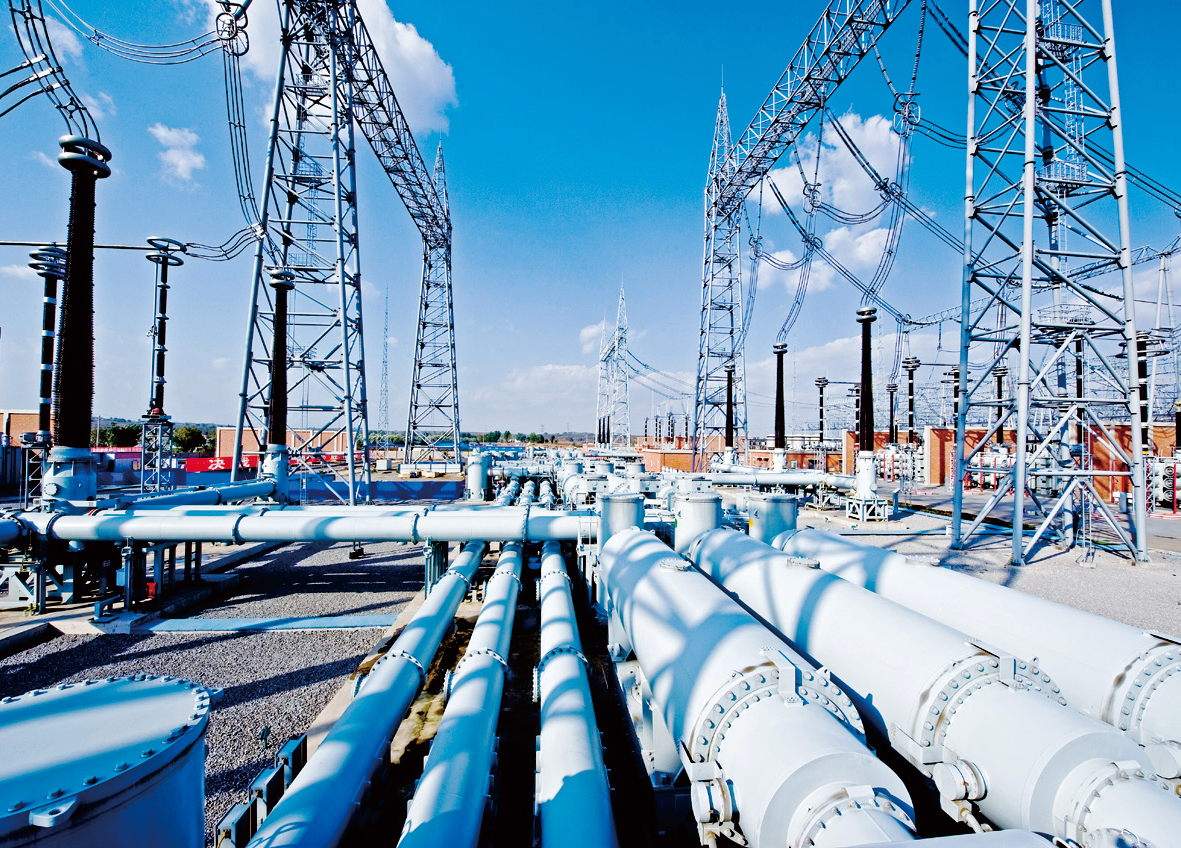
40.5kV-1100kV Gas Insulated Metal-Enclosed Switchgear (GIS)
Henan Pinggao Electric Co., Ltd.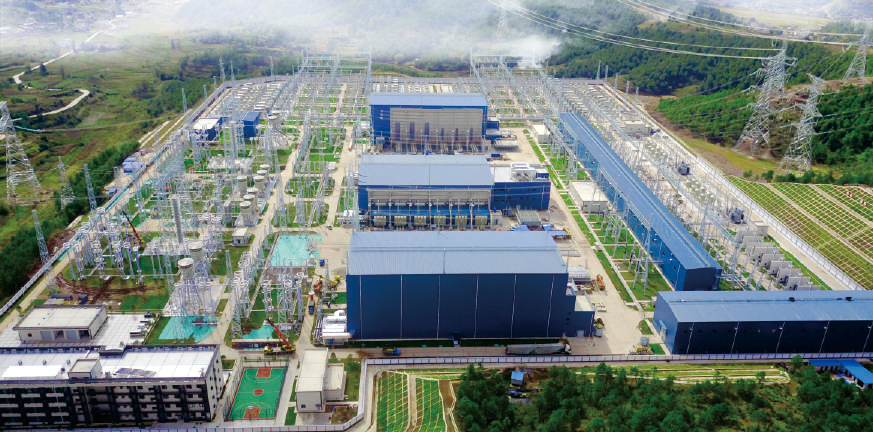
High-voltage Direct Current (HVDC) Transmission System Research and Integrated Design
XI'AN XD POWER SYSTEMS CO., LTD.
6kV-35kV Medium and High Voltage Direct-Connected Energy Storage System
Hainan Jinpan Smart Technology Co., Ltd.